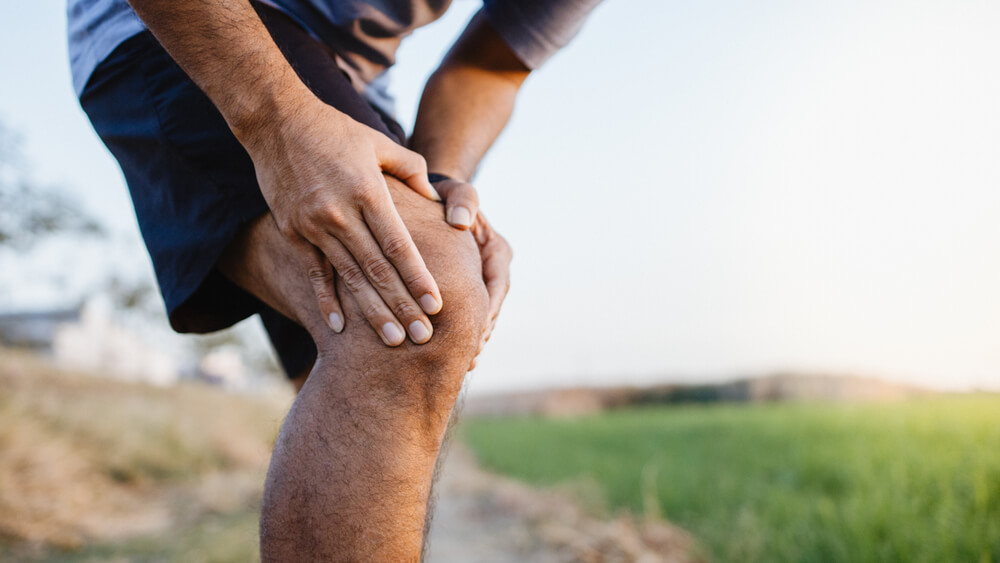
Are you living with Arthritis? Well, you are not alone. Arthritis is a condition that affects millions of people worldwide. In fact, according to stats by the CDC, Arthritis affects about 21.2% of adults in the US and is the leading cause of work disability. Living with arthritis can indeed be challenging, and the pain associated with the condition can have a significant impact on various aspects of your life.
While there is no cure for arthritis, there are various strategies and lifestyle changes that can help you manage its symptoms and improve your quality of life. This article sheds light on some of the practical tips to help you effectively manage arthritis pain and enhance your overall well-being.
Maintain a Healthy Weight
For starters, any excess weight places added stress on joints, particularly in weight-bearing areas like hips, knees, and spine, exacerbating pain and inflammation associated with arthritis. You should thus do your best to attain and sustain a healthy weight to help reduce strain on joints leading to diminished pain levels.
Make sure your diet is also well-balanced. Eat a diet rich in fruits, vegetables, whole grains, and lean proteins to aid in weight management and provide essential nutrients that support joint health.
Stay Physically Active
Engaging in regular exercise and physical activity like swimming, walking, cycling, and yoga is another proven way to improve joint function and reduce stiffness. Physical activity boosts flexibility and range of motion, enhancing joint mobility and reducing the risk of further deterioration. Additionally, exercise releases endorphins, natural painkillers that can alleviate discomfort associated with arthritis.
Tip: Consult with your healthcare professional or a physical therapist to develop an exercise routine tailored to your specific condition and abilities.
Consider Medications and Treatment Options
Medications and therapies can help you manage arthritis pain by addressing symptoms.
You can use the practical tips to effectively manage arthritis pain, improve your joint function, and enhance your overall quality of life.
There are also modern state-of-the-art clinical procedures that can help restore your joints to optimal performance and significantly alleviate joint pains. For example, a knee replacement surgery can help alleviate the pain, improve your mobility, and enhance the overall quality of your life. This surgery removes the damaged portions of the joint, replacing them with artificial components. This can provide relief from chronic pain, particularly if you are suffering from severe arthritis
Use Joint Protection Techniques
Joint protection techniques involve adopting strategies to minimize stress on joints affected by arthritis to aid in pain management. These techniques include using larger or stronger joints for tasks, distributing weight evenly, and employing assistive devices or tools. Use ergonomic tools and assistive devices like jar openers, supportive footwear, or cushioned grips to minimize stress on joints.
Implement proper body mechanics, such as lifting with your legs instead of your back, to prevent additional joint damage. The proactive measures promote joint health, enhance mobility, and mitigate discomfort experienced due to arthritis.
Manage Stress
Stress can also exacerbate arthritis symptoms, leading to increased pain and discomfort. You should thus do your best to manage this. You can use stress management techniques such as meditation, deep breathing exercises, yoga, or mindfulness to lower your stress hormones like cortisol, which, when elevated, contribute to increased inflammation and pain.
Other than these, stress management will promote relaxation, which can ease muscle tension. This will enhance joint flexibility, and potentially decrease the perception of pain. You will reduce inflammation plus you are bound to improve pain tolerance, something which will improve the quality of your life.
Use Hot and Cold Therapies
Applying heat or cold packs to affected joints can provide temporary relief from arthritis pain and inflammation.
You can use warm baths, heating pads, or warm towels to help relax muscles and ease stiffness. The same applies to cold packs or ice wrapped in a cloth can reduce swelling and numb pain. You could even alternate between hot and cold therapies as needed, following your doctor’s recommendations.
Stay Informed and Seek Support
Last but not least, staying informed about arthritis empowers you to make informed choices about your health. Understanding the condition, its triggers, available treatments, and lifestyle adjustments allows you to develop a personalized pain management plan.
Knowledge about suitable exercises, joint protection techniques, and dietary changes can alleviate your symptoms. Don’t hesitate to seek support from healthcare professionals, support groups, or families to get emotional assistance and practical advice.
After all, sharing experiences and tips with peers can provide valuable emotional support and practical advice.
Wrapping up
While arthritis is a chronic condition with no cure, it can be effectively managed with a combination of medical treatments, lifestyle adjustments, and self-care strategies. The goal of arthritis management is to reduce symptoms, improve joint function, and enhance overall quality of life. You can use the practical tips to effectively manage arthritis pain, improve your joint function, and enhance your overall quality of life. Make sure you also consult with the right healthcare professionals for personalized advice and guidance tailored to your situation.
Did you find this helpful? Check out our other helpful articles on our website.
Read Also
- Top Trends Shaping the Future of Mental Health Care
 Mental health care is moving fast to meet daily human needs. People want direct care that fits modern life. Clinics respond by creating flexible options that make healing easier to reach. Providers look past rigid habits to give people solid care. From smart tools to body wellness, these changes help people find relief when life… Read more: Top Trends Shaping the Future of Mental Health Care
 - Full-Arch Dental Tourism: Why UK Patients With Severe Bone Loss Are Looking AbroadDental implants have become one of the fastest-growing segments of private dentistry. Within that market, one patient group behaves very differently from the rest: people who have been told they do not have enough upper jawbone for conventional implants. For these patients, the choice is rarely between one clinic and another. It is between a… Read more: Full-Arch Dental Tourism: Why UK Patients With Severe Bone Loss Are Looking Abroad
- Levels of Mental Health Care and When to Seek SupportMental health care can range from occasional outpatient appointments to 24-hour hospital treatment. The appropriate level depends on safety, symptom severity, daily functioning, medical needs, available support, treatment history and personal preferences. A licensed clinician should assess these factors rather than relying on a symptom list alone. Need help now? In the United States, call… Read more: Levels of Mental Health Care and When to Seek Support
- How to Choose a Shilajit Brand Based on the ResearchIn a randomized trial published in the Journal of the International Society of Sports Nutrition in 2019, 63 active men took 250 mg of standardized shilajit, 500 mg, or a placebo every day for eight weeks, and the benefit for strength retention after a fatiguing workout appeared only at 500 mg. For anyone choosing a… Read more: How to Choose a Shilajit Brand Based on the Research
- How to Incorporate Relaxation into Your Busy ScheduleFinding balance when you have a packed daily agenda often feels out of reach. Between work duties, family obligations, and personal projects, personal rest usually gets pushed to the bottom of the list. Small, intentional shifts in daily habits can help restore calm without requiring hours of extra free time. Continue reading to discover everything… Read more: How to Incorporate Relaxation into Your Busy Schedule
- Red Light Therapy for Skin and Wellness: Meet Vital Red Light TherapyModern wellness is not always about complicated treatments or long routines. Many people are now looking for simple, convenient ways to support their skin, recovery, and overall wellness at home. One technology getting more attention is red light therapy. Red light therapy uses specific wavelengths of red and near-infrared light to support the body’s natural… Read more: Red Light Therapy for Skin and Wellness: Meet Vital Red Light Therapy
- Managing Shock Loss After a Hair Transplant: The Financial and Clinical Imperative of Post-Op CareIn the rapidly evolving landscape of private healthcare, executive leadership within cosmetic and restorative surgery clinics faces a dual challenge: maintaining strict clinical standards while maximizing patient lifetime value (LTV) and brand advocacy. As the global medical tourism and elective procedure markets expand, clinical outcome quality alone is no longer the sole differentiator for premium… Read more: Managing Shock Loss After a Hair Transplant: The Financial and Clinical Imperative of Post-Op Care
- Transform Your Skin Health: Premier Gluta IV Therapy in DubaiThis comprehensive guide explores how modern intravenous wellness treatments can help revitalize your complexion, boost immune function, and support overall cellular health. By incorporating modern IV therapy Dubai services into a routine health regimen, individuals can achieve direct nutrient absorption for optimal results. Selecting a customized gluta IV drip Dubai treatment provides targeted antioxidant defense,… Read more: Transform Your Skin Health: Premier Gluta IV Therapy in Dubai