Healthcare shouldn’t depend on where you live. But in the U.S., it often does. If you’re in a big city, you likely have options. If you’re in a small town or an underserved neighbourhood, it’s a different story.
To fix this, more healthcare leaders are turning to a local-first approach. That means putting clinics and care where people actually are—schools, strip malls, and streets they already know. It means hiring people from those communities, not flying in outsiders. And it means listening before building.
Why Local Access Still Isn’t Equal
There are nearly 7,200 areas in the U.S. classified as Primary Care Health Professional Shortage Areas, according to the Health Resources and Services Administration. That affects over 86 million people.
In rural counties, patients often drive more than 30 minutes to see a provider. In some urban neighbourhoods, clinics are overloaded or hard to reach. In both cases, the result is the same: people delay care or skip it altogether.
These delays have consequences. The CDC reports that missed preventive care leads to higher rates of hospitalisation, unmanaged chronic illness, and emergency care use.
Local-First Means Meeting People Where They Are
Healthcare can’t just exist in hospitals and large buildings downtown. That model doesn’t work for everyone.
A local-first approach flips the script. It brings care to schools, community centres, grocery store plazas, and even employer sites. It removes barriers like transportation, long waitlists, and high costs.
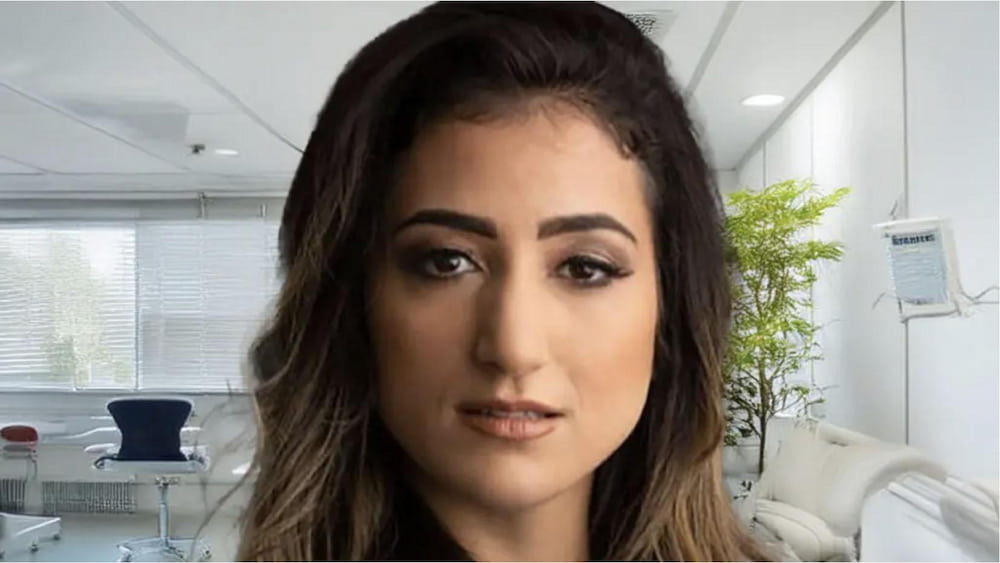
Lena Esmail, CEO of QUICKmed, has made this idea real in Ohio. She opened clinics in places where people live and work. From Liberty to Strongsville, her team has helped thousands get fast, reliable care—without driving across town.
“We opened one of our first sites in a plaza right next to a laundromat,” she said. “We wanted people to get care while doing everyday errands.”
What Makes It Work
For local-first healthcare to work, it must check three boxes: convenience, trust, and follow-through.
1. Make it Convenient
Put clinics in places that people pass by regularly. Make them walk-in friendly. Extend hours past 5 PM. Make online check-in easy. Remove paperwork hurdles.
If your clinic closes at 4:30 and only books weeks in advance, people won’t come. Care has to fit people’s lives—not the other way around.
2. Hire From the Community
People trust providers who understand them. That goes beyond language—it includes shared experience, culture, and familiarity.
Hiring local staff also creates jobs, keeps dollars in the area, and gives patients a reason to return.
3. Stick Around
One-time pop-up clinics help, but they’re not enough. Patients need ongoing relationships. Local-first clinics should offer regular care, chronic condition management, and preventive services.
A strong clinic becomes a go-to resource—not just a backup when things go wrong.
School-Based Care as a Game Changer
Some of the best local-first models are in schools. When kids can see a provider without leaving campus, attendance improves. Parents don’t have to miss work. Minor issues like asthma, injuries, or flu symptoms get handled early.
In schools partnered with QUICKmed, Esmail’s team has seen stronger student outcomes and fewer ER visits.
“In one district, we caught a case of strep that could’ve spread fast. We treated the student the same day, right in the school,” she shared. “The parent was shocked they didn’t need to leave work.”
School clinics also help with vaccine access, sports physicals, and mental health support.
Local Clinics Can Be More Than Urgent Care
Local-first doesn’t have to mean only urgent care. In fact, it works best when clinics offer primary care, chronic condition follow-up, lab work, and referrals.
The key is making these services accessible without adding layers of red tape. That means:
- Accepting walk-ins
- Offering transparent pricing
- Partnering with Medicaid and local health plans
- Providing bilingual care
Clinics can also offer telehealth backup when in-person slots fill up.
Action Steps to Support Local-First Care
Everyone can help bring healthcare closer to home. Whether you’re a school leader, employer, city planner, or patient—here’s how:
For Schools:
- Partner with nurse practitioner-led clinics
- Use unused space for exam rooms
- Offer regular hours, not just screenings
For Employers:
- Offer workplace-based clinics or partner with nearby providers
- Let staff take appointments during work hours
For Local Governments:
- Incentivise providers to open in underserved zip codes
- Fund transportation and language support for local clinics
For Community Members:
- Choose local providers when possible
- Spread the word about nearby clinics
- Ask schools or employers to bring care onsite
One Provider’s Takeaway
Lena Esmail grew up in Youngstown, Ohio. She returned to her hometown after her medical training, not to take a job—but to build something new.
“I worked at almost every place on Belmont Avenue growing up,” she says. “Now I get to bring care to the same places I used to walk past.”
Her story proves that the best healthcare innovation doesn’t always need new tech or fancy buildings. Sometimes it just needs someone who knows the block, opens the door, and gets to work.
The Future of Local-First Care
As healthcare costs rise and gaps widen, local-first clinics offer a simple, proven way forward.
They serve people in the places they already go. They shorten wait times. They bring care back to basics—close, fast, human.
If we want healthier communities, this is how we start: by showing up where we’re needed most, and staying put.
Expand your knowledge and check out more posts on our blog!
Read Also
- BCBA & RBT Salary by State 2026 | Behavior Analyst Pay
 Pay in applied behavior analysis is harder to pin down than in almost any other healthcare field. Two professionals with the same certification can earn $40,000 apart for no reason other than the state line between them. So before you accept an offer, ask for a raise, or relocate for a bigger paycheck, it helps… Read more: BCBA & RBT Salary by State 2026 | Behavior Analyst Pay
 - Top Strategies for Integrating Technology into Healthcare TrainingHave you ever wondered how healthcare workers learn new skills as medicine keeps changing? Today, new tools make learning easier, faster, and more flexible for many healthcare workers. Technology in healthcare training helps people learn from almost anywhere and practice skills in safe places. These tools can make learning more fun and easier to remember.… Read more: Top Strategies for Integrating Technology into Healthcare Training
- Why the Future of Healthcare Administration is Cloud-NativeThe operational demands placed on modern healthcare administrators have officially outpaced the capabilities of traditional IT infrastructure. While clinical medicine continues to advance at breakneck speed, the back-office systems required to support it often remain painfully stagnant. Today’s insurers, Third-Party Administrators (TPAs), and provider networks are forced to navigate an avalanche of daily claims, aggressive… Read more: Why the Future of Healthcare Administration is Cloud-Native
- The Digital Overhaul: Why Modern Healthcare Administration Demands Advanced Technology SolutionsLet’s be honest about the current state of healthcare administration: it is staggering under its own complexity. The days of managing patient populations, claims, and provider networks with spreadsheets and disjointed legacy systems are long gone. Today, the sheer volume of data processing required just to keep a healthcare organization afloat is enough to paralyze… Read more: The Digital Overhaul: Why Modern Healthcare Administration Demands Advanced Technology Solutions
- The Evolution of Patient Engagement: How Pharmaceutical Support Services Are Transforming CareThe journey from receiving a complex diagnosis to successfully managing a chronic condition is rarely a straight line. For many patients, being prescribed a specialty medication or a breakthrough biologic is only the first step in a daunting process filled with administrative hurdles, financial anxiety, and clinical uncertainty. Pharmaceutical companies are increasingly realizing that simply… Read more: The Evolution of Patient Engagement: How Pharmaceutical Support Services Are Transforming Care
- 5 Best Payroll Error Detection Software for Healthcare in 2026Healthcare organizations operate some of the most complex payroll environments in any industry. Hospitals, skilled nursing facilities, rehabilitation centers, physician groups, and home healthcare providers must manage thousands of employees working across different shifts, departments, facilities, and compensation structures. Payroll teams are expected to process this information accurately while complying with labor regulations, organizational policies,… Read more: 5 Best Payroll Error Detection Software for Healthcare in 2026
- OB-GYN Ultrasound Continuing Medical Education CourseEvery day, many medical professionals use ultrasounds to provide important care to patients. In obstetrics and gynecology, ultrasound technology is vital. It helps monitor the health of mothers and their unborn children. Healthcare providers must keep enhancing their skills through ongoing education. This is especially true for OB-GYN specialists. Keeping up with the latest ultrasound… Read more: OB-GYN Ultrasound Continuing Medical Education Course
- Tax Optimization Strategies for Modern Healthcare ProfessionalsTax planning is important for healthcare workers today. Many people in this field work long hours and manage many costs. Because of this, saving money on taxes can help a lot over time. Good tax optimization strategies can help professionals keep more of what they earn. These methods can also support better financial goals in… Read more: Tax Optimization Strategies for Modern Healthcare Professionals