


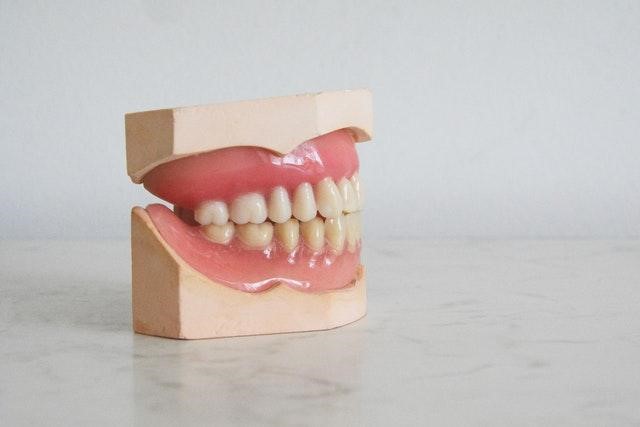
Wisdom teeth are the third molar teeth. They grow abnormally, either below or against other teeth. They don’t align with the former teeth and often have bends. They can grow behind your molars.
Wisdom teeth also appear misaligned or sideways, causing a dental issue referred to as overcrowding. There are numerous reasons why you should remove your wisdom tooth. Dentists advise you to extract them rather than treat them.
When Do You Need Wisdom Teeth Removal?
When wisdom teeth start growing, you will notice specific symptoms that signify that you need to extract them soon. These symptoms are:
- Impacted
Wisdom teeth are often impacted. They can cause severe oral problems like producing cysts, a bacteria-based fluid. This fluid can affect other teeth close to the wisdom teeth and the teeth tissues.
If you check out this dentist in Kiln Creek, they’ll also tell you that an impacted wisdom tooth can cause misalignment or crowding.
- Infection
The growth of wisdom teeth can result in frequent tooth pain, redness of tissues and swelling of the jaw bone. People report instances of jaw stiffness too. This infection can enter your entire body system via your bloodstream, resulting in other health problems.
- Bad Breath
The growth of wisdom teeth results in overcrowding of the mouth. This, in turn, makes it difficult for you to properly floss and brush your teeth, resulting in the accumulation of bacteria that causes bad breath.
- Difficult to Clean
When it becomes difficult to clean and access your third molars, bacteria build-up, which causes a cavity, these bacteria may affect the other teeth and cause severe oral problems.
Read Also
- How to Incorporate Relaxation into Your Busy Schedule
 Finding balance when you have a packed daily agenda often feels out of reach. Between work duties, family obligations, and personal projects, personal rest usually gets pushed to the bottom of the list. Small, intentional shifts in daily habits can… Read more: How to Incorporate Relaxation into Your Busy Schedule
 - Red Light Therapy for Skin and Wellness: Meet Vital Red Light TherapyModern wellness is not always about complicated treatments or long routines. Many people are now looking for simple, convenient ways to support their skin, recovery, and overall wellness at home. One technology getting more attention is red light therapy. Red… Read more: Red Light Therapy for Skin and Wellness: Meet Vital Red Light Therapy
- Managing Shock Loss After a Hair Transplant: The Financial and Clinical Imperative of Post-Op CareIn the rapidly evolving landscape of private healthcare, executive leadership within cosmetic and restorative surgery clinics faces a dual challenge: maintaining strict clinical standards while maximizing patient lifetime value (LTV) and brand advocacy. As the global medical tourism and elective… Read more: Managing Shock Loss After a Hair Transplant: The Financial and Clinical Imperative of Post-Op Care
- Transform Your Skin Health: Premier Gluta IV Therapy in DubaiThis comprehensive guide explores how modern intravenous wellness treatments can help revitalize your complexion, boost immune function, and support overall cellular health. By incorporating modern IV therapy Dubai services into a routine health regimen, individuals can achieve direct nutrient absorption… Read more: Transform Your Skin Health: Premier Gluta IV Therapy in Dubai
- The Evolution of Dental Prosthetics: Innovation in Oral HealthDental replacements have improved a lot over time. Smiling, chewing, and speaking depend on having healthy teeth. When teeth break or go missing, today’s options can restore both function and confidence. Modern techniques make these replacements feel and look completely… Read more: The Evolution of Dental Prosthetics: Innovation in Oral Health




Why You Need to Remove Your Wisdom Teeth Earlier
The early removal of your wisdom teeth can prevent general illness and improve oral health. When the teeth are impacted and are considered a threat to your overall health, your dentist will recommend the removal of the teeth. Their removal also prevents damage to the jawbones and nerves. Because wisdom teeth grow below the gum surface, the surrounding tissue may swell, gathering up fluid that contains bacteria, and these bacteria can affect the other teeth.
To avoid tumors that will require surgery, you need to remove the impacted teeth. Remove all partially erupted teeth before they become crooked or crowd out other teeth. Sometimes, you will experience complications like problems in the roots of other teeth entangled with the wisdom teeth roots as they grow.
It is generally more difficult to remove an adult’s teeth because the bones are now stronger and harder than those of a teenager or child. So, if you remove your wisdom teeth early, you will make your dentist’s work easier. Sometimes, your wisdom teeth won’t hurt, but because they don’t hurt does not mean that all is well. However, in all cases, you need to consult your dentist; he knows better and will be able to decide what to do with your wisdom teeth early to avoid future dental problems.
