Hearing loss is a common issue with potentially serious implications, yet it is often treated as a minor problem.
From a holistic perspective, however, addressing hearing loss through a comprehensive approach is essential for long-term health and well-being.
Research suggests that untreated hearing loss can have a considerable impact on physical and mental health, financial resources, and overall quality of life. Finding the right approach to hearing loss management can make a big difference in improving overall wellness.
This blog post will explore the value of treating hearing loss through a comprehensive approach. We will look into the far-reaching implications of hearing loss, from physical and psychological issues to financial and overall quality of life.
We will discuss the methods available for treating hearing loss and the importance of finding the right solution. Finally, we will examine how a comprehensive approach to hearing loss treatment can help to improve overall wellness and quality of life.
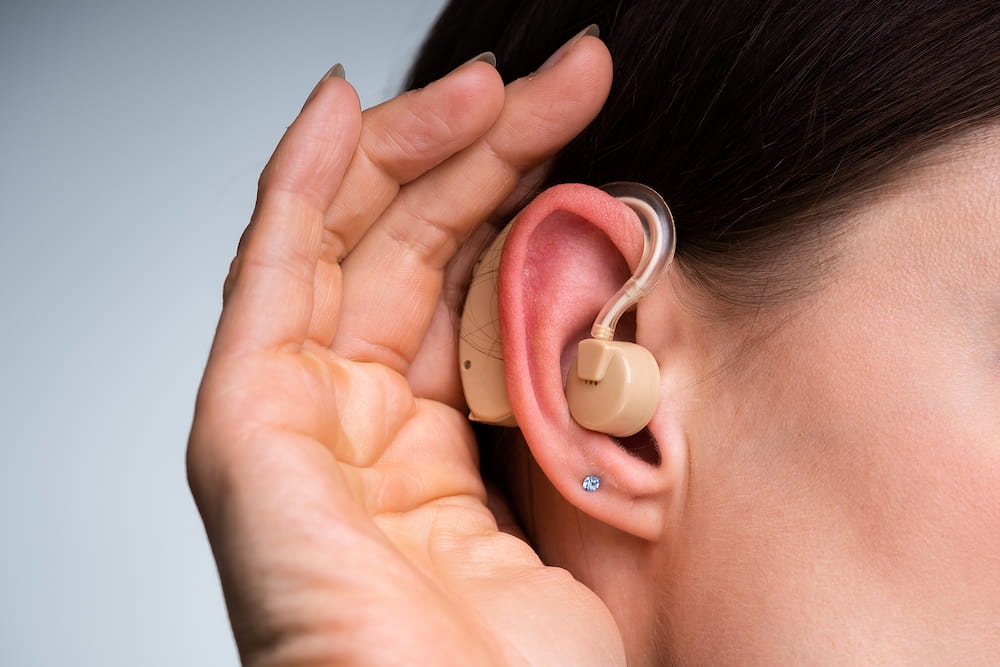
Hearing aids are electronic devices that amplify sound and are worn in or behind the ear to improve hearing ability.
Recognizing the Benefits of Improved Hearing
Recognizing the Benefits of Improved Hearing is an important step in understanding the value of treating hearing loss.
Hearing loss can have a debilitating impact on an individual’s quality of life, leading to difficulty communicating, participating in social activities, and completing daily tasks. Improved hearing can help to alleviate these issues and restore an individual’s overall well-being. Improved hearing can also help to reduce the risk of developing other health issues related to hearing loss such as anxiety, depression, and cognitive decline. By recognizing the value of treating hearing loss, individuals can take proactive steps to improve their health and overall quality of life.
Understanding the Link Between Hearing Loss and Cognitive Decline
The link between hearing loss and cognitive decline has been studied extensively over the past decade, and the research results are clear.
Studies have found that those with untreated hearing loss are more than twice as likely to develop dementia, compared to those with normal hearing. Furthermore, there is evidence that hearing loss can lead to cognitive decline even in relatively young individuals.
This highlights the importance of treating hearing loss as soon as possible, in order to prevent potential cognitive decline in the future. It is essential that patients understand the potential risks associated with untreated hearing loss, so they can make an informed decision about their care.
Analyzing the Impact of Hearing Loss on Emotional Well-being
Hearing loss can have a detrimental impact on emotional well-being. It can cause feelings of isolation, frustration and anger, and even depression.
The most important consideration when addressing hearing loss is to take a comprehensive approach to patient care.
This should include addressing not only the physical needs of the patient, but also their emotional, cognitive and social needs. By taking a holistic approach, healthcare providers can help to reduce the adverse effects of hearing loss on emotional well-being.
Exploring the Social Implications of Untreated Hearing Loss
Hearing loss is a common problem, both in the US and worldwide, affecting more than 48 million adults in the US and over 5% of the world’s population.
Untreated hearing loss can have far-reaching effects on an individual’s life, impacting their relationships, communication, and self-esteem.
For example, individuals with untreated hearing loss may find it difficult to understand conversations, leading to increased levels of isolation and a decrease in quality of life.
Untreated hearing loss also increases the risk of depression and anxiety, as well as other physical and mental health issues.
Studies have also shown that untreated hearing loss can lead to diminished job performance and lower wages. It is clear that the social implications of untreated hearing loss can be far-reaching and must be taken seriously.
Evaluating the Overall Impact of Hearing Loss on Quality of Life
Evaluating the overall impact of hearing loss on quality of life is a critical part of any holistic approach to wellness.
This evaluation should include assessing the various physical and psychological aspects of hearing loss, including the ability to communicate effectively and participate in social activities.
Hearing loss can also have an impact on cognitive functioning and emotional wellbeing due to the difficulty in processing auditory information. Additionally, hearing loss can negatively impact one’s overall quality of life by increasing social isolation, making it difficult to gain access to resources, and leading to reduced employability and income. Therefore, it is essential to consider the overall impact of hearing loss on a person’s quality of life when determining the best course of treatment.
Read Also
- Understanding Spinal Health: The Key to a Pain-Free Life
 The human spine is the main support structure of your body. It keeps you standing tall, protects your delicate spinal cord, and lets you bend, twist, and walk easily every single day. Even though your back performs hard physical work daily, spinal health is often ignored until pain starts. Back stiffness, neck soreness, and sudden… Read more: Understanding Spinal Health: The Key to a Pain-Free Life
 - The Rise of Holistic Health: Integrating Mind, Body, and SpiritFinding balance in a fast-paced world often feels like a constant struggle. Many people spend years chasing quick fixes for their energy levels or mood swings, only to end up back at square one. Real wellness happens when every piece of your daily routine aligns. Focusing on the complete picture changes everything. Holistic health centers… Read more: The Rise of Holistic Health: Integrating Mind, Body, and Spirit
- Whitening, Bonding or Veneers? Matching the Right Cosmetic Treatment to Your SmilePeople rarely walk into a consultation asking for a specific procedure. They walk in with a complaint. My teeth look yellow in photos. There is a chip in my front tooth. One tooth sits behind the others. The job of a good cosmetic consult is translating that complaint into the least invasive treatment that actually… Read more: Whitening, Bonding or Veneers? Matching the Right Cosmetic Treatment to Your Smile
- Hair Transplant vs Non-Surgical Hair Restoration: How Clinics Decide the Right ApproachHair loss treatment is no longer limited to choosing between medication and surgery. Modern hair restoration clinics offer several options, including medical treatment, platelet-based procedures, laser therapy, scalp treatments and hair transplantation. Having more options can be helpful, but it can also make the decision confusing. A person with early thinning may assume that a… Read more: Hair Transplant vs Non-Surgical Hair Restoration: How Clinics Decide the Right Approach
- The Role of Prosthodontics in Modern Restorative DentistryRestorative dentistry brings together patient care and smart office management. Dental offices today face more requests for full-mouth fixes and cosmetic work. Adding advanced repair skills helps teams handle tough cases with more success. Dental groups that build these skills can offer more to their patients. This shift grows skills and keeps patients coming back.… Read more: The Role of Prosthodontics in Modern Restorative Dentistry