


Hearing loss is a common issue with potentially serious implications, yet it is often treated as a minor problem.
From a holistic perspective, however, addressing hearing loss through a comprehensive approach is essential for long-term health and well-being.
Research suggests that untreated hearing loss can have a considerable impact on physical and mental health, financial resources, and overall quality of life. Finding the right approach to hearing loss management can make a big difference in improving overall wellness.
This blog post will explore the value of treating hearing loss through a comprehensive approach. We will look into the far-reaching implications of hearing loss, from physical and psychological issues to financial and overall quality of life.
We will discuss the methods available for treating hearing loss and the importance of finding the right solution. Finally, we will examine how a comprehensive approach to hearing loss treatment can help to improve overall wellness and quality of life.
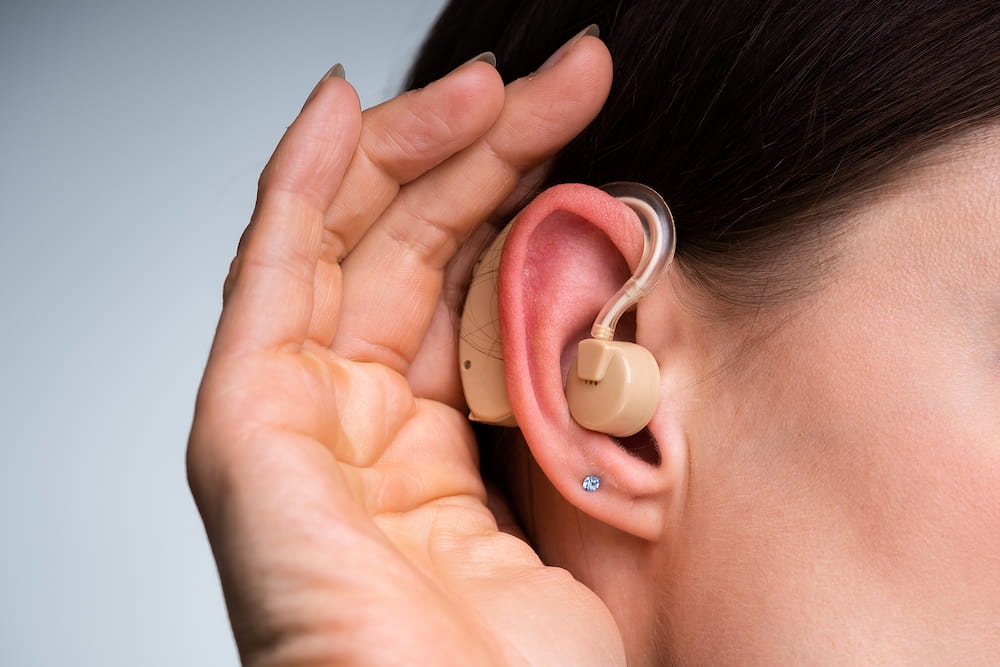
Hearing aids are electronic devices that amplify sound and are worn in or behind the ear to improve hearing ability.
Recognizing the Benefits of Improved Hearing
Recognizing the Benefits of Improved Hearing is an important step in understanding the value of treating hearing loss.
Hearing loss can have a debilitating impact on an individual’s quality of life, leading to difficulty communicating, participating in social activities, and completing daily tasks. Improved hearing can help to alleviate these issues and restore an individual’s overall well-being. Improved hearing can also help to reduce the risk of developing other health issues related to hearing loss such as anxiety, depression, and cognitive decline. By recognizing the value of treating hearing loss, individuals can take proactive steps to improve their health and overall quality of life.
Understanding the Link Between Hearing Loss and Cognitive Decline
The link between hearing loss and cognitive decline has been studied extensively over the past decade, and the research results are clear.
Studies have found that those with untreated hearing loss are more than twice as likely to develop dementia, compared to those with normal hearing. Furthermore, there is evidence that hearing loss can lead to cognitive decline even in relatively young individuals.
This highlights the importance of treating hearing loss as soon as possible, in order to prevent potential cognitive decline in the future. It is essential that patients understand the potential risks associated with untreated hearing loss, so they can make an informed decision about their care.
Analyzing the Impact of Hearing Loss on Emotional Well-being
Hearing loss can have a detrimental impact on emotional well-being. It can cause feelings of isolation, frustration and anger, and even depression.
The most important consideration when addressing hearing loss is to take a comprehensive approach to patient care.
This should include addressing not only the physical needs of the patient, but also their emotional, cognitive and social needs. By taking a holistic approach, healthcare providers can help to reduce the adverse effects of hearing loss on emotional well-being.
Exploring the Social Implications of Untreated Hearing Loss
Hearing loss is a common problem, both in the US and worldwide, affecting more than 48 million adults in the US and over 5% of the world’s population.
Untreated hearing loss can have far-reaching effects on an individual’s life, impacting their relationships, communication, and self-esteem.
For example, individuals with untreated hearing loss may find it difficult to understand conversations, leading to increased levels of isolation and a decrease in quality of life.
Untreated hearing loss also increases the risk of depression and anxiety, as well as other physical and mental health issues.
Studies have also shown that untreated hearing loss can lead to diminished job performance and lower wages. It is clear that the social implications of untreated hearing loss can be far-reaching and must be taken seriously.
Evaluating the Overall Impact of Hearing Loss on Quality of Life
Evaluating the overall impact of hearing loss on quality of life is a critical part of any holistic approach to wellness.
This evaluation should include assessing the various physical and psychological aspects of hearing loss, including the ability to communicate effectively and participate in social activities.
Hearing loss can also have an impact on cognitive functioning and emotional wellbeing due to the difficulty in processing auditory information. Additionally, hearing loss can negatively impact one’s overall quality of life by increasing social isolation, making it difficult to gain access to resources, and leading to reduced employability and income. Therefore, it is essential to consider the overall impact of hearing loss on a person’s quality of life when determining the best course of treatment.
Read Also
- Full-Arch Dental Tourism: Why UK Patients With Severe Bone Loss Are Looking Abroad
 Dental implants have become one of the fastest-growing segments of private dentistry. Within that market, one patient group behaves very differently from the rest: people who have been told they do not have enough upper jawbone for conventional implants. For these patients, the choice is rarely between one clinic and another. It is between a… Read more: Full-Arch Dental Tourism: Why UK Patients With Severe Bone Loss Are Looking Abroad
 - Levels of Mental Health Care and When to Seek SupportMental health care can range from occasional outpatient appointments to 24-hour hospital treatment. The appropriate level depends on safety, symptom severity, daily functioning, medical needs, available support, treatment history and personal preferences. A licensed clinician should assess these factors rather than relying on a symptom list alone. Need help now? In the United States, call… Read more: Levels of Mental Health Care and When to Seek Support
- How to Choose a Shilajit Brand Based on the ResearchIn a randomized trial published in the Journal of the International Society of Sports Nutrition in 2019, 63 active men took 250 mg of standardized shilajit, 500 mg, or a placebo every day for eight weeks, and the benefit for strength retention after a fatiguing workout appeared only at 500 mg. For anyone choosing a… Read more: How to Choose a Shilajit Brand Based on the Research
- How to Incorporate Relaxation into Your Busy ScheduleFinding balance when you have a packed daily agenda often feels out of reach. Between work duties, family obligations, and personal projects, personal rest usually gets pushed to the bottom of the list. Small, intentional shifts in daily habits can help restore calm without requiring hours of extra free time. Continue reading to discover everything… Read more: How to Incorporate Relaxation into Your Busy Schedule
- Red Light Therapy for Skin and Wellness: Meet Vital Red Light TherapyModern wellness is not always about complicated treatments or long routines. Many people are now looking for simple, convenient ways to support their skin, recovery, and overall wellness at home. One technology getting more attention is red light therapy. Red light therapy uses specific wavelengths of red and near-infrared light to support the body’s natural… Read more: Red Light Therapy for Skin and Wellness: Meet Vital Red Light Therapy





