Obstructive Sleep Apnea (OSA) is a common but dangerous sleep disease that has received a lot of attention in recent years owing to its possible effects on general health. One of the most worrying elements of OSA is its potential link to brain damage. This article investigates how OSA may cause brain damage, the processes behind this relationship, and the significance of early detection and treatment.
What is obstructive sleep apnea?
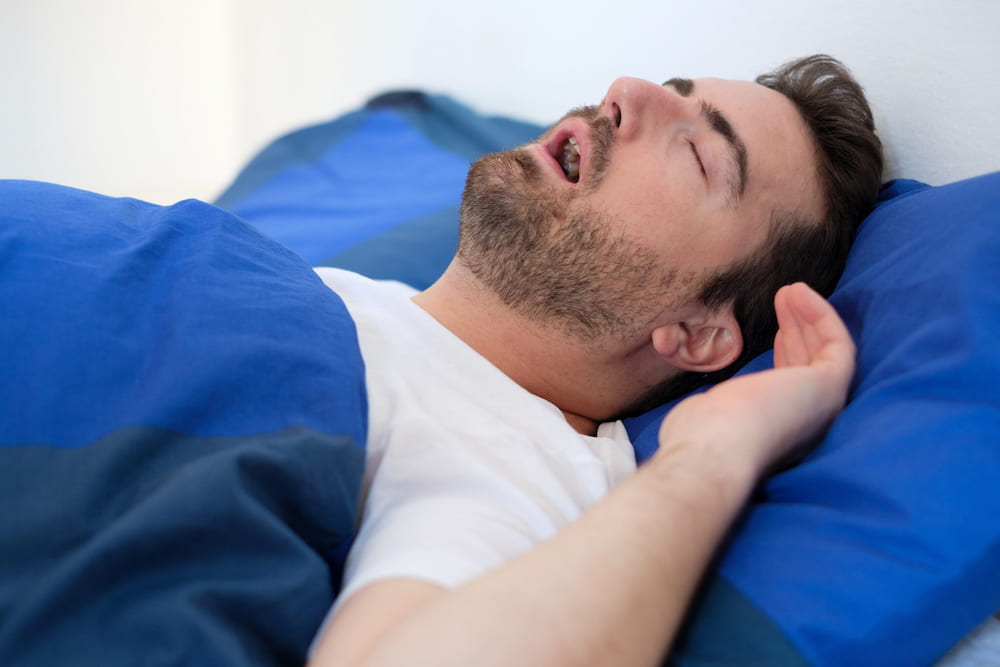
OSA is defined as recurring bouts of partial or total upper airway blockage during sleeping. These episodes often result in limited or complete airflow, which disrupts sleep and lowers blood oxygen levels. OSA symptoms include loud snoring, choking or gasping during sleep, daytime lethargy, and weariness.
The Link Between OSA and Brain Damage
Recent investigations have shown that OSA and brain damage have the potential to cause substantial brain damage. Repeated periods of oxygen deprivation followed by reoxygenation may harm brain cells and general brain function. This damage is largely due to the following processes.
Hypoxia and Oxidative Stress
During an apnea episode, the brain is stressed due to a lack of oxygen. When regular breathing resumes the abrupt rush of oxygen might cause oxidative stress. Oxidative stress is defined as the damage produced by free radicals which are highly reactive chemicals that may harm brain cells. Repeated bouts of hypoxia and oxidative stress may cause lasting brain damage.
Inflammation
OSA is linked to chronic inflammation which may have a direct effect on the brain Inflammatory chemicals may pass the blood-brain barrier resulting in neuroinflammation. This persistent inflammation may interfere with normal brain function contributing to cognitive decline and other neurological disorders.
Changes in Brain Structure
Imaging studies have shown that people suffering from OSA often have structural alterations in their brains. These alterations include decreased gray matter volume in regions that control cognition memory executive function. These anatomical alterations are suggestive of brain injury and may have an impact on a person’s mental ability.
Cognitive impairment and OSA
One of the most alarming effects of the OSA-brain damage link is cognitive impairment. Untreated OSA patients are more likely to have difficulty with memory, attention, and executive skills. These cognitive deficiencies may have a substantial influence on everyday living, reducing job performance, decision-making ability, and general quality of life.
Memory problems
Individuals with OSA often complain of memory difficulties. According to studies, both short-term and long-term memory might be impaired. The hippocampus, a brain area critical for memory formation, is especially sensitive to OSA-induced hypoxia and oxidative stress.
Attention and concentration
OSA may also disrupt attention and focus. Individuals who have regular sleep interruptions and subsequent daytime tiredness may struggle to concentrate on activities. This may reduce productivity and increase the risk of accidents, especially in circumstances that need prolonged concentration, such as driving.
Executive Function
Executive function involves a variety of cognitive activities, such as planning, decision-making problem-solving. OSA has been associated with deficits in several areas making it difficult for people to handle their everyday tasks and duties successfully.
Emotional and psychological impacts
In addition to cognitive problems, OSA and the accompanying brain damage may have severe emotional and psychological consequences. People who have OSA are more likely to experience depression and anxiety. Chronic tiredness and cognitive impairments associated with OSA may exacerbate these mood disorders negatively harming general well-being.
The significance of early diagnosis and treatment
Given the significant effects of OSA on brain function early detection and treatment are critical. Various viable OSA therapies may reduce the risk of brain damage while also improving overall health.
Continuous positive airway pressure (CPAP) therapy
CPAP therapy is the most popular and effective treatment for OSA. It entails wearing a mask attached to a machine that provides a constant stream of air, keeping the airway open while sleeping. CPAP treatment has been demonstrated to minimize apnea episodes increase sleep quality and lessen the risk of cognitive impairment and brain damage.
Lifestyle Changes
In addition to CPAP treatment, lifestyle adjustments may aid in the management of OSA. These include losing weight, exercising regularly, and staying away from alcohol and sedatives which may aggravate airway congestion. Positional treatment which entails sleeping in a posture that lowers airway obstruction, may also be effective for certain people.
Surgical options
Individuals who do not react to CPAP or lifestyle adjustments may seek surgical treatments. Procedures like uvulopalatopharyngoplasty (UPPP) and maxillomandibular advancement (MMA) may assist in opening up the airway and minimizing blockage.
Conclusion
The medical world is becoming more concerned about the relationship between OSA and brain damage. Understanding the processes behind this link emphasizes the need for early detection and successful treatment. Individuals who treat OSA quickly may greatly lower their risk of cognitive impairment and other long-term repercussions thereby increasing their quality of life and general health.
Did you find this helpful? Check out our other helpful articles on our website.
Read Also
- Levels of Mental Health Care and When to Seek Support
 Mental health care can range from occasional outpatient appointments to 24-hour hospital treatment. The appropriate level depends on safety, symptom severity, daily functioning, medical needs, available support, treatment history and personal preferences. A licensed clinician should assess these factors rather than relying on a symptom list alone. Need help now? In the United States, call… Read more: Levels of Mental Health Care and When to Seek Support
 - How to Choose a Shilajit Brand Based on the ResearchIn a randomized trial published in the Journal of the International Society of Sports Nutrition in 2019, 63 active men took 250 mg of standardized shilajit, 500 mg, or a placebo every day for eight weeks, and the benefit for strength retention after a fatiguing workout appeared only at 500 mg. For anyone choosing a… Read more: How to Choose a Shilajit Brand Based on the Research
- How to Incorporate Relaxation into Your Busy ScheduleFinding balance when you have a packed daily agenda often feels out of reach. Between work duties, family obligations, and personal projects, personal rest usually gets pushed to the bottom of the list. Small, intentional shifts in daily habits can help restore calm without requiring hours of extra free time. Continue reading to discover everything… Read more: How to Incorporate Relaxation into Your Busy Schedule
- Red Light Therapy for Skin and Wellness: Meet Vital Red Light TherapyModern wellness is not always about complicated treatments or long routines. Many people are now looking for simple, convenient ways to support their skin, recovery, and overall wellness at home. One technology getting more attention is red light therapy. Red light therapy uses specific wavelengths of red and near-infrared light to support the body’s natural… Read more: Red Light Therapy for Skin and Wellness: Meet Vital Red Light Therapy
- Managing Shock Loss After a Hair Transplant: The Financial and Clinical Imperative of Post-Op CareIn the rapidly evolving landscape of private healthcare, executive leadership within cosmetic and restorative surgery clinics faces a dual challenge: maintaining strict clinical standards while maximizing patient lifetime value (LTV) and brand advocacy. As the global medical tourism and elective procedure markets expand, clinical outcome quality alone is no longer the sole differentiator for premium… Read more: Managing Shock Loss After a Hair Transplant: The Financial and Clinical Imperative of Post-Op Care
- Transform Your Skin Health: Premier Gluta IV Therapy in DubaiThis comprehensive guide explores how modern intravenous wellness treatments can help revitalize your complexion, boost immune function, and support overall cellular health. By incorporating modern IV therapy Dubai services into a routine health regimen, individuals can achieve direct nutrient absorption for optimal results. Selecting a customized gluta IV drip Dubai treatment provides targeted antioxidant defense,… Read more: Transform Your Skin Health: Premier Gluta IV Therapy in Dubai
- The Evolution of Dental Prosthetics: Innovation in Oral HealthDental replacements have improved a lot over time. Smiling, chewing, and speaking depend on having healthy teeth. When teeth break or go missing, today’s options can restore both function and confidence. Modern techniques make these replacements feel and look completely natural. Ancient Roots Of Tooth Replacement People have tried to replace lost teeth for thousands… Read more: The Evolution of Dental Prosthetics: Innovation in Oral Health
- How to Support a Loved One with Mental Health IssuesWatching someone you care about struggle with their mental health is difficult: you might feel helpless, confused, or even frustrated. You cannot cure a mental health condition with a simple conversation or a hug, no matter how much you wish you could. Your support can be the difference between them feeling isolated and feeling understood.… Read more: How to Support a Loved One with Mental Health Issues