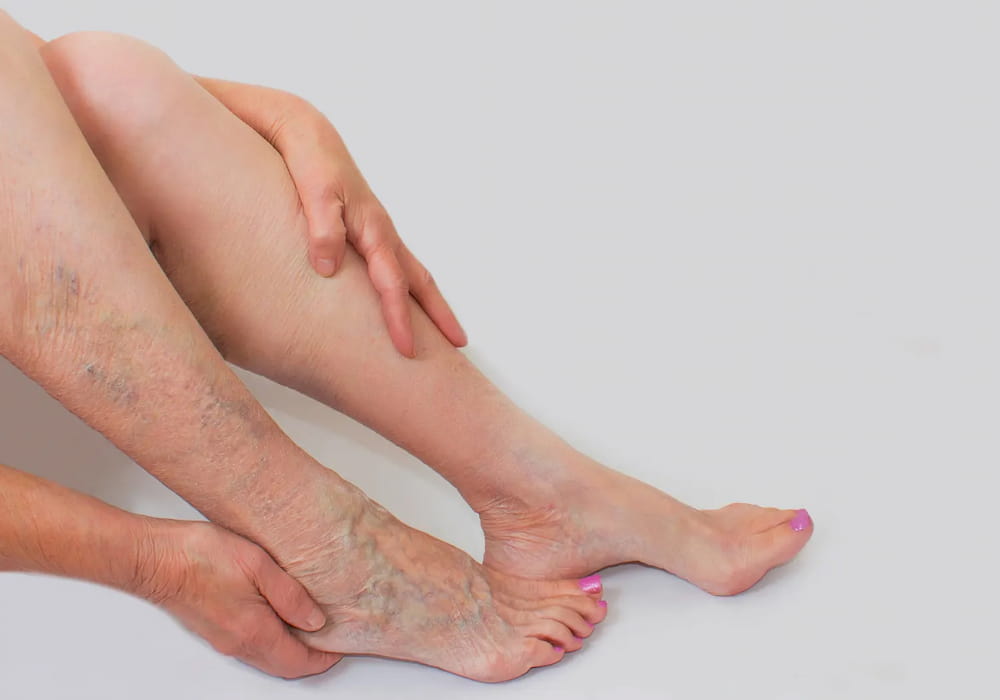
When facing issues related to venous insufficiencies such as varicose veins or spider veins, understanding the approach and benefits of seeking treatment from expert vein specialists can be invaluable. Vein conditions affect physical appearance and can lead to significant discomfort and potential health complications if left untreated.
What Are Varicose Veins and Spider Veins?
Both varicose and spider veins are conditions associated with the malfunctioning of venous valves that hinder the normal flow of blood back to the heart. Varicose veins are usually bulgy, blue, or purple veins that may appear twisted; they are often found on the legs and can cause pain and discomfort. Spider veins, while similar, are smaller and can be red, purple, or blue. Though typically less painful, they may be cosmetically unappealing.
Common Causes of Vein Problems
Vein issues may only affect specific individuals, but they can impact anyone. Here are some common triggers for vein problems:
– Genetic predisposition
– Obesity
– Pregnancy
– Extended periods of standing or sitting
– Hormonal shifts
Understanding these can help prevent vein issues or decide when to seek professional advice.
Symptoms Indicating You Should See a Specialist
Recognizing early symptoms can lead to proactive management and treatment of vein problems. Here are signs to watch for:
– Legs that feel heavy, especially after exercise or at night
– Visible enlarged veins
– Swelling in the legs and ankles
– Burning or throbbing in your legs
– Muscle cramping, tingling, or increased pain after sitting or standing
– Skin ulcers near the ankle
If these symptoms are familiar, it might be time to consult a specialist.
Treatment Options Available
Vein treatment has advanced considerably over the years. Here’s what modern treatment typically encompasses:
Compression Therapy
Wearing specially designed compression socks or stockings can help maintain vein health and prevent issues from progressing.
Sclerotherapy
This popular treatment involves injecting a solution directly into the vein, causing it to scar and blood to redirect through healthier veins.
Endovenous Thermal Ablation
Using heat generated by lasers or radiofrequency, this minimally invasive technique seals off problematic veins.
Surgery
In severe cases, surgical options such as ligation and stripping, or phlebectomy might be offered.
Why Choose Professional Vein Specialists?
Choosing professional help for vein treatment, such as the services provided by vein specialists in Utah, is essential for several reasons:
– Accurate Diagnosis: Specialists use advanced diagnostic tools to ensure precise treatment plans tailored to each patient.
– Minimally Invasive Options: Modern treatments are less invasive, with minimal downtime and discomfort.
– Expert Care: Experienced doctors can manage both the aesthetic and health aspects of vein diseases.
Supplemental Therapies to Support Treatment
Therapies that complement clinical treatments include:
– Proper diet and nutrition to manage body weight.
– Regular exercise to improve blood circulation.
– Adequate water intake to maintain hydration and vein health.
Table: Comparison of Vein Treatment Techniques
| Treatment Method | Description | Recovery Time |
| Sclerotherapy | Injection of sclerosant | Few days to 2 weeks |
| Endovenous Thermal Ablation | Heat applied to the vein | 1-3 days |
| Surgery | Physical removal of problematic veins | 2-6 weeks |
Professional treatment ensures precise and effective management of vein conditions, emphasizing the importance of consulting specialists who can offer tailored therapies and care plans.
Final Thoughts
If you’re experiencing any symptoms of vein problems, consulting a professional soon can dramatically improve your quality of life and prevent further complications. From diagnosis to post-treatment care, vein specialists offer comprehensive services that address both the cosmetic and medical aspects of vein conditions. Modern treatments not only resolve these issues with minimal discomfort but also offer a high rate of success and satisfaction.
Effective management of vein health is a blend of professional care, lifestyle adjustments, and regular monitoring. Remember, early detection and treatment can lead to the best outcomes. If you have vein issues, don’t hesitate to reach out to a medical professional.
Did you find this helpful? Check out our other helpful articles on our website.
Read Also
- Top Trends Shaping the Future of Mental Health Care
 Mental health care is moving fast to meet daily human needs. People want direct care that fits modern life. Clinics respond by creating flexible options that make healing easier to reach. Providers look past rigid habits to give people solid care. From smart tools to body wellness, these changes help people find relief when life… Read more: Top Trends Shaping the Future of Mental Health Care
 - Full-Arch Dental Tourism: Why UK Patients With Severe Bone Loss Are Looking AbroadDental implants have become one of the fastest-growing segments of private dentistry. Within that market, one patient group behaves very differently from the rest: people who have been told they do not have enough upper jawbone for conventional implants. For these patients, the choice is rarely between one clinic and another. It is between a… Read more: Full-Arch Dental Tourism: Why UK Patients With Severe Bone Loss Are Looking Abroad
- Levels of Mental Health Care and When to Seek SupportMental health care can range from occasional outpatient appointments to 24-hour hospital treatment. The appropriate level depends on safety, symptom severity, daily functioning, medical needs, available support, treatment history and personal preferences. A licensed clinician should assess these factors rather than relying on a symptom list alone. Need help now? In the United States, call… Read more: Levels of Mental Health Care and When to Seek Support
- How to Choose a Shilajit Brand Based on the ResearchIn a randomized trial published in the Journal of the International Society of Sports Nutrition in 2019, 63 active men took 250 mg of standardized shilajit, 500 mg, or a placebo every day for eight weeks, and the benefit for strength retention after a fatiguing workout appeared only at 500 mg. For anyone choosing a… Read more: How to Choose a Shilajit Brand Based on the Research
- How to Incorporate Relaxation into Your Busy ScheduleFinding balance when you have a packed daily agenda often feels out of reach. Between work duties, family obligations, and personal projects, personal rest usually gets pushed to the bottom of the list. Small, intentional shifts in daily habits can help restore calm without requiring hours of extra free time. Continue reading to discover everything… Read more: How to Incorporate Relaxation into Your Busy Schedule
- Red Light Therapy for Skin and Wellness: Meet Vital Red Light TherapyModern wellness is not always about complicated treatments or long routines. Many people are now looking for simple, convenient ways to support their skin, recovery, and overall wellness at home. One technology getting more attention is red light therapy. Red light therapy uses specific wavelengths of red and near-infrared light to support the body’s natural… Read more: Red Light Therapy for Skin and Wellness: Meet Vital Red Light Therapy
- Managing Shock Loss After a Hair Transplant: The Financial and Clinical Imperative of Post-Op CareIn the rapidly evolving landscape of private healthcare, executive leadership within cosmetic and restorative surgery clinics faces a dual challenge: maintaining strict clinical standards while maximizing patient lifetime value (LTV) and brand advocacy. As the global medical tourism and elective procedure markets expand, clinical outcome quality alone is no longer the sole differentiator for premium… Read more: Managing Shock Loss After a Hair Transplant: The Financial and Clinical Imperative of Post-Op Care
- Transform Your Skin Health: Premier Gluta IV Therapy in DubaiThis comprehensive guide explores how modern intravenous wellness treatments can help revitalize your complexion, boost immune function, and support overall cellular health. By incorporating modern IV therapy Dubai services into a routine health regimen, individuals can achieve direct nutrient absorption for optimal results. Selecting a customized gluta IV drip Dubai treatment provides targeted antioxidant defense,… Read more: Transform Your Skin Health: Premier Gluta IV Therapy in Dubai