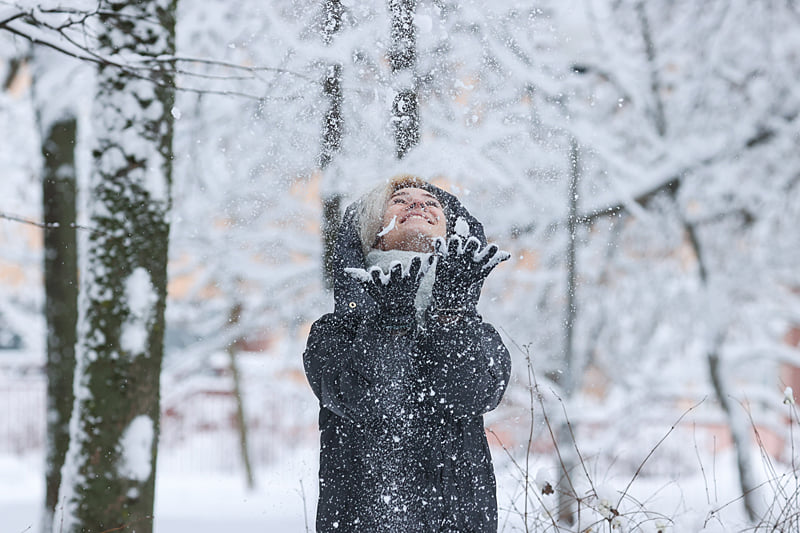
Snow is not always romantic for everyone. It can be the cause of anxiety or depression for some people. Those who have a fear of snow are suffering from Chionophobia.
Chionophobia or snow phobia is the intense or extreme fear or dread of snow. In the snowy season, the sufferer avoids going outside.
People with Chionophobia are in great trouble throughout the winter, especially those living in northern areas where heavy snowfall occurs. They have to consolidate themselves inside the home.
In light snow, they feel like they are stuck in a snowstorm.
In this article, we will discuss the condition Chionophobic has to suffer. What are the symptoms and causes of it? How does a person cope with it?
What is Chionophobia?
Chionophobia is an intense and irrational fear of snow or blizzards. Chinophobia is a combination of two words Chiono means snow, and phobia means fear. Chionophobia belongs to phagophobia, the fear of frost or ice.
The fear of snow is so intense that people refuse to draw curtains when there is snow outside.
People with Chionophobia may experience the following symptoms: anxiety, panic attacks, sweating, trembling, shortness of breath, and avoidance of snowy or wintry environments.
The fear of snow may be triggered by past traumatic experiences, such as being trapped or lost in a blizzard, or it may be based on irrational beliefs about the dangers of snow.
Treatment for Chionophobia may involve therapy, medication, and exposure therapy. It helps the sufferer gradually confront and overcome their fear.
Symptoms of Snow Fear
Like other phobias, the symptoms of Chionophobia greatly affect the quality of life of a person. The person could show generalized phobia symptoms, such as panic attacks and anxiety while facing the thing he is phobic with.
Fearing snow brings with it a list of other symptoms through which you can identify the individual these signs are:
- Crying, screaming, tremors, and wanting to run away from the snow.
- Nausea or vomiting when staying in snow for long
- Shortness of breath and heart palpitation
- Panic attacks and severe anxiety
- Muscles tension, weird stomach upset
- Shakiness and sweating in the palm and feet
- Depression and anxiety when talking about snow
Causes of Chionophobia
There are several factors that may cause fear of snow. These factors include environment, genetics, heredity, and past history.
The most common cause is the past traumatic event related to snow. Someone who survived hard in the heavy snowy weather conditions may develop Chionophobia. If a child is injured due to ice or snow, they may develop a snow phobia that may persist lifelong. A person who has seen any fatal event due to freezing low temperatures may develop this phobia.
Media can also be the cause of snow phobia. For instance, if a person watches an event on the TV or media of a snowstorm in which many people got killed, he may develop a snow phobia.
The genetic constitution and the environmental factors collectively result in this disorder. Water phobia may sometimes lead to Chionophobia because ice is also a form of water.
Treatment of Fear of Snow
If your phobia is mild, you can cope with it by exposing yourself to it. How early you can cope with it depends on the intensity of the fear.
Learning more about the nature of phobias and how they develop can help you better understand your fear of snow. Understanding the physiological and psychological mechanisms that contribute to phobias can also help you control your anxiety.
Negative thoughts and beliefs about snow and winter weather can contribute to Chionophobia, so you can remove those negative thoughts by gradual exposure.
You can start with small exposures, such as looking at pictures of snow or watching the snowfall from inside, and gradually increase your exposure as you feel more comfortable.
If the fear is so intense that you can not handle it on your own, seek treatment.
The treatment of Chionophobia involves cognitive behavioral therapy (talk therapy), exposure therapy, or sometimes anti-anxiety medications are suggested.
In CBT, the therapist helps the client change their false perception of snow. CBT is the most effective form of treatment as it not only teaches the patient to cope with Chinophobia, but the person also learns other coping skills.
The bottom line
Chionophobia is an excessive or irrational fear of snow or blizzards. It can cause severe anxiety when exposed to snow and interfere with daily activities.
Treatment options for Chionophobia include therapy, medications, and self-help techniques, such as relaxation and gradual exposure.
Coping strategies can also be helpful in managing the fear of snow, such as seeking support, challenging negative thoughts, and educating oneself.
With proper treatment and support, it is possible to overcome Chionophobia and live a fulfilling life free from the limitations imposed by this fear.
Read Also
- Understanding Spinal Health: The Key to a Pain-Free Life
 The human spine is the main support structure of your body. It keeps you standing tall, protects your delicate spinal cord, and lets you bend, twist, and walk easily every single day. Even though your back performs hard physical work daily, spinal health is often ignored until pain starts. Back stiffness, neck soreness, and sudden… Read more: Understanding Spinal Health: The Key to a Pain-Free Life
 - The Rise of Holistic Health: Integrating Mind, Body, and SpiritFinding balance in a fast-paced world often feels like a constant struggle. Many people spend years chasing quick fixes for their energy levels or mood swings, only to end up back at square one. Real wellness happens when every piece of your daily routine aligns. Focusing on the complete picture changes everything. Holistic health centers… Read more: The Rise of Holistic Health: Integrating Mind, Body, and Spirit
- Whitening, Bonding or Veneers? Matching the Right Cosmetic Treatment to Your SmilePeople rarely walk into a consultation asking for a specific procedure. They walk in with a complaint. My teeth look yellow in photos. There is a chip in my front tooth. One tooth sits behind the others. The job of a good cosmetic consult is translating that complaint into the least invasive treatment that actually… Read more: Whitening, Bonding or Veneers? Matching the Right Cosmetic Treatment to Your Smile
- Hair Transplant vs Non-Surgical Hair Restoration: How Clinics Decide the Right ApproachHair loss treatment is no longer limited to choosing between medication and surgery. Modern hair restoration clinics offer several options, including medical treatment, platelet-based procedures, laser therapy, scalp treatments and hair transplantation. Having more options can be helpful, but it can also make the decision confusing. A person with early thinning may assume that a… Read more: Hair Transplant vs Non-Surgical Hair Restoration: How Clinics Decide the Right Approach
- The Role of Prosthodontics in Modern Restorative DentistryRestorative dentistry brings together patient care and smart office management. Dental offices today face more requests for full-mouth fixes and cosmetic work. Adding advanced repair skills helps teams handle tough cases with more success. Dental groups that build these skills can offer more to their patients. This shift grows skills and keeps patients coming back.… Read more: The Role of Prosthodontics in Modern Restorative Dentistry
- Day Treatment for Mental Health in Pasadena: A Vital ResourceKey Takeaways In Pasadena, day treatment programs offer a flexible alternative to hospitalization, with approaches tailored to enhance recovery based on the needs of each individual. By focusing on personal strengths and vulnerabilities, personalized care strategies can significantly improve treatment outcomes. This active participation in treatment planning empowers clients in their recovery journeys. Participants in… Read more: Day Treatment for Mental Health in Pasadena: A Vital Resource