


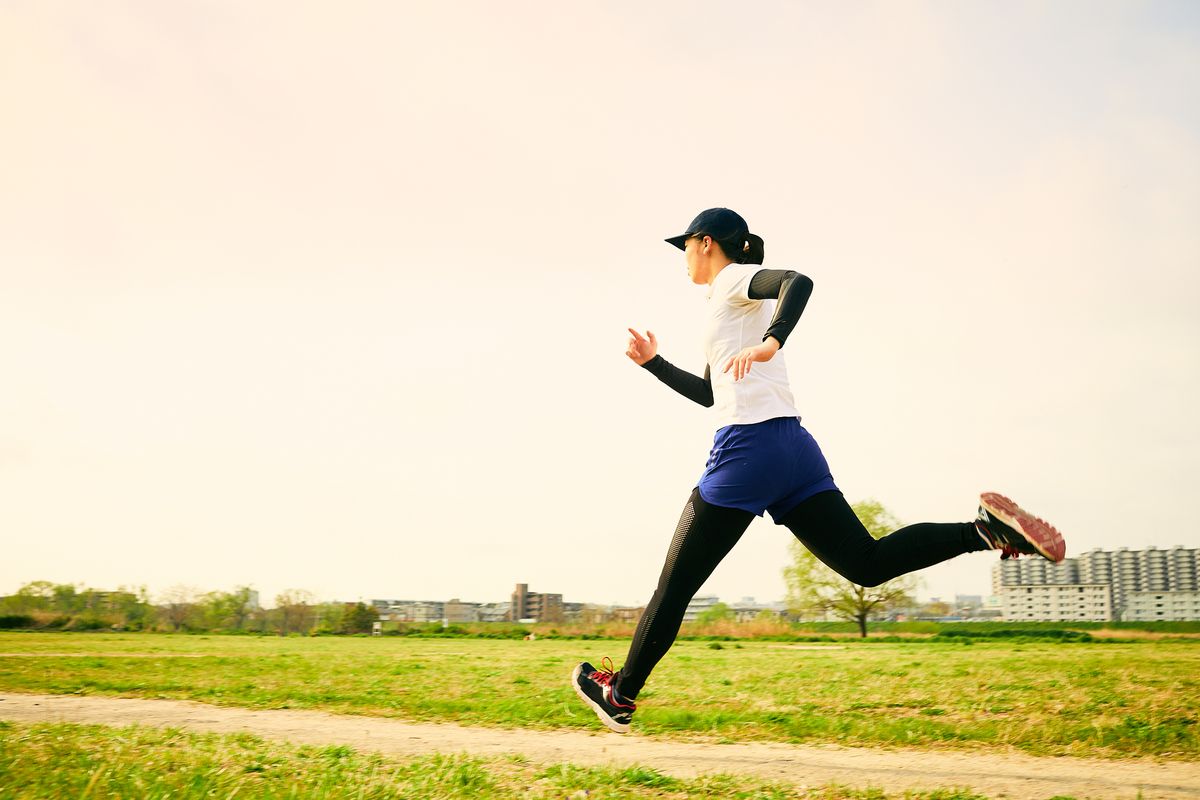
Running is a natural human activity practiced for thousands of years. However, understanding the biomechanics behind running and analyzing gait patterns has become vital to improving performance, preventing injuries, and enhancing the overall running experience. In this article, we will delve into the science of running mechanics and gait analysis, exploring how these fields contribute to optimizing running form and maximizing efficiency.
Understanding Running Mechanics:
Running mechanics refers to the complex movements and interactions between various body parts during the running stride. It involves coordinating muscles, joints, tendons, and ligaments to produce efficient and powerful forward motion. Proper running mechanics can help minimize energy wastage, reduce joint stress, and enhance the running economy.
The main components of running mechanics include posture, stride length, cadence, foot strike, and arm swing. Let’s explore each of these elements in detail:
1- Posture: Maintaining a good posture while running is crucial for efficient movement. This involves keeping the head up, shoulders relaxed, and spine aligned. Proper posture helps optimize breathing, balance, and alignment of the body.
2- Stride Length: Stride length refers to the distance covered by a single step. While it may vary among individuals, an optimal stride length allows for effective energy transfer and forward propulsion. Striking a balance between stride length and cadence is key to achieving efficient running mechanics.
3- Cadence: Cadence refers to the number of steps taken per minute. It plays a significant role in running efficiency and injury prevention. Research suggests that a cadence of around 180 steps per minute is optimal for most runners, as it reduces overstriding and excessive vertical oscillation.
4- Foot Strike: Foot strike refers to the part of the foot that first contacts the ground during running. There are three main types: heel strike, midfoot strike, and forefoot strike. Each foot strike pattern has advantages and considerations, and understanding which works best for an individual can help optimize running mechanics and reduce the risk of injury.
5- Arm Swing: The arm swing counterbalances leg movements during running. Proper arm swing mechanics aid in maintaining balance, generating momentum, and facilitating an efficient stride. Arms should swing naturally and relaxed, moving in sync with the opposite leg.
Gait Analysis:
Gait analysis systematically evaluates an individual’s running mechanics, typically through video recordings, motion sensors, or specialized equipment. It provides valuable insights into the kinematics and kinetics of running, allowing experts to identify strengths, weaknesses, and areas for improvement.
There are two main types of gait analysis: visual gait analysis and instrumented gait analysis. Visual gait analysis is conducted by trained professionals who observe and analyze a runner’s form, looking for any irregularities or biomechanical issues. Instrumented gait analysis utilizes motion capture systems, force plates, and pressure sensors to provide more precise and quantitative data on running mechanics.
Benefits of Running Mechanics and Gait Analysis:
1- Injury Prevention: By analyzing running mechanics, gait analysis can identify any imbalances, weaknesses, or faulty movement patterns that may contribute to injuries. With this knowledge, targeted interventions and corrective exercises can be prescribed to address these issues and reduce the risk of running-related injuries.
2- Performance Enhancement: Optimizing running mechanics can improve running economy, speed, and endurance. Gait analysis helps identify areas of inefficiency, allowing runners to make necessary adjustments to enhance their performance.
3- Personalized Training Programs: By understanding an individual’s unique running mechanics, coaches and trainers can develop customized training programs to improve specific running form aspects. This personalized approach can lead to more effective training and better results, as it addresses each runner’s specific needs and areas for improvement.
4- Rehabilitation and Return to Running: Gait analysis is a valuable tool in the rehabilitation process for runners recovering from injuries. It helps identify compensatory movements or altered mechanics that may hinder recovery. By addressing these issues through targeted exercises and adjustments to running form, gait analysis aids in a safe and effective return to running.
5- Equipment and Footwear Selection: Running mechanics and gait analysis can guide individuals in selecting the appropriate footwear and equipment. By analyzing factors such as foot strike pattern and pronation, experts can recommend shoes with the proper support and cushioning to optimize comfort and reduce the risk of injury.
Conclusion:
The science of running mechanics and gait analysis offers valuable insights into the intricate movements and biomechanics involved in running. By understanding and analyzing these aspects, runners can optimize their form, improve performance, and reduce the risk of injuries.
Whether you’re a recreational runner or an elite athlete, considering a gait analysis and understanding your running mechanics can significantly impact your overall running experience.
Consult with a running specialist or sports professional for a comprehensive gait analysis and gain valuable insights into your unique running mechanics.
By harnessing the power of science, you can unlock your full running potential and enjoy the countless benefits of efficient and biomechanically sound running.
Read Also
- Top Trends Shaping the Future of Mental Health Care
 Mental health care is moving fast to meet daily human needs. People want direct care that fits modern life. Clinics respond by creating flexible options that make healing easier to reach. Providers look past rigid habits to give people solid care. From smart tools to body wellness, these changes help people find relief when life… Read more: Top Trends Shaping the Future of Mental Health Care
 - Full-Arch Dental Tourism: Why UK Patients With Severe Bone Loss Are Looking AbroadDental implants have become one of the fastest-growing segments of private dentistry. Within that market, one patient group behaves very differently from the rest: people who have been told they do not have enough upper jawbone for conventional implants. For these patients, the choice is rarely between one clinic and another. It is between a… Read more: Full-Arch Dental Tourism: Why UK Patients With Severe Bone Loss Are Looking Abroad
- Levels of Mental Health Care and When to Seek SupportMental health care can range from occasional outpatient appointments to 24-hour hospital treatment. The appropriate level depends on safety, symptom severity, daily functioning, medical needs, available support, treatment history and personal preferences. A licensed clinician should assess these factors rather than relying on a symptom list alone. Need help now? In the United States, call… Read more: Levels of Mental Health Care and When to Seek Support
- How to Choose a Shilajit Brand Based on the ResearchIn a randomized trial published in the Journal of the International Society of Sports Nutrition in 2019, 63 active men took 250 mg of standardized shilajit, 500 mg, or a placebo every day for eight weeks, and the benefit for strength retention after a fatiguing workout appeared only at 500 mg. For anyone choosing a… Read more: How to Choose a Shilajit Brand Based on the Research
- How to Incorporate Relaxation into Your Busy ScheduleFinding balance when you have a packed daily agenda often feels out of reach. Between work duties, family obligations, and personal projects, personal rest usually gets pushed to the bottom of the list. Small, intentional shifts in daily habits can help restore calm without requiring hours of extra free time. Continue reading to discover everything… Read more: How to Incorporate Relaxation into Your Busy Schedule
- Red Light Therapy for Skin and Wellness: Meet Vital Red Light TherapyModern wellness is not always about complicated treatments or long routines. Many people are now looking for simple, convenient ways to support their skin, recovery, and overall wellness at home. One technology getting more attention is red light therapy. Red light therapy uses specific wavelengths of red and near-infrared light to support the body’s natural… Read more: Red Light Therapy for Skin and Wellness: Meet Vital Red Light Therapy






