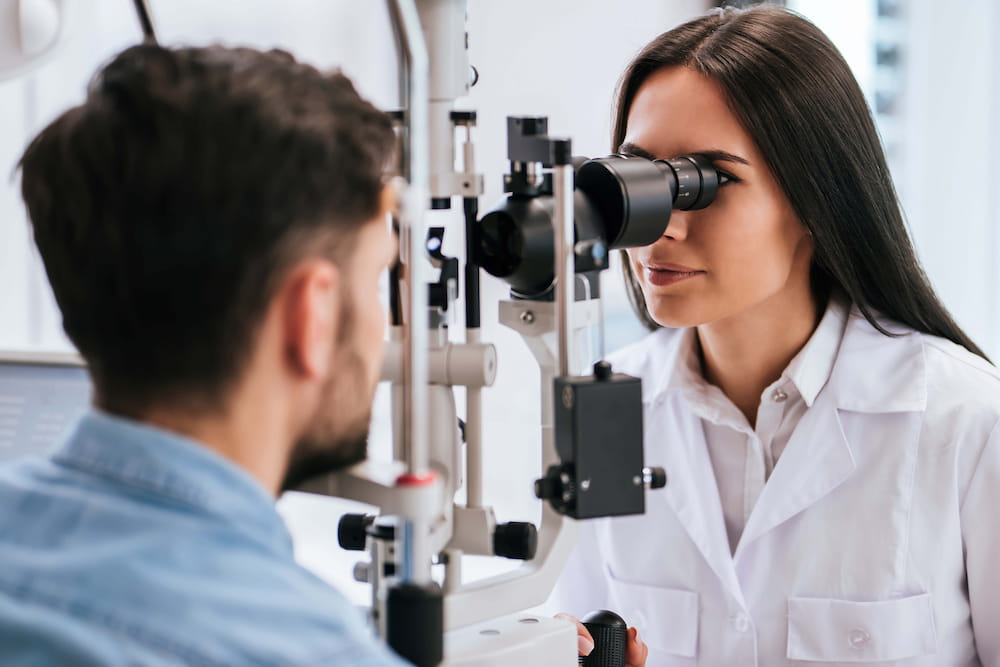
Your eyes, windows to the world, are often taken for granted. Yet, when blurry vision strikes or a sudden pain shoot through your eyes, you realize just how precious clear sight is. While regular checkups are important, certain signs warrant an immediate visit to the eye doctor. Experiencing changes in vision, persistent discomfort, or having a family history of eye conditions are just a few red flags.
This article will explore five key instances that signal the need for an eye exam, sooner rather than later. By understanding these signs, you’ll be empowered to take charge of your eye health and address any potential problems before they escalate. Dive in and discover when it’s time to schedule that all-important appointment.
Experiencing Vision Changes
If you’ve noticed any shifts in your vision, don’t brush them off as “just getting older” or chalk it up to stress. These changes could be your eyes’ way of signaling an underlying issue that needs attention. Here are some of the things to watch out for:
Blurry or distorted vision
Have you been squinting more than usual at the computer screen or struggling to read street signs while driving?
Double vision
If you’re seeing two images of a single object, it could signal a problem with your eye muscles or nerves.
Halos or glares around lights
Rainbow-like halo around headlights at night could be a sign of cataracts, a common age-related condition where the lens of your eye becomes cloudy.
Floaters or flashes of light
Those tiny specks or flashes you sometimes see in your field of vision might seem harmless, but they can also be a sign of a more serious issue like a retinal tear or detachment.
Struggling to see when the sun goes down?
If you find yourself squinting or straining your eyes in the evening or at night, it could be more than just a minor inconvenience. Nighttime vision difficulties can be a sign of an underlying eye condition like cataracts, or even a nutritional deficiency like a lack of vitamin A.
If you’re experiencing any of these vision changes, don’t delay. Schedule an eye exam Toronto or with a specialist in your city as soon as possible. An eye care professional can assess your vision, determine the cause of the changes, and recommend appropriate treatment options.
Eye Discomfort or Pain
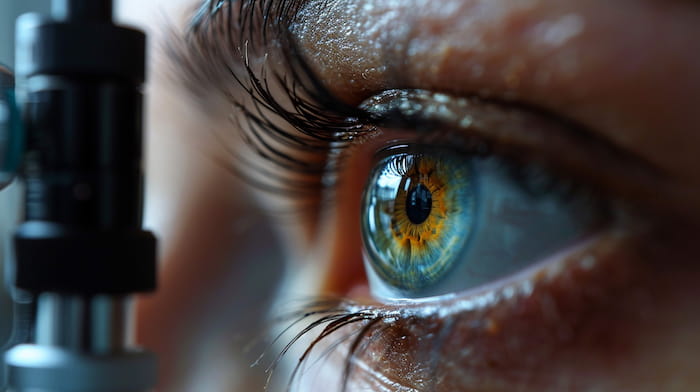
Your eyes, though small, are mighty complex. Any discomfort, from a mild itch to a sharp pain, is their way of signaling that something might be off. Don’t brush it aside as “just tired eyes.” Those seemingly minor annoyances could be a sign of something more serious brewing beneath the surface.
Here are some of the things to be wary of:
Persistent eye pain
Eye pain can be a sign of infection, inflammation, or even injury.
Dry, itchy, or burning eyes
Dry, itchy, or burning sensations can be caused by allergies, dry eye syndrome, or even prolonged screen time.
Redness or swelling
If your eyes look red or puffy, it could be a sign of irritation, infection, or inflammation.
Sensitivity to light
Do you find yourself squinting or shielding your eyes from bright lights?
.
Feeling of something being in the eye
That gritty feeling like something’s stuck in your eye can be incredibly uncomfortable. It could be a foreign object, an eyelash, or even a scratch on the cornea.
Ignoring eye discomfort can sometimes lead to more serious issues. Be proactive and prioritize your eye health. After all, your eyes deserve the best care possible!
Family History of Eye Conditions
Genes play a significant role in your eye health. If your family tree has branches laden with eye conditions, it’s wise to be extra vigilant about your own vision. Knowing your family’s eye health history is like having a crystal ball that can help predict potential risks and take preventive measures. Here are some of the conditions to look out for:
Glaucoma
This sneaky thief of sight often develops gradually, damaging the optic nerve due to increased pressure inside the eye. If your parents or siblings have glaucoma, your risk is significantly higher.
Macular degeneration
Macular degeneration affects the central part of the retina responsible for sharp, detailed vision. It tends to run in families, so be mindful of your relatives’ experiences.
Cataracts
While cataracts are a natural part of aging for many, a family history can increase your chances of developing them earlier or experiencing more severe symptoms.
Diabetic retinopathy
Diabetic retinopathy can damage blood vessels in the retina, leading to vision loss if left untreated.
Other hereditary eye diseases
Some lesser-known conditions like retinitis pigmentosa (a group of rare eye diseases that affect the retina) and Stargardt disease (an inherited form of macular degeneration) can also be passed down through generations.
Talk to your family members and gather information about their eye health history. This includes any diagnoses they’ve received, treatments they’ve undergone, and any vision changes they’ve experienced. Share this information with your eye doctor during your next check-up.
Changes in Health Conditions
If you’ve been diagnosed with a new condition or noticed shifts in existing health issues, it’s wise to schedule an eye exam to monitor any potential impact on your sight. Here are some of the conditions that can affect your eyes:
Diabetes
High blood sugar can damage the tiny blood vessels in your retina, the light-sensitive tissue at the back of your eye. This can lead to a condition called diabetic retinopathy, which can cause blurred vision, floaters, and even blindness if left untreated.
Autoimmune diseases
Certain autoimmune conditions like lupus or rheumatoid arthritis can cause inflammation in different parts of the eye, resulting in pain, redness, and vision changes.
Thyroid problems
Both hyperthyroidism (overactive thyroid) and hypothyroidism (underactive thyroid) can affect your eyes. Hyperthyroidism can cause bulging eyes (Graves’ disease), while hypothyroidism can lead to dry eyes, blurry vision, or swelling around the eyes.
Medications with potential eye side effects
Some medications, such as steroids, antihistamines, or certain antidepressants, can have side effects that affect your vision.
If you’ve been diagnosed with any of these conditions or are experiencing new or worsening symptoms, schedule an eye exam promptly.
Final Thoughts
Your eyes deserve your attention. Don’t wait for a major problem to arise before seeking professional help. Prioritize your eye health today and schedule an exam. A few simple tests could be the key to preserving your vision for years to come.
Did you find this helpful? Check out our other helpful articles on our website.
Read Also
- Where to Find Reliable Mental Health Support for Teens
 Have you noticed changes in your teen’s mood, sleep, or behavior that leave you worried? Growing up can bring stress from school, friends, family, and new demands. Some teens may struggle to share their feelings or ask for help, even when they need support. Finding the right mental health support for teens can help them… Read more: Where to Find Reliable Mental Health Support for Teens
 - Top Trends Shaping the Future of Mental Health CareMental health care is moving fast to meet daily human needs. People want direct care that fits modern life. Clinics respond by creating flexible options that make healing easier to reach. Providers look past rigid habits to give people solid care. From smart tools to body wellness, these changes help people find relief when life… Read more: Top Trends Shaping the Future of Mental Health Care
- Full-Arch Dental Tourism: Why UK Patients With Severe Bone Loss Are Looking AbroadDental implants have become one of the fastest-growing segments of private dentistry. Within that market, one patient group behaves very differently from the rest: people who have been told they do not have enough upper jawbone for conventional implants. For these patients, the choice is rarely between one clinic and another. It is between a… Read more: Full-Arch Dental Tourism: Why UK Patients With Severe Bone Loss Are Looking Abroad
- Levels of Mental Health Care and When to Seek SupportMental health care can range from occasional outpatient appointments to 24-hour hospital treatment. The appropriate level depends on safety, symptom severity, daily functioning, medical needs, available support, treatment history and personal preferences. A licensed clinician should assess these factors rather than relying on a symptom list alone. Need help now? In the United States, call… Read more: Levels of Mental Health Care and When to Seek Support
- How to Choose a Shilajit Brand Based on the ResearchIn a randomized trial published in the Journal of the International Society of Sports Nutrition in 2019, 63 active men took 250 mg of standardized shilajit, 500 mg, or a placebo every day for eight weeks, and the benefit for strength retention after a fatiguing workout appeared only at 500 mg. For anyone choosing a… Read more: How to Choose a Shilajit Brand Based on the Research
- How to Incorporate Relaxation into Your Busy ScheduleFinding balance when you have a packed daily agenda often feels out of reach. Between work duties, family obligations, and personal projects, personal rest usually gets pushed to the bottom of the list. Small, intentional shifts in daily habits can help restore calm without requiring hours of extra free time. Continue reading to discover everything… Read more: How to Incorporate Relaxation into Your Busy Schedule
- Red Light Therapy for Skin and Wellness: Meet Vital Red Light TherapyModern wellness is not always about complicated treatments or long routines. Many people are now looking for simple, convenient ways to support their skin, recovery, and overall wellness at home. One technology getting more attention is red light therapy. Red light therapy uses specific wavelengths of red and near-infrared light to support the body’s natural… Read more: Red Light Therapy for Skin and Wellness: Meet Vital Red Light Therapy
- Managing Shock Loss After a Hair Transplant: The Financial and Clinical Imperative of Post-Op CareIn the rapidly evolving landscape of private healthcare, executive leadership within cosmetic and restorative surgery clinics faces a dual challenge: maintaining strict clinical standards while maximizing patient lifetime value (LTV) and brand advocacy. As the global medical tourism and elective procedure markets expand, clinical outcome quality alone is no longer the sole differentiator for premium… Read more: Managing Shock Loss After a Hair Transplant: The Financial and Clinical Imperative of Post-Op Care