


Proper dental care is important for both a healthy set of teeth and a well-defined jawline. Practicing good oral hygiene helps prevent tooth decay and gum disease and contributes to the overall health of your mouth and jaw.
According to recent data, over 90% of adult Americans suffer from dental problems in the form of cavities in their permanent teeth. Additionally, 25% of adults in the US have not received treatment for their dental decay, highlighting the country’s need for improved oral healthcare.
This comprehensive guide will explore ten invaluable tips for maintaining a healthy set of teeth and a well-defined jawline. By following these tips, you can achieve a confident and radiant smile while ensuring the longevity of your oral health.
1- Consider Orthodontic Treatment for Dental Alignment:
40% of adults residing in LA have had their permanent teeth extracted due to tooth decay or gum disease. The root issue underlying this alarming trend is the lack of regular and preventive dental care that residents in this region receive. In fact, almost half of the children and three-fourths of adults who are part of Medi-Cal Dental have not undergone an annual dental check-up. It is imperative to address this major gap in dental healthcare access and raise awareness about the importance of preventive measures to ensure healthy teeth and gums for all.
Misaligned teeth can impact both your smile and jawline according to this dentist in Keene. If you have crooked or crowded teeth, consider orthodontic treatment to correct their alignment. Orthodontic options, such as braces or clear aligners, can improve the appearance of your teeth, promote proper jaw alignment, and enhance your oral health. Consult an orthodontist to determine the best treatment plan for your needs.
Los Angeles Center for Oral and Maxillofacial Surgery is one of LA’s leading dental care centers, providing state-of-the-art treatment options. You can visit their website at la-coms.com and schedule a consultation to discuss your orthodontic needs.
2- Mastering the Brushing Technique and Frequency
A robust dental care routine hinges on the correct brushing technique and frequency. Brush your teeth at least twice daily, dedicating a minimum of one minute to each brushing session. Use a soft-bristled toothbrush and gentle, circular motions to effectively remove plaque and food particles from all surfaces of your teeth. Proper brushing technique ensures a thorough cleaning and reduces the risk of tooth decay and gum disease.
3- Flossing and Interdental Cleaning
Flossing and interdental cleaning are crucial in maintaining optimal oral hygiene. Incorporate daily flossing into your routine to remove plaque and debris from the spaces between your teeth. Take the time to floss each tooth properly, gently moving the floss back and forth to ensure thorough cleaning. If traditional flossing is challenging, consider using interdental brushes or water flossers as effective alternatives.
4- Reinforcing Oral Health with Antimicrobial Mouthwash
Use antimicrobial mouthwash into your daily regimen to complement your brushing and flossing routine. Mouthwash reaches areas of the mouth that brushing and flossing may miss, providing additional protection against bacteria and freshening your breath. Opt for an antimicrobial mouthwash that contains fluoride to enhance its dental benefits. Rinse your mouth for the recommended time stated on the product label.
5- Eat a Tooth-friendly Diet for Optimal Oral Health
A balanced diet plays a significant role in maintaining a healthy set of teeth and a well-defined jawline. Limit your intake of sugary and acidic foods and beverages, as they can contribute to tooth decay and enamel erosion. Instead, focus on a diet rich in fruits, vegetables, lean proteins, and whole grains. These nutrient-rich foods provide essential vitamins and minerals supporting healthy teeth and gums while promoting oral health.
6- Hydrate
Staying hydrated is essential for your overall health and maintaining a healthy set of teeth and a well-defined jawline. Drinking plenty of water helps rinse away food particles and bacteria, reducing the risk of tooth decay. Furthermore, water keeps your mouth hydrated and stimulates saliva production, which aids in neutralizing acids and preventing dry mouth. Make it a habit to drink water throughout the day.
7- Steer Clear of Tobacco Products for Oral Health
Tobacco poses severe risks to your oral health. Smoking and using other tobacco products increase the likelihood of developing gum disease, tooth discoloration, bad breath, and even oral cancer. Quitting tobacco improves your oral health and enhances your overall well-being. Seek support from healthcare professionals or cessation programs to help you overcome tobacco addiction.
8- Keep your Teeth Safe During Physical Activities
Protecting your teeth during physical activities is crucial to maintaining a healthy set of teeth and a well-defined jawline. Wear a mouthguard if you participate in contact sports or activities with a risk of dental injuries. A properly fitted mouthguard can prevent dental injuries and trauma. Additionally, if you grind your teeth at night, consider using a nightguard to protect your teeth and jaw from the harmful effects of teeth grinding.
9- Prioritize Regular Dental Checkups and Cleanings
Routine dental checkups and professional cleanings are fundamental to maintaining optimal oral health. Schedule regular visits with your dentist, ideally every six months or as your oral healthcare professional recommends. Regular dental exams allow your dentist to identify and address potential dental issues early on, preventing them from progressing into more significant problems. Professional cleanings remove plaque and tartar buildup, ensuring the health of your teeth and gums.
10- Stress Management for Oral Health
Stress can manifest in various ways, including teeth grinding, clenching, or bruxism. This habit can cause tooth damage and jaw pain, possibly leading to TMJ disorders. Incorporate stress management techniques to reduce stress levels and protect your oral health. Engage in activities such as exercise, meditation, or practicing relaxation techniques to alleviate stress. If necessary, consult your dentist about treatment options for bruxism.
Conclusion
Maintaining a healthy set of teeth and a well-defined jawline requires consistent dental care practices. You can achieve and maintain optimal oral health by following the ten tips outlined in this article. Remember, a healthy smile enhances your appearance, self-confidence, and well-being. Invest in your dental health today for a lifetime of smiles.
Read Also
- Long Term Health Effects Of Tooth Loss
 Losing an adult tooth can change your daily life. Chewing becomes harder, speaking may feel different, and smiling can become uncomfortable. Many people think tooth loss only affects their appearance. However, missing teeth can affect much more than your smile. Your mouth plays an important role in your overall health. When you lose a tooth,… Read more: Long Term Health Effects Of Tooth Loss
- How to Set Up a Sleep Friendly Bedroom for Recovery at HomeRest is one of the simplest parts of recovery, yet it is often the hardest to get at home. After surgery, an illness, or a hospital stay, many people go back to a bedroom that was never designed for healing. Light from the street, early sun, and a busy household can all cut sleep short… Read more: How to Set Up a Sleep Friendly Bedroom for Recovery at Home
- Piles Clinic in Singapore: Symptoms, Treatment Options and When to See a SpecialistHaemorrhoids, commonly known as piles, are a frequent condition affecting the veins around the lower rectum and anus. They can cause discomfort, itching, swelling and bleeding, making everyday activities such as sitting and passing stools uncomfortable. Although mild cases may improve with dietary and lifestyle changes, persistent or advanced haemorrhoids sometimes require medical procedures or… Read more: Piles Clinic in Singapore: Symptoms, Treatment Options and When to See a Specialist
- What You Need to Know About Dental FluorosisHave you noticed chalky white spots on your teeth when you look in the mirror? You might have a common condition called dental fluorosis, which drastically changes the way your tooth enamel looks. This mostly happens when young children consume too much fluoride while their adult teeth actively grow beneath the gums. While fluoride undoubtedly… Read more: What You Need to Know About Dental Fluorosis
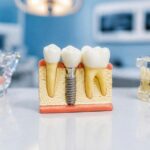
- What Makes Permanent Tooth Replacement A Life-Changing Option?Missing teeth can cause serious discomfort and lower your self-esteem. Many people struggle with everyday tasks like eating meals and speaking clearly to friends. Traditional dentures offer a quick fix but often slip or feel completely unnatural. A modern approach provides a secure fit that feels exactly like real teeth – giving you true peace… Read more: What Makes Permanent Tooth Replacement A Life-Changing Option?