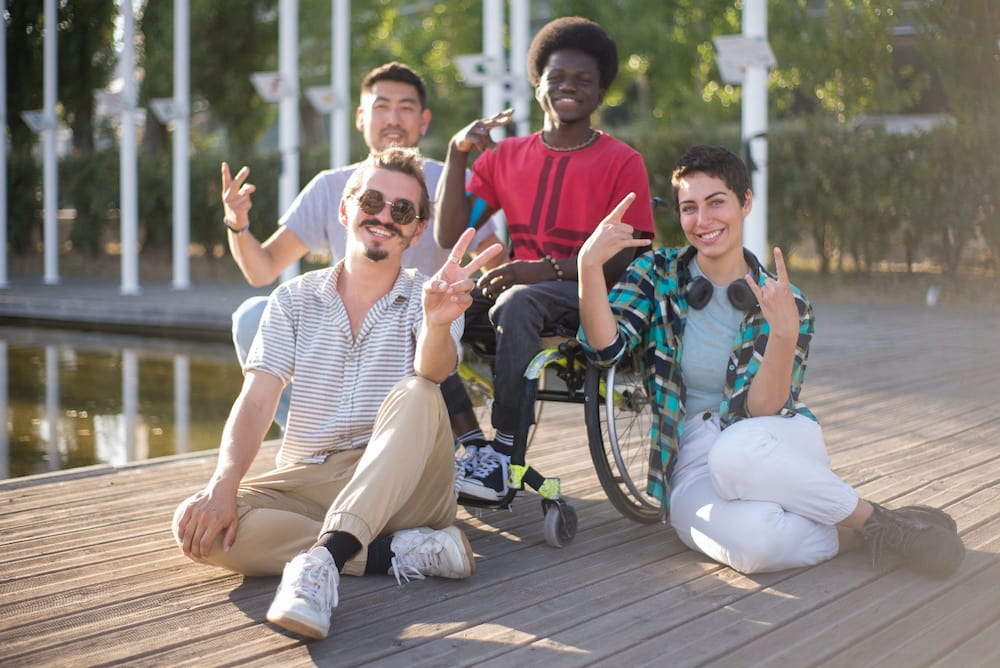
One of the most effective ways to heal the mind and spirit is by getting out into nature, whether it be through country walks or spending time near water. This is as true for wheelchair users or the able-bodied.
Here are six reasons why having a WAV can boost your mental health:
1) Sense of independence
Owning a WAV can give you more freedom than you can imagine. No more reliance on public transport, it is quicker to get from A to B, you can go out and explore new routes or places, and you are free not to spend money on taxis or buses. It’s easy to find a used wheelchair accessible vehicle for sale if you look online.
2) Greater sense of control
While some people might take more control than others, many disabled people feel that a lack of involvement in setting the pace of life has made them feel less than in control in many aspects of their lives. This feeling leads to worse mental health and frustration. However, having a WAV frees you from being a passenger. You’re in control of what’s happening.
3) Greater sense of confidence and being in charge
Being part of the human race, we all want to feel like we are part of something bigger than ourselves. Having a WAV affords this and gives you a sense of belonging to the wider human community. You like knowing that someone else is out there with you who understands what it is like to be disabled.
4) Improved quality of life
If you are disabled and the only way you can get out into the world is in a wheelchair, then you might lose out on opportunities to see different people, see the world around you and perhaps even make new friends. However, with a WAV, you can go out into your local town or city to explore new places.
5) Enhanced self-esteem
Having a WAV affords disabled people an opportunity to get involved in their own lives. They can feel more empowered and active in their own lives, they can make choices that they wouldn’t make without this level of independence.
6) Access to nature
With a WAV comes the freedom to visit more distant locations. Trips to nature sites such as national parks are no longer considered impossible. Time spent in nature has proven to reduce stress and improve mental health by enabling the body to access the same benefits as spending time in the great outdoors.
Being part of society, the human race, and being able to use your body freely is a good thing. What you lose in one area (your mobility), you can make up in others (your independence). However, if you are wheelchair-bound and unable to see the world beyond your local town or city, then activities such as gardening and spending time with friends can be difficult without access to transport.
For these reasons above and many more, getting a WAV will help improve your mental health and will allow you the freedom to enhance other areas of your life.
Read Also
- Where to Find Reliable Mental Health Support for Teens
 Have you noticed changes in your teen’s mood, sleep, or behavior that leave you worried? Growing up can bring stress from school, friends, family, and new demands. Some teens may struggle to share their feelings or ask for help, even when they need support. Finding the right mental health support for teens can help them… Read more: Where to Find Reliable Mental Health Support for Teens
 - Top Trends Shaping the Future of Mental Health CareMental health care is moving fast to meet daily human needs. People want direct care that fits modern life. Clinics respond by creating flexible options that make healing easier to reach. Providers look past rigid habits to give people solid care. From smart tools to body wellness, these changes help people find relief when life… Read more: Top Trends Shaping the Future of Mental Health Care
- Full-Arch Dental Tourism: Why UK Patients With Severe Bone Loss Are Looking AbroadDental implants have become one of the fastest-growing segments of private dentistry. Within that market, one patient group behaves very differently from the rest: people who have been told they do not have enough upper jawbone for conventional implants. For these patients, the choice is rarely between one clinic and another. It is between a… Read more: Full-Arch Dental Tourism: Why UK Patients With Severe Bone Loss Are Looking Abroad
- Levels of Mental Health Care and When to Seek SupportMental health care can range from occasional outpatient appointments to 24-hour hospital treatment. The appropriate level depends on safety, symptom severity, daily functioning, medical needs, available support, treatment history and personal preferences. A licensed clinician should assess these factors rather than relying on a symptom list alone. Need help now? In the United States, call… Read more: Levels of Mental Health Care and When to Seek Support
- How to Choose a Shilajit Brand Based on the ResearchIn a randomized trial published in the Journal of the International Society of Sports Nutrition in 2019, 63 active men took 250 mg of standardized shilajit, 500 mg, or a placebo every day for eight weeks, and the benefit for strength retention after a fatiguing workout appeared only at 500 mg. For anyone choosing a… Read more: How to Choose a Shilajit Brand Based on the Research