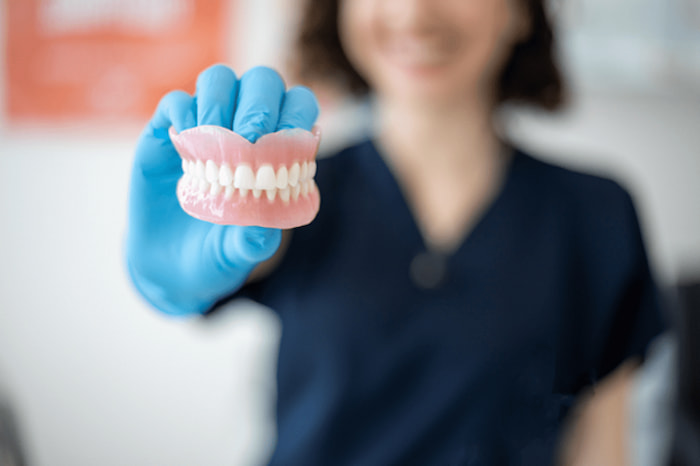
Understanding Partial Dentures: Types and materials
Think of partial dentures as custom-tailored clothing for your mouth—each style and substance plays its distinct role. There are three principal varieties:
- Acrylic partial dentures are affordable and straightforward but tend to be thick and less discreet—like wearing a cozy but bulky sweater.
- Metal-frame partial dentures offer a sleeker profile, with narrow clasps that tuck under existing teeth, providing a robust and reliable fit.
- Flexible partial dentures —fashioned from a pliable, nylon-like resin—hug your gums comfortably, blending shine and suppleness.
Material choice profoundly influences both feel and looks.
If you’re researching options, exploring Partial dentures can unlock insight into materials and styles designed not just to restore, but to complement YOU.
Achieving natural-looking aesthetics with partial dentures
A truly seamless smile is not merely restored—it’s recreated. Skilled technicians blend art and science by:
- Fine-tuning the shade of prosthetic teeth so they replicate translucency, vibrant hues, and even tiny flecks present in your natural enamel.
- Shaping the teeth to mirror your original incisors, canines or molars, factoring in your bite, facial profile and tooth wear patterns.
- Using gum-colored bases that match your gingiva in tone and subtle translucency, preventing that “fake gum” look.
- Concealing clasps , often opting for tooth-colored resin or tucking them behind structures so they’re nearly invisible.
Seen in good light, a well-crafted partial denture doesn’t shout “I’m not real”—it radiates the same quiet confidence as your natural smile.
Ensuring comfort: fit and adjustments
Comfort is where the rubber meets the road. A few essentials make all the difference:
- Precision impressions capture every curve and contour of your gums and remaining teeth. This high-fidelity mold is the map that guides comfortable fit.
- Initial fittings often require tweaks , as soft tissue adapts and impressions settle.
- Over time, gums may change shape—calling for professional relining or rebasing to refresh how the denture sits.
The impact of partial dentures on speech and eating
No surprise here—putting anything new in your mouth alters how it works. Here’s what to expect:
- Speech : In the first days, sounds like “s,” “sh” or “th” may sound odd. According to Polident, this lisping is common—and perfectly normal. Most people recover clarity within a few weeks by practicing with mirrors, reading aloud, or slowly conversing.
- Eating : Chewing efficiency might dip initially, especially with dense foods. A global review notes improved chewing cycles and bite force once accustomed .
- Adaptation : Usually, 2–4 weeks are enough to soften initial friction. After a few months, many almost forget anything has changed .
To ease the transition:
- Start with soft, easy-to-chew foods—yogurt, porridge, tender vegetables.
- Slice meals into small bites.
- Chew evenly on both sides.
- If needed, add a bit of denture adhesive for extra confidence.
Long-term care for durability and comfort
Longevity for partial dentures is not accidental—it’s intentional. Here’s how to care like a pro:
- Daily cleansing : Use a soft brush and a denture-friendly cleaner. Avoid toothpaste or bleach, which can scratch or weaken the material.
- Soak overnight , both to disinfect and to relax your gums.
- Visit your dentist yearly (or more, if issues arise) to check fit and oral health.
- Watch for wear : Discoloration, rough edges, or fit issues signal the need for a reline or replacement.
- Typically, relining or rebasing is advised every 2–3 years, depending on wear and changes in gum contours.
Proactive attention prevents discomfort, enhances hygiene, and extends the life of your restoration.
Alternative solutions: comparing partial dentures to other options
Partial dentures and dentures calgary are one option on a spectrum that includes bridges and implants. Here’s a balanced view:
Partial dentures
- Pros: affordable, adjustable, reversible, and suitable for multiple missing teeth.
- Cons: removable, requiring daily cleaning and occasional adjustments.
Fixed bridges
- Pros: permanent, stable, and natural-looking.
- Cons: involve shaving down healthy adjacent teeth and can be costlier.
Dental implants
- Pros: single-tooth solutions, bone preservation, high aesthetics, and stability.
- Cons: invasive surgery, longer healing, substantial initial cost.
Surveys confirm patients prioritize comfort, chewing ability, and budget—criteria where partial dentures often perform favorably . It’s a practical middle ground when implants are unavailable or unwanted.
In conclusion, partial dentures offer a versatile, functional, and aesthetic solution—especially when crafted from modern flexible materials and cared for properly.
Did you find this helpful? Check out our other helpful articles on our website.
Read Also
- Trust Signals Families and Referrals Expect in Home-Based Care
 Choosing a home-based care provider is rarely a simple decision. For families, it is often emotional and urgent. For referral sources, it is operational, clinical, and reputational. Both groups want the same outcome: a safe, dependable care setting that supports the individual’s needs without creating unnecessary risk, confusion, or disruption. Trust is the deciding factor.… Read more: Trust Signals Families and Referrals Expect in Home-Based Care
 - IVF in Later Life: Opportunities, Risks, and Modern Strategies for SuccessIs it worth considering IVF after age 40? In today’s world, the boundaries of reproductive age are gradually shifting, adapting to social changes. More and more women aged 40 and older are making a conscious decision to become mothers once they have achieved career stability, established a solid financial foundation, and attained deep psychological maturity.… Read more: IVF in Later Life: Opportunities, Risks, and Modern Strategies for Success
- How to Choose a Pediatrician: What Parents Should Look For Before the First VisitChoosing a pediatrician is one of the first major healthcare decisions parents make — and one of the most important. Your child’s doctor will be a consistent presence through well-child visits, illnesses, developmental milestones, and sometimes difficult conversations. Getting this choice right from the start sets the foundation for your child’s long-term health. Start Looking… Read more: How to Choose a Pediatrician: What Parents Should Look For Before the First Visit
- Ankle Injuries in Athletes: When to Push Through and When to See a SpecialistAnkle injuries are among the most common in sports, from weekend warriors to competitive athletes. The challenge is that the ankle’s complexity means what feels like a simple sprain might actually involve a fracture, torn ligament, or cartilage damage beneath the joint. Knowing when to rest at home versus when to seek professional evaluation can… Read more: Ankle Injuries in Athletes: When to Push Through and When to See a Specialist
- What to Expect When Seeing an Orthopedic Surgeon for Knee or Joint PainKnee and joint pain affects millions of Americans each year, ranging from minor discomfort after exercise to debilitating conditions that limit daily movement. Knowing when to see a specialist — and what to expect when you do — can make the entire experience less intimidating and more productive. When Should You See an Orthopedic Surgeon?… Read more: What to Expect When Seeing an Orthopedic Surgeon for Knee or Joint Pain
- Real Health Risks of Mold Exposure in South Florida HomesAlthough I’m not a doctor, having lived through enough post-hurricane mold outbreaks to know which symptoms send people to the ER in Miami, Fort Lauderdale, and West Palm Beach—and which ones linger for years. Immediate Reactions (hours to days) Allergic-type response (most common): Runny nose, red itchy eyes, sneezing, sinus pressure that feels like a… Read more: Real Health Risks of Mold Exposure in South Florida Homes
- Discover the Benefits of Secure Dental for Your Oral HealthThe Undeniable Link Between Oral Health and Overall Well-Being Oral health is much more than just a hygiene issue; it plays a crucial role in your overall health. Research has repeatedly shown that what happens in your mouth can significantly influence your body as a whole. The mouth is the gateway to the rest of… Read more: Discover the Benefits of Secure Dental for Your Oral Health
- The Role of Ingredients in Your Skincare: What to Look ForSkincare works best when you understand what goes into the products you use daily. Ingredients form the foundation of every formula and determine how the skin reacts over time. Each cream, cleanser, or serum has its own role, determined by its ingredients. Learning what to look for helps you pick products that help skin and… Read more: The Role of Ingredients in Your Skincare: What to Look For