


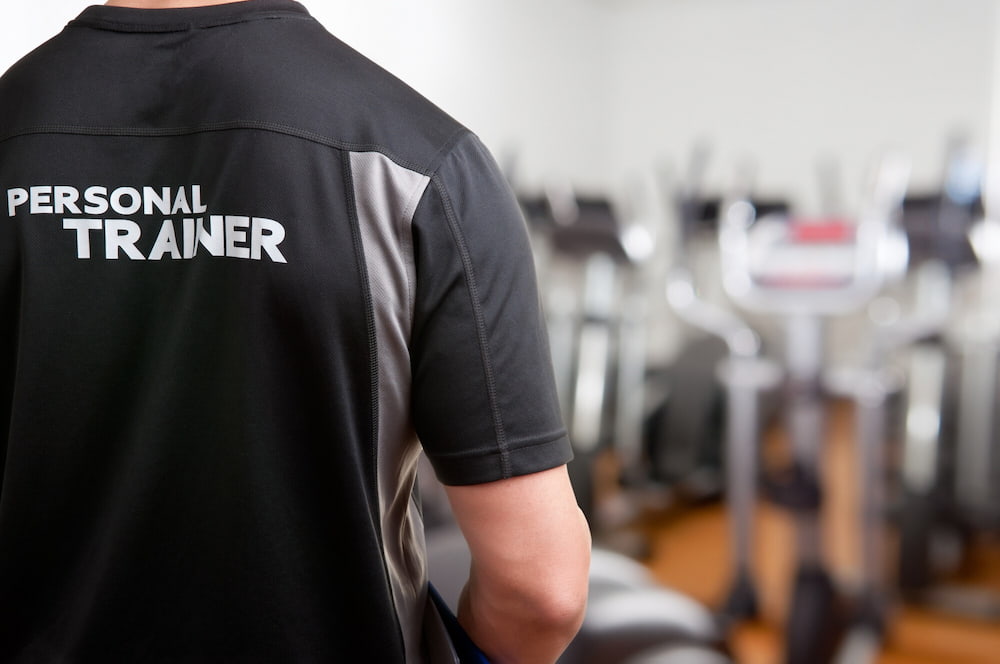
We lead sedentary lifestyles and are more prone to being overweight than ever before. Can you help people to get fit and healthy by becoming fitness coaches?
This rewarding and busy career is perfect for those looking to help others. It helps to improve their health and lifestyle. You might have the knack for guiding people through grueling weight loss regimens.
Check out this guide to ensure you’re well-prepared to become a fitness coach. It tells you everything you need to know about the career.
Understand the Role of a Fitness Coach
A fitness coach’s role is multifaceted. They must understand their client’s needs and tailor a fitness experience. It helps them to meet their individual goals. Understanding the importance of proper nutrition and supplementation is also essential.
A fitness coach should stay up-to-date on the latest methods and techniques. It includes using technology to track progress and effectively give feedback. A coach must create a safe, enjoyable, and motivating environment for clients.
Any individual can have a successful and competent fitness career.
Recognize Your Qualifications
Recognizing your qualifications as a fitness instructor is a critical first step. You should identify any relevant skills and involvement in teaching others. It includes how to reach their wellness and health goals.
There are also essential components you need to know to become a fitness instructor, such as:
– human anatomy
– exercise physiology
– nutrition
– kinesiology
– biomechanics
Think about your strengths and how you can best use them to help others reach their fitness goals. Take advantage of any available support and education. It enables you to become a more successful coach.
Obtaining Necessary Certifications
Depending on the type of activities and certification, there are many requirements for certification programs. Make sure you apply for certified programs that are accredited.
You may pursue standard certifications in strength and conditioning. It includes sport-specific training, nutrition, personal training, sports sciences, and more.
Consider what types of activity you want to lead. Research adequate personal trainer and fitness certifications and programs. Also, get the necessary credentials to help you pursue your career goals.
Stay updated with the latest research, methods, and trends in the fitness field.
Gain Valuable Experience
Internships or shadowing experienced fitness coaches can provide beneficial insight into the profession. This can include going to gyms and observing different fitness instructors.
Consider your experience as an athlete, personal trainer, coach, or in any other area that’s related to health and wellness. Working as a personal trainer or class instructor is a way to gain extensive experience.
Working with people of various body types and fitness levels will present different scenarios. Thereby giving them a chance to strengthen their skills.
Finally, receiving proper education or specialized training courses can provide an added edge.
Do You Have What It Takes to Become a Fitness Coach?
To summarize, fitness coaching is about supporting and motivating your clients. It helps them to transform their physical health. It also inspires them to improve their emotional and social well-being.
Fitness classes must understand fitness, nutrition, motivation, and communication skills. If you’re inspired to become one, start by gathering the necessary education, certifications, and experience.
Finally, remember to build a strong network and always continue learning! Get started on your journey today!
Visit the rest of our posts often for more advice on enjoying health, fitness and more.
Read Also
- Full-Arch Dental Tourism: Why UK Patients With Severe Bone Loss Are Looking Abroad
 Dental implants have become one of the fastest-growing segments of private dentistry. Within that market, one patient group behaves very differently from the rest: people who have been told they do not have enough upper jawbone for conventional implants. For these patients, the choice is rarely between one clinic and another. It is between a… Read more: Full-Arch Dental Tourism: Why UK Patients With Severe Bone Loss Are Looking Abroad
 - Levels of Mental Health Care and When to Seek SupportMental health care can range from occasional outpatient appointments to 24-hour hospital treatment. The appropriate level depends on safety, symptom severity, daily functioning, medical needs, available support, treatment history and personal preferences. A licensed clinician should assess these factors rather than relying on a symptom list alone. Need help now? In the United States, call… Read more: Levels of Mental Health Care and When to Seek Support
- How to Choose a Shilajit Brand Based on the ResearchIn a randomized trial published in the Journal of the International Society of Sports Nutrition in 2019, 63 active men took 250 mg of standardized shilajit, 500 mg, or a placebo every day for eight weeks, and the benefit for strength retention after a fatiguing workout appeared only at 500 mg. For anyone choosing a… Read more: How to Choose a Shilajit Brand Based on the Research
- How to Incorporate Relaxation into Your Busy ScheduleFinding balance when you have a packed daily agenda often feels out of reach. Between work duties, family obligations, and personal projects, personal rest usually gets pushed to the bottom of the list. Small, intentional shifts in daily habits can help restore calm without requiring hours of extra free time. Continue reading to discover everything… Read more: How to Incorporate Relaxation into Your Busy Schedule
- Red Light Therapy for Skin and Wellness: Meet Vital Red Light TherapyModern wellness is not always about complicated treatments or long routines. Many people are now looking for simple, convenient ways to support their skin, recovery, and overall wellness at home. One technology getting more attention is red light therapy. Red light therapy uses specific wavelengths of red and near-infrared light to support the body’s natural… Read more: Red Light Therapy for Skin and Wellness: Meet Vital Red Light Therapy





