


Introduction
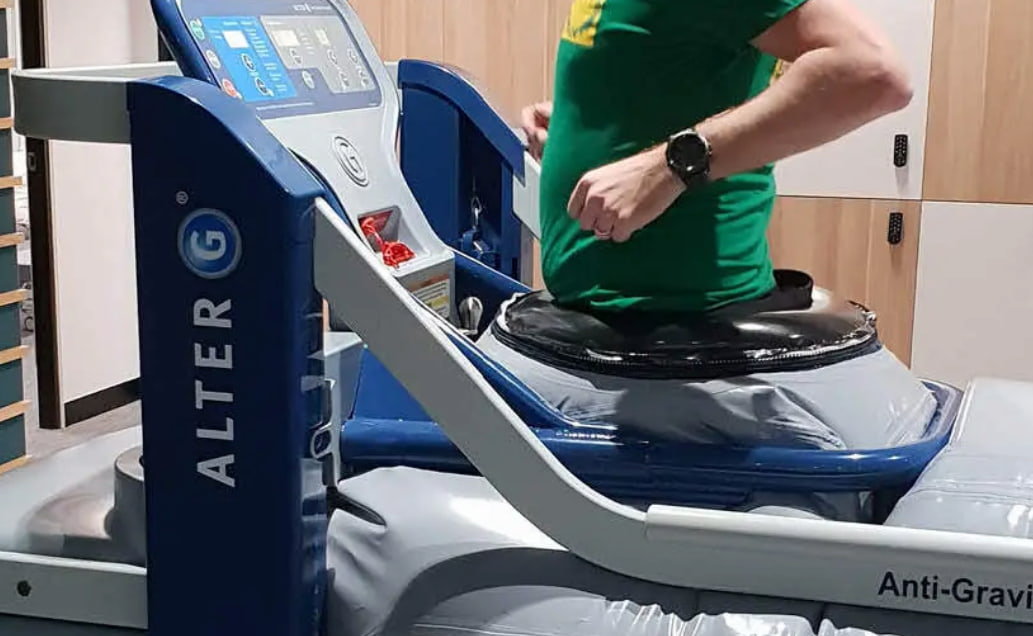
For those returning from an injury or looking to build strength and endurance, the AlterG treadmill is a new-age technology that can help recondition with less risk of injury. Designed for both walking and running, the AlterG treadmill enhances fitness and confidence in a safe environment.
However, the AlterG might be a mystery to those who have never used it. To explain the process, here is an outline on how to prepare for an AlterG session.
What Is AlterG?
AlterG is the Anti-Gravity Treadmill. Using “unweighting” technology, AlterG can support up to 100% of the user’s body weight. The system combines NASA Differential Air Pressure (DAP) technology with real-time gait analysis and pain recording. Physiotherapists can use AlterG to progress or modify training load by changing the amount of supported body weight, depending on the stage of rehabilitation.
AlterG can help those recovering from injury or surgery, those with chronic or neurological conditions, or athletes looking to boost performance. The benefits include:
- Improve endurance and strength
- Minimise impact by providing support during weight bearing exercise
- Rehabilitate with less pain and symptoms
- Build confidence and good habits throughout each training session
- Reduce the risk of injury and biomechanical issues
- Speed up recovery times
AlterG should always be guided and monitored by a trained health professional to ensure maximal safety and effectiveness.
How To Prepare For AlterG
AlterG is becoming exponentially popular throughout the health and sporting community. Here’s how to prepare for an AlterG session:
1- See A Physiotherapist
Consult a physiotherapist prior to an AlterG session to discuss any injuries or personal history. Physiotherapists are trained to assess musculoskeletal problems and prescribe the appropriate treatments. In this way, they can tailor the AlterG session to each individual to maximise recovery or performance outcomes.
2- Wear Comfortable Clothes
Just like any other type of physical activity, it’s important to wear the appropriate clothes and footwear. Think fitted shorts or leggings, and avoid baggy items like hoodies or sweatshirts. This is because the AlterG requires the user to wear specially designed shorts that are generally fitted over the top of any clothing.
3- Hydrate And Fuel Properly
Once the session starts, the user is zipped into the AlterG. Therefore, it’s important to understand it might not be easy to get in and out, so prepare accordingly. Remember to:
- Hydrate well before the session
- Eat lightly in the hours beforehand or as needed
- Use the bathroom before starting
4- Don’t Forget The Essentials
Just like any normal workout routine, it’s ok to bring all the necessities like a phone, sweat towel, or water bottle. Be sure to keep them within easy reaching distance from the treadmill. Of course, bring any music or monitors that might help throughout as well.
A Remarkable Training Partner
AlterG is an exclusive rehabilitation tool that gives freedom to users. It is designed to increase strength and build confidence, all the while reducing the overall risk of injury and improving recovery times. Get moving sooner with AlterG.
Discover the benefits of AlterG. Get in touch with the physiotherapists at Evoker to book an AlterG session.
Read Also
- Top Trends Shaping the Future of Mental Health Care
 Mental health care is moving fast to meet daily human needs. People want direct care that fits modern life. Clinics respond by creating flexible options that make healing easier to reach. Providers look past rigid habits to give people solid care. From smart tools to body wellness, these changes help people find relief when life… Read more: Top Trends Shaping the Future of Mental Health Care
 - Full-Arch Dental Tourism: Why UK Patients With Severe Bone Loss Are Looking AbroadDental implants have become one of the fastest-growing segments of private dentistry. Within that market, one patient group behaves very differently from the rest: people who have been told they do not have enough upper jawbone for conventional implants. For these patients, the choice is rarely between one clinic and another. It is between a… Read more: Full-Arch Dental Tourism: Why UK Patients With Severe Bone Loss Are Looking Abroad
- Levels of Mental Health Care and When to Seek SupportMental health care can range from occasional outpatient appointments to 24-hour hospital treatment. The appropriate level depends on safety, symptom severity, daily functioning, medical needs, available support, treatment history and personal preferences. A licensed clinician should assess these factors rather than relying on a symptom list alone. Need help now? In the United States, call… Read more: Levels of Mental Health Care and When to Seek Support
- How to Choose a Shilajit Brand Based on the ResearchIn a randomized trial published in the Journal of the International Society of Sports Nutrition in 2019, 63 active men took 250 mg of standardized shilajit, 500 mg, or a placebo every day for eight weeks, and the benefit for strength retention after a fatiguing workout appeared only at 500 mg. For anyone choosing a… Read more: How to Choose a Shilajit Brand Based on the Research
- How to Incorporate Relaxation into Your Busy ScheduleFinding balance when you have a packed daily agenda often feels out of reach. Between work duties, family obligations, and personal projects, personal rest usually gets pushed to the bottom of the list. Small, intentional shifts in daily habits can help restore calm without requiring hours of extra free time. Continue reading to discover everything… Read more: How to Incorporate Relaxation into Your Busy Schedule
- Red Light Therapy for Skin and Wellness: Meet Vital Red Light TherapyModern wellness is not always about complicated treatments or long routines. Many people are now looking for simple, convenient ways to support their skin, recovery, and overall wellness at home. One technology getting more attention is red light therapy. Red light therapy uses specific wavelengths of red and near-infrared light to support the body’s natural… Read more: Red Light Therapy for Skin and Wellness: Meet Vital Red Light Therapy






