


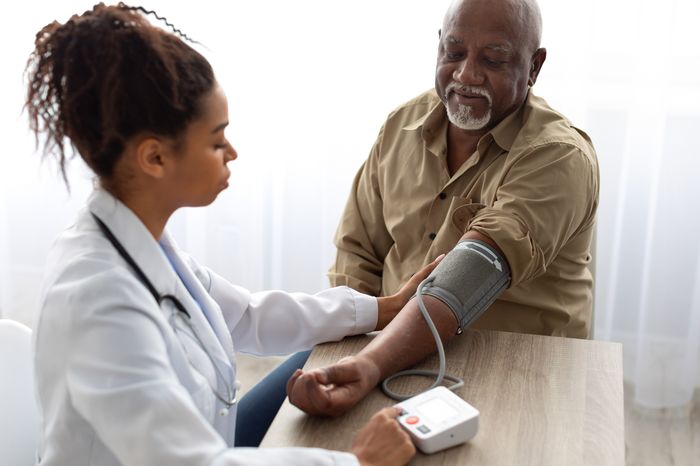
In the bustling urban landscape of New York, where the heartbeat of the city resonates with life’s every rhythm, a quiet yet powerful force is at work—one that holds the potential to shape destinies. Amid the towering skyscrapers and vibrant neighborhoods, the significance of early medical screenings shines brighter than ever. This proactive approach to healthcare, particularly in the context of the bustling metropolis of New York, can unearth hidden health threats and pave the way for interventions that hold the key to prolonged lives and enhanced well-being. This article will dive into how early detection can help save lives and also take a brief look at how a Longevity Center in New York fits into this equation.
Unveiling the Hidden Threats
Behind the veil of good health often lurk hidden threats. Diseases like cancer, diabetes, and heart conditions can simmer silently within the body, manifesting symptoms only when they’ve gained considerable ground. However, with the implementation of regular medical screenings, these lurking threats can be unmasked early on. By undergoing tests that scrutinize blood markers, tissue health, and vital organ functions, individuals can arm themselves with information that may lead to timely interventions.
Turning the Tide with Timely Intervention
Picture this: a small anomaly spotted on a routine scan. Seemingly inconsequential, yet harboring the potential to become a life-altering issue. This is where early detection truly shines. Identifying a problem in its infancy provides a precious window of opportunity for intervention. Medical professionals armed with early knowledge can deploy strategies to thwart the disease’s progress. From initiating targeted treatments to suggesting lifestyle modifications, early detection empowers patients and healthcare providers to steer the course toward a healthier future collaboratively.
The Transformative Effect on Treatment
Imagine facing a health crisis armed only with limited options. Now imagine the same scenario but armed with the foreknowledge gained through early detection. The difference is staggering. Detecting health issues early often opens up a wider array of treatment choices. If left unchecked, medical interventions that might be minimally invasive in the early stages could evolve into more aggressive measures. Early detection can mean the difference between a simple regimen of medications and a complex, invasive surgery.
Mitigating Health-Related Financial Strain
The burden of medical expenses can be overwhelming, especially when facing advanced-stage diseases. Early detection, however, can provide a means of alleviating some of this financial strain. Individuals can often opt for less expensive treatment options by catching health issues before they escalate. Furthermore, preventative measures and lifestyle changes recommended after early screenings can contribute to reducing the likelihood of costly medical interventions down the road.
Empowering Individuals to Take Charge
Empowerment lies at the heart of the early detection ethos. As individuals, people hold the key to their own well-being. Regular medical screenings put that key firmly in their hands. Armed with knowledge about their health status, they can make informed decisions about their lifestyles, habits, and medical choices. This knowledge fosters a sense of responsibility and encourages a proactive approach to health maintenance.
Building a Health-Conscious Society
One of the remarkable outcomes of embracing early detection is its potential to shape a health-conscious society. When individuals recognize the impact of early screenings on their longevity, they become ambassadors of this practice. A ripple effect is set in motion through sharing experiences, advocating for timely medical check-ups, and supporting policy changes that promote preventive healthcare. This ripple can extend to families, communities, and beyond, fostering a culture that places a premium on overall well-being.
Longevity Centers and Proactive Healthcare
Imagine stepping into a space where the sole purpose is to safeguard your well-being, not just for today but for the years to come. A Longevity Center in New York can offer precisely this promise. These centers are designed to serve as comprehensive health destinations, equipped with cutting-edge technology and a team of dedicated healthcare professionals. Through a range of specialized screenings and diagnostic tests, individuals thoroughly understand their health status, identifying potential concerns before they escalate.
Conclusion
In the grand tapestry of life, early detection emerges as a crucial thread, weaving its way through the fabric of human existence. By uncovering hidden threats, enabling timely interventions, expanding treatment options, mitigating financial strain, and empowering individuals, early medical screenings stand as a formidable ally in the quest for prolonged lives. Embrace this practice not only for your own benefit but also as a contribution to a healthier, more resilient society. Through early detection, you embark on a journey toward a future imbued with the promise of longevity and well-being.
Read Also
- Top Trends Shaping the Future of Mental Health Care
 Mental health care is moving fast to meet daily human needs. People want direct care that fits modern life. Clinics respond by creating flexible options that make healing easier to reach. Providers look past rigid habits to give people solid care. From smart tools to body wellness, these changes help people find relief when life… Read more: Top Trends Shaping the Future of Mental Health Care
 - Full-Arch Dental Tourism: Why UK Patients With Severe Bone Loss Are Looking AbroadDental implants have become one of the fastest-growing segments of private dentistry. Within that market, one patient group behaves very differently from the rest: people who have been told they do not have enough upper jawbone for conventional implants. For these patients, the choice is rarely between one clinic and another. It is between a… Read more: Full-Arch Dental Tourism: Why UK Patients With Severe Bone Loss Are Looking Abroad
- Levels of Mental Health Care and When to Seek SupportMental health care can range from occasional outpatient appointments to 24-hour hospital treatment. The appropriate level depends on safety, symptom severity, daily functioning, medical needs, available support, treatment history and personal preferences. A licensed clinician should assess these factors rather than relying on a symptom list alone. Need help now? In the United States, call… Read more: Levels of Mental Health Care and When to Seek Support
- How to Choose a Shilajit Brand Based on the ResearchIn a randomized trial published in the Journal of the International Society of Sports Nutrition in 2019, 63 active men took 250 mg of standardized shilajit, 500 mg, or a placebo every day for eight weeks, and the benefit for strength retention after a fatiguing workout appeared only at 500 mg. For anyone choosing a… Read more: How to Choose a Shilajit Brand Based on the Research
- How to Incorporate Relaxation into Your Busy ScheduleFinding balance when you have a packed daily agenda often feels out of reach. Between work duties, family obligations, and personal projects, personal rest usually gets pushed to the bottom of the list. Small, intentional shifts in daily habits can help restore calm without requiring hours of extra free time. Continue reading to discover everything… Read more: How to Incorporate Relaxation into Your Busy Schedule





