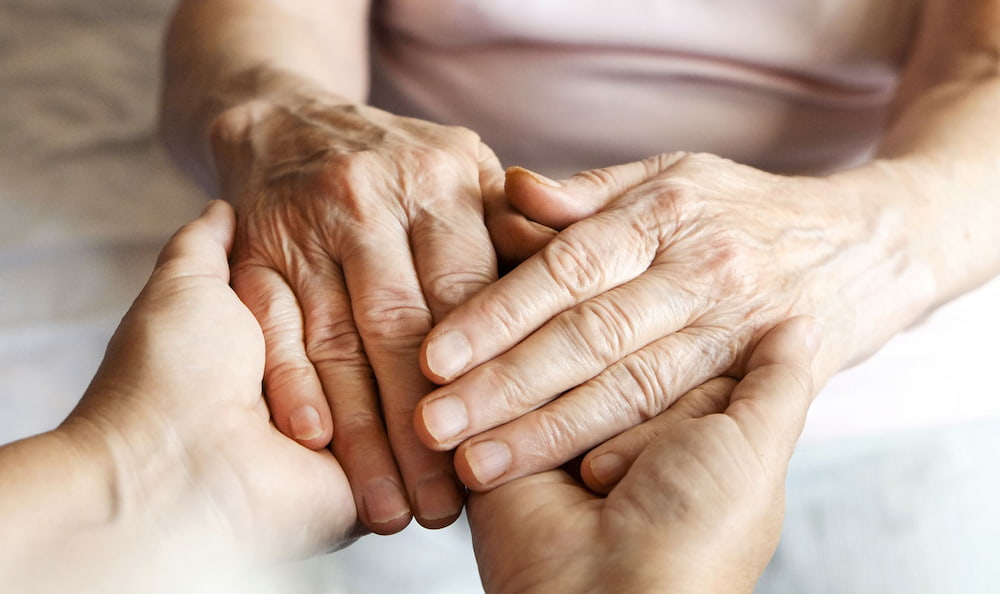
As loved ones get older, making sure that their well-being, health, and happiness are maintained is hugely important. Senior care homes, also known as assisted living facilities or retirement homes, offer a supportive and safe environment for seniors to live comfortably in their golden years. However, it can still be hard to make the decision to have loved ones move into such a facility, even when the person may know it’s a good place for them to go. Read on to find out more about the benefits of a senior care home, and you might find it easier to come to the right decision for your family.
Safety And Security
One of the biggest challenges a lot of people have when it comes to making sure their older loved ones are happy is their safety and security. They won’t be as mobile or steady on their feet as they once were, and if they fall, a bone can break much more easily and take longer to heal. Or it could be their cognitive functions are starting to fail, meaning they might wander or hurt themselves at home.
This is why a senior care home like Skylark Senior Care might come to mind in the first place, and it is a good idea. When your loved one is in a care home, they will be surrounded by caring healthcare professionals who can look after their medical needs and ensure they don’t get hurt. You can rest assured that your family member is taken care of and will be in the best hands when it comes to their health and safety.
Personalized Care
Senior care homes make sure to employ a dedicated team of caregivers who can give your loved one the personalized care and attention they need to be happy and healthy. They will understand each resident’s unique needs, whether that’s their physical or mental health (or both), and ensure they get any help they require because of it.
From help with activities that relate to daily living, such as bathing, dressing, and medication management, to specialized care for those who have particular medical conditions, the residents in a senior care home will get the individual attention they need to ensure they are happy and can thrive in their later years.
Social Interaction And Companionship
Isolation and loneliness are common challenges many older people have to face. Even if their family are very much involved in their lives, they will still also have lives of their own and might not be able to visit or phone as much as the older person might need them to. This can lead to depression and unhappy final years, even if it is really no one’s fault.
This problem can easily be tackled when an older person moves into a care home because they will find a whole new community of people they can spend time with (as much or as little as they want to). There will be various activities to take part in, as well as regular opportunities to socialize. This will combat feelings of loneliness and depression and promote overall happiness.
Read Also
- Understanding Spinal Health: The Key to a Pain-Free Life
 The human spine is the main support structure of your body. It keeps you standing tall, protects your delicate spinal cord, and lets you bend, twist, and walk easily every single day. Even though your back performs hard physical work daily, spinal health is often ignored until pain starts. Back stiffness, neck soreness, and sudden… Read more: Understanding Spinal Health: The Key to a Pain-Free Life
 - The Rise of Holistic Health: Integrating Mind, Body, and SpiritFinding balance in a fast-paced world often feels like a constant struggle. Many people spend years chasing quick fixes for their energy levels or mood swings, only to end up back at square one. Real wellness happens when every piece of your daily routine aligns. Focusing on the complete picture changes everything. Holistic health centers… Read more: The Rise of Holistic Health: Integrating Mind, Body, and Spirit
- Whitening, Bonding or Veneers? Matching the Right Cosmetic Treatment to Your SmilePeople rarely walk into a consultation asking for a specific procedure. They walk in with a complaint. My teeth look yellow in photos. There is a chip in my front tooth. One tooth sits behind the others. The job of a good cosmetic consult is translating that complaint into the least invasive treatment that actually… Read more: Whitening, Bonding or Veneers? Matching the Right Cosmetic Treatment to Your Smile
- Hair Transplant vs Non-Surgical Hair Restoration: How Clinics Decide the Right ApproachHair loss treatment is no longer limited to choosing between medication and surgery. Modern hair restoration clinics offer several options, including medical treatment, platelet-based procedures, laser therapy, scalp treatments and hair transplantation. Having more options can be helpful, but it can also make the decision confusing. A person with early thinning may assume that a… Read more: Hair Transplant vs Non-Surgical Hair Restoration: How Clinics Decide the Right Approach
- The Role of Prosthodontics in Modern Restorative DentistryRestorative dentistry brings together patient care and smart office management. Dental offices today face more requests for full-mouth fixes and cosmetic work. Adding advanced repair skills helps teams handle tough cases with more success. Dental groups that build these skills can offer more to their patients. This shift grows skills and keeps patients coming back.… Read more: The Role of Prosthodontics in Modern Restorative Dentistry
- Day Treatment for Mental Health in Pasadena: A Vital ResourceKey Takeaways In Pasadena, day treatment programs offer a flexible alternative to hospitalization, with approaches tailored to enhance recovery based on the needs of each individual. By focusing on personal strengths and vulnerabilities, personalized care strategies can significantly improve treatment outcomes. This active participation in treatment planning empowers clients in their recovery journeys. Participants in… Read more: Day Treatment for Mental Health in Pasadena: A Vital Resource