If you run a construction company, you know that maintaining a safe construction site is paramount. Accidents happen daily on construction sites nationwide, often with deadly consequences.
If your company has been involved in one or more construction site accidents, you know how devastating they can be. You also realize that if you can keep your construction workers as safe and accident-free as possible, your company will benefit in the long run.
Safety should always be a top concern whether you’re a seasoned professional or new to construction work. This comprehensive blog will cover the essential rules, procedures, and safety equipment needed for a safe construction site. Let’s get started.
Know Your Construction Sites
The first step is to learn about the special problems on construction sites. These places change a lot and have many things that could be dangerous. When you know what could go wrong with your construction project, you can do things to stop them.
This means making maps of possible dangers, checking often to make sure everything is safe, and teaching workers how to stay safe.
Prioritize Safety Equipment
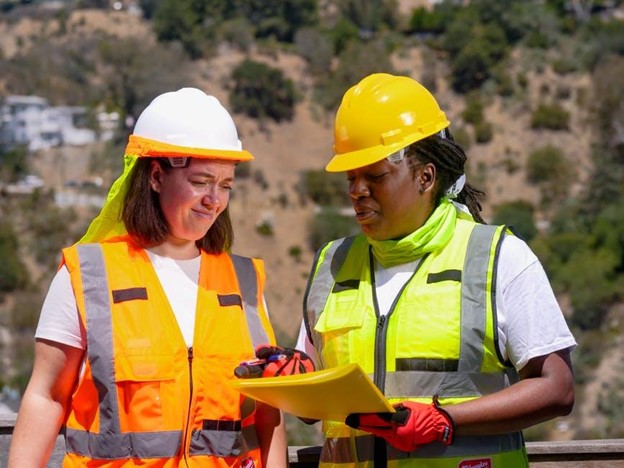
Making sure everyone has and wears safety gear is important for keeping a construction site safe. Workers need to wear things like hard hats, safety glasses, and bright vests all the time. These things protect them from things falling, flying pieces, and big machines hitting them.
Workers should also wear gloves and strong boots to keep their hands and feet safe from sharp things and other dangers. And when working up high, they should use strong platforms, straps, and nets to stop them from falling. When safety gear is a priority, construction sites become safe places for everyone to work.
Create an Emergency Response Plan
Having a well-designed emergency response plan is crucial for maintaining a safe construction site. The first essential is to identify and communicate potential hazards to all workers. This includes conducting regular safety inspections and providing proper training for emergency procedures.
A designated emergency coordinator and team should also be designated to oversee and facilitate emergency responses. Make sure all workers are aware of the plan, and conduct regular drills to ensure everyone knows how to react swiftly and safely in emergencies.
Shop for Construction First Aid
First aid supplies are crucial for addressing any injuries that may occur on-site. It is imperative to have a well-stocked first aid kit that includes bandages, gauze, disinfectant, and other necessary items. When you shop for construction first aid supplies, it is important to consider these essentials to ensure the well-being of all individuals on the site.
Accidents can happen, and having a well-stocked first aid kit on-site can make a world of difference. It’s a subtle yet essential way to ensure the safety and well-being of your construction team.
Training and Education
Teaching and learning are super important for keeping construction sites safe. Every worker should get good training about staying safe, like how to wear safety gear and handle dangerous stuff. They should also know what to do in emergencies and how to lift things safely to avoid getting hurt.
And it’s not just about learning once – it’s about keeping up with new safety rules and ways to stay safe. This doesn’t only stop accidents; it also makes sure everyone on the construction site cares about safety. When workers are trained and know stuff, it helps make sure the site stays safe, people don’t get hurt, and the work gets done on time and doesn’t cost too much.
Continuous training is key to maintaining a culture of safety on your construction site.
Communication and Reporting
Talking and telling are super important for keeping construction sites safe. Everyone, like the workers, bosses, and managers, should talk to each other clearly and simply. This helps find things that might be dangerous and fix them.
If something unsafe happens or almost happens, it’s also important to tell someone so they can make sure it doesn’t happen again. Having safety meetings can help make sure everyone understands what’s happening. This can also help workers know if there are any new safety rules.
Encourage open communication among your construction team. If someone notices a safety concern or a potential hazard, they should feel comfortable reporting it. Timely reporting can prevent accidents and ensure a safe working environment for all.
Environmental Considerations
Keeping a construction site safe means also taking care of the world around it. To do this, we need to do things that don’t hurt the environment. We should make sure any bad stuff, like chemicals and waste, is thrown away safely, so it doesn’t make the place dirty.
We also need to stop the ground from washing away and the dirty stuff from going into the water. Noise and dirty air are not good, so we should think about that too. And we should also keep homes for animals safe.
Construction sites can impact the environment. Be mindful of local regulations and ensure that your construction work does not harm the ecosystem. Implement eco-friendly practices whenever possible, such as recycling materials and minimizing pollution.
Regular Inspections and Maintenance
Checking things often and fixing them when needed is super important to keep everyone safe at work. First, you should make a plan for when to do these checks on machines, stuff, and the place itself. This helps find things that could be dangerous.
Also, remember to look at safety gear like helmets and vests. If they look old or broken, get new ones right away. And don’t forget to fix or change anything that doesn’t work right. When you do these checks and fix things, it stops accidents and makes work go better on the construction site.
Best Practices for a Safe Construction Site
To sum it up, making a safe construction site means getting ready, talking to each other, and following the rules. When construction site managers do these things, they can keep their workers safe and make sure accidents and injuries happen less often.
Let’s make safety a top priority on all construction sites! Remember, when it comes to safety, there is no compromise.
If you think this article is helpful, check out our other blogs!
Read Also
- Top Trends Shaping the Future of Mental Health Care
 Mental health care is moving fast to meet daily human needs. People want direct care that fits modern life. Clinics respond by creating flexible options that make healing easier to reach. Providers look past rigid habits to give people solid care. From smart tools to body wellness, these changes help people find relief when life… Read more: Top Trends Shaping the Future of Mental Health Care
 - Full-Arch Dental Tourism: Why UK Patients With Severe Bone Loss Are Looking AbroadDental implants have become one of the fastest-growing segments of private dentistry. Within that market, one patient group behaves very differently from the rest: people who have been told they do not have enough upper jawbone for conventional implants. For these patients, the choice is rarely between one clinic and another. It is between a… Read more: Full-Arch Dental Tourism: Why UK Patients With Severe Bone Loss Are Looking Abroad
- Levels of Mental Health Care and When to Seek SupportMental health care can range from occasional outpatient appointments to 24-hour hospital treatment. The appropriate level depends on safety, symptom severity, daily functioning, medical needs, available support, treatment history and personal preferences. A licensed clinician should assess these factors rather than relying on a symptom list alone. Need help now? In the United States, call… Read more: Levels of Mental Health Care and When to Seek Support
- How to Choose a Shilajit Brand Based on the ResearchIn a randomized trial published in the Journal of the International Society of Sports Nutrition in 2019, 63 active men took 250 mg of standardized shilajit, 500 mg, or a placebo every day for eight weeks, and the benefit for strength retention after a fatiguing workout appeared only at 500 mg. For anyone choosing a… Read more: How to Choose a Shilajit Brand Based on the Research
- How to Incorporate Relaxation into Your Busy ScheduleFinding balance when you have a packed daily agenda often feels out of reach. Between work duties, family obligations, and personal projects, personal rest usually gets pushed to the bottom of the list. Small, intentional shifts in daily habits can help restore calm without requiring hours of extra free time. Continue reading to discover everything… Read more: How to Incorporate Relaxation into Your Busy Schedule