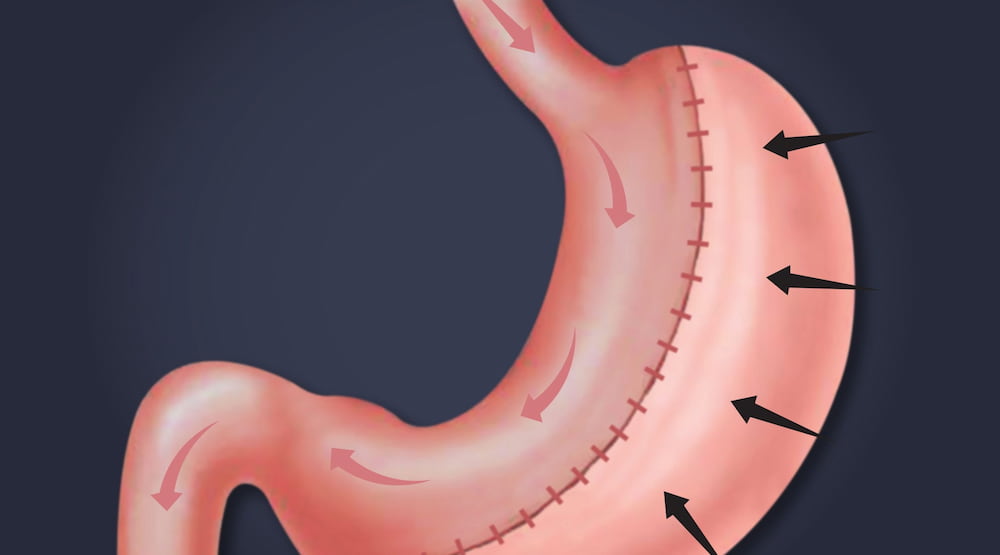
For individuals severely impacted by obesity not relieved through diet and fitness changes alone, vertical sleeve gastrectomy offers decisive surgical intervention when health declines sharply amidst prolonged struggles. This restrictive weight loss procedure reduces stomach volume to facilitate portion control and caloric reductions, yielding substantial, enduring results.
Through removing roughly 80% of the stomach, vertical sleeve gastrectomy leaves only a small, banana-shaped “sleeve” pouch capable of holding far less food while connecting directly to the small intestine. This forces lifestyle adherence to smaller, nutritionally dense meals consumed slowly, enabling weight loss through sustained caloric deficits.
It also provides rapid relief from obesity-fueled diseases if efforts towards lasting lifestyle changes are made. Still, a two-day hospital stay is monitored for bleeding, infection, and clot risks before most patients see discharge.
The Basics of Vertical Sleeve Gastrectomy
In vertical sleeve gastrectomy, surgeons remove about 80% of the stomach, leaving a tube-shaped portion or “sleeve.” This reduces stomach size so patients feel full quicker and consume fewer calories, leading to weight loss. It does not reroute intestines for more straightforward digestion.
Why Choose Vertical Sleeve Gastrectomy?
Patients opt for this surgery primarily to lose a significant amount of weight. In addition to weight loss, the procedure can also alleviate or improve related health conditions like type 2 diabetes, high blood pressure, and sleep apnea. It’s often considered when other weight loss methods, like diet and exercise, have failed to produce the desired results.
The Procedure Explained
Performed under general anesthesia, vertical sleeve gastrectomy is usually done laparoscopically, involving small incisions and a camera to guide the surgeon. The process takes about one to two hours. By removing a large part of the stomach, the amount of ghrelin (a hormone that stimulates appetite) produced is reduced, leading to less hunger and decreased calorie intake.
Recovery and Results
Patients typically spend one to two days in the hospital for monitoring post-surgery. Recovery involves gradually transitioning from liquid to solid foods and adhering to a strict diet plan to allow the new stomach structure to heal properly. Most patients experience significant weight loss within the first year after the procedure and improvements in obesity-related conditions.
Risks and Considerations
Like all surgeries, vertical sleeve gastrectomy comes with risks such as infection, bleeding, and potential complications related to anesthesia. Long-term risks include nutritional deficiencies, which require ongoing monitoring and supplementation. It’s crucial for patients considering this surgery to discuss all potential risks and benefits with their healthcare provider.
Conclusion
Vertical sleeve gastrectomy marks intense anatomical intervention when obesity severely impacts health over prolonged periods. Ideal candidates have BMIs exceeding 40 or 35 with life-threatening conditions exacerbated by excess weight yet unrelieved through less invasive means.
While coveted transformations seem realized rapidly through sustained lifestyle changes post-surgery, success depends on embracing this decision’s gravity mentally as much as physically. Stomach restriction opens the door; walking through it daily toward healthier relationships with food and longevity requires a lifelong psychological commitment to substantial behavioral changes.
Did you find this helpful? Check out our other helpful articles on our website.
Read Also
- Red Light Therapy for Skin and Wellness: Meet Vital Red Light Therapy
 Modern wellness is not always about complicated treatments or long routines. Many people are now looking for simple, convenient ways to support their skin, recovery, and overall wellness at home. One technology getting more attention is red light therapy. Red light therapy uses specific wavelengths of red and near-infrared light to support the body’s natural… Read more: Red Light Therapy for Skin and Wellness: Meet Vital Red Light Therapy
 - Managing Shock Loss After a Hair Transplant: The Financial and Clinical Imperative of Post-Op CareIn the rapidly evolving landscape of private healthcare, executive leadership within cosmetic and restorative surgery clinics faces a dual challenge: maintaining strict clinical standards while maximizing patient lifetime value (LTV) and brand advocacy. As the global medical tourism and elective procedure markets expand, clinical outcome quality alone is no longer the sole differentiator for premium… Read more: Managing Shock Loss After a Hair Transplant: The Financial and Clinical Imperative of Post-Op Care
- Transform Your Skin Health: Premier Gluta IV Therapy in DubaiThis comprehensive guide explores how modern intravenous wellness treatments can help revitalize your complexion, boost immune function, and support overall cellular health. By incorporating modern IV therapy Dubai services into a routine health regimen, individuals can achieve direct nutrient absorption for optimal results. Selecting a customized gluta IV drip Dubai treatment provides targeted antioxidant defense,… Read more: Transform Your Skin Health: Premier Gluta IV Therapy in Dubai
- The Evolution of Dental Prosthetics: Innovation in Oral HealthDental replacements have improved a lot over time. Smiling, chewing, and speaking depend on having healthy teeth. When teeth break or go missing, today’s options can restore both function and confidence. Modern techniques make these replacements feel and look completely natural. Ancient Roots Of Tooth Replacement People have tried to replace lost teeth for thousands… Read more: The Evolution of Dental Prosthetics: Innovation in Oral Health
- How to Support a Loved One with Mental Health IssuesWatching someone you care about struggle with their mental health is difficult: you might feel helpless, confused, or even frustrated. You cannot cure a mental health condition with a simple conversation or a hug, no matter how much you wish you could. Your support can be the difference between them feeling isolated and feeling understood.… Read more: How to Support a Loved One with Mental Health Issues
- Understanding Endometriosis: Causes, Symptoms, and Treatment OptionsMillions of people around the world deal with pelvic health problems. Many spend years looking for answers about ongoing pain or fertility issues. Understanding your health can help you speak up and get better care. Managing pelvic pain starts with knowing the causes and treatment options. Learning about symptoms also helps you decide when to… Read more: Understanding Endometriosis: Causes, Symptoms, and Treatment Options
- Choosing the Right Treadmill for Your Body and Fitness GoalsFinding a quality home treadmill means looking closely at your height, weight, and training routine. Standard gym equipment rarely offers a one-size-fits-all experience for every unique body shape. Shopping with specific physical dimensions in mind helps you pick a machine that supports long-term health. Selecting the right unit requires balancing horsepower, frame dimensions, and deck… Read more: Choosing the Right Treadmill for Your Body and Fitness Goals
- Understanding Spinal Health: The Key to a Pain-Free LifeThe human spine is the main support structure of your body. It keeps you standing tall, protects your delicate spinal cord, and lets you bend, twist, and walk easily every single day. Even though your back performs hard physical work daily, spinal health is often ignored until pain starts. Back stiffness, neck soreness, and sudden… Read more: Understanding Spinal Health: The Key to a Pain-Free Life