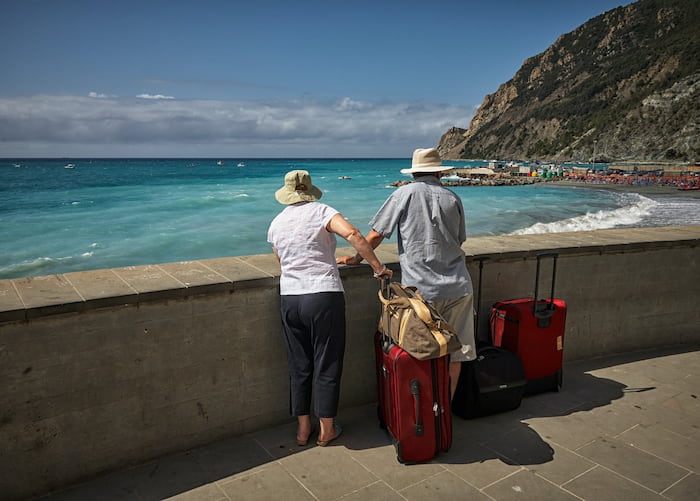
Vacations give us a much-needed break from the busyness of our daily lives. We all need time to recharge and refresh, and traveling is often the best way to achieve this. Everyone deserves a vacation, even our parents, who may not be in their prime anymore.
Life can get lonely for them, and they long for a little bit of excitement and adventure in their lives. Sadly, over 53% of people over the age of 60 have not traveled for leisure or otherwise. A number of factors account for this, including health, money, and shifting priorities.
That said, taking your elderly parents along with you on vacation can be transformative for them. Traveling tends to show us that life always has something new to offer. However, before you invite them on a journey, you should prepare.
Traveling for older people warrants a bit of care and attention. In this article, we will explore five important safety tips you should keep in mind. So, without further delay, let’s dive right in.
1. Ensure Travel is Seamless
Transporting elderly, long distance or otherwise, requires some consideration.
When booking flights or other means of long-distance travel, look for airlines and providers that offer services catering to passengers with special needs.
CienOne rightly states that the elderly lean on family members for support during travel. Just as they sometimes need help to visit the doctor, they will also need help when traveling.
For elderly people, dealing with multiple transfers and layovers can be stressful and exhausting. Whenever possible, book direct flights. They may be a little more expensive, but they are worth it. On the flight, you can also inform the airline staff if your parents have any special needs.
2. Find Out What Their Doctors Say
You may have already done so, but a comprehensive health assessment by your parent’s healthcare provider is essential. Remember, there is no point in talking about a trip and making them excited, only to later hear their doctor doesn’t recommend travel.
A health assessment will look at how travel might affect pre-existing health conditions and how to handle medication during the trip. Depending on the destination of your vacation, healthcare providers may recommend specific vaccinations or health precautions.
Once you get the go-ahead from a medical professional, you can start preparing for other steps.
3. Ensure Medication Regularity
If your parent has a chronic medical condition like diabetes or heart disease, medication is extremely important. To be specific, consistent medication is critical. This means no skipping or delaying pills. Following a prescribed medication regimen as directed by their physician is essential to maximizing the efficacy of the treatment.
Irregularity can render the medication less effective or even lead to treatment failure. It can be easy for your parents to forget to take their medicines due to feeling tired or exhausted on a trip. Thus, it would be ideal if you kept track of their medication intake while on vacation.
4. Slow Down
Slowing down the pace of your trip when vacationing with elderly parents is not just an option; it is a necessity. Most elderly people have physical limitations that affect mobility and stamina. Slowing down allows them to keep up and prevent overexertion, fatigue, or discomfort.
Traveling at a more leisurely pace also reduces stress for both you and your parents. Slower travel allows you to focus on safety and avoid slips, falls, and exhaustion.
5. Have An Emergency Backup Plan
Traveling with elderly parents can be challenging due to potential health-related issues. Accidents and health issues can occur at any time, as elderly parents are more susceptible to health problems. Having an emergency plan in place offers peace of mind.
You should maintain a comprehensive list of emergency contacts, including local healthcare providers and your parents’ primary care physicians. You can also include friends or personal contacts who should be informed in case of an emergency in this list.
While traveling, it can also be wise to contact local support services catering to elderly individuals in advance. These services can offer assistance in emergencies or during unplanned situations.
Conclusion
At the end of the day, remember to have fun. Safety is important, but you also don’t want to stress them out by constantly focusing on their health. Take care of their needs discretely, and let them forget their cares for a while.
You never know if this will be the last vacation you have with them, so focus on making good memories. In the future, even if health issues hinder travel, they will always cherish the exciting moments they spent with you.
Did you find this article helpful? You can check out our website for more awesome content like this.
Read Also
- Levels of Mental Health Care and When to Seek Support
 Mental health care can range from occasional outpatient appointments to 24-hour hospital treatment. The appropriate level depends on safety, symptom severity, daily functioning, medical needs, available support, treatment history and personal preferences. A licensed clinician should assess these factors rather than relying on a symptom list alone. Need help now? In the United States, call… Read more: Levels of Mental Health Care and When to Seek Support
 - How to Choose a Shilajit Brand Based on the ResearchIn a randomized trial published in the Journal of the International Society of Sports Nutrition in 2019, 63 active men took 250 mg of standardized shilajit, 500 mg, or a placebo every day for eight weeks, and the benefit for strength retention after a fatiguing workout appeared only at 500 mg. For anyone choosing a… Read more: How to Choose a Shilajit Brand Based on the Research
- How to Incorporate Relaxation into Your Busy ScheduleFinding balance when you have a packed daily agenda often feels out of reach. Between work duties, family obligations, and personal projects, personal rest usually gets pushed to the bottom of the list. Small, intentional shifts in daily habits can help restore calm without requiring hours of extra free time. Continue reading to discover everything… Read more: How to Incorporate Relaxation into Your Busy Schedule
- Red Light Therapy for Skin and Wellness: Meet Vital Red Light TherapyModern wellness is not always about complicated treatments or long routines. Many people are now looking for simple, convenient ways to support their skin, recovery, and overall wellness at home. One technology getting more attention is red light therapy. Red light therapy uses specific wavelengths of red and near-infrared light to support the body’s natural… Read more: Red Light Therapy for Skin and Wellness: Meet Vital Red Light Therapy
- Managing Shock Loss After a Hair Transplant: The Financial and Clinical Imperative of Post-Op CareIn the rapidly evolving landscape of private healthcare, executive leadership within cosmetic and restorative surgery clinics faces a dual challenge: maintaining strict clinical standards while maximizing patient lifetime value (LTV) and brand advocacy. As the global medical tourism and elective procedure markets expand, clinical outcome quality alone is no longer the sole differentiator for premium… Read more: Managing Shock Loss After a Hair Transplant: The Financial and Clinical Imperative of Post-Op Care