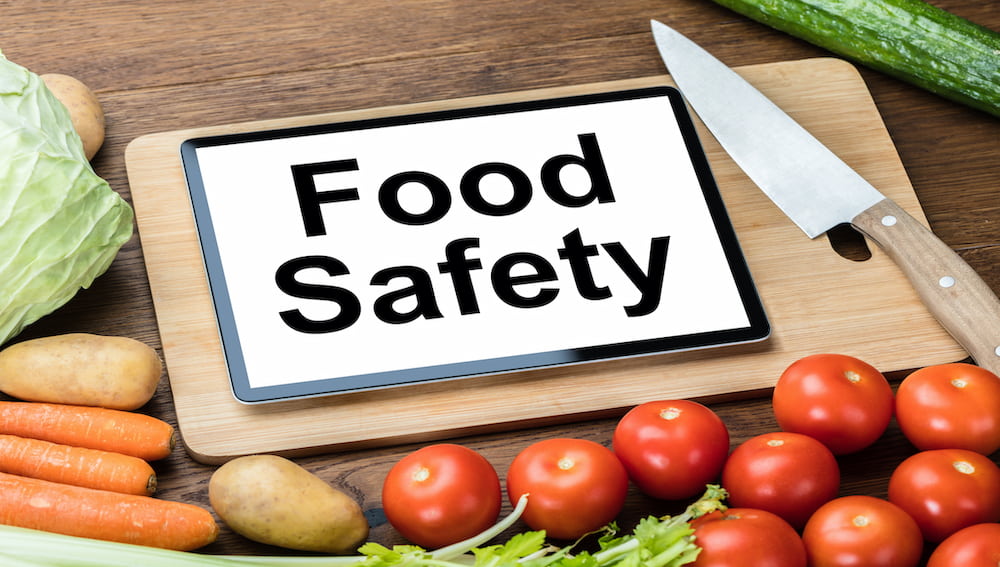
Although the United States food supply is incredibly safe, around one in six Americans end up with food poisoning every year. Food poisoning occurs when your food is contaminated by nasty bacteria (like staphylococcus or E. coli), which is commonly caused by improper food handling or storage. Food hygiene at home therefore shouldn’t be an afterthought. By taking key food hygiene steps, you can better keep your kitchen hygienic and your food safe and fresh.
Keep Your Refrigerator at the Right Temperature
Keeping your fridge at the right temperature is essential for keeping bad bacteria at bay and, consequently, preventing the risk of food poisoning.
The ideal temperature for your refrigerator, according to the FDA, is at or below 40°F – however, by keeping it even lower at between 35°F-38°F, you can better protect your food from harmful bacteria (once it gets any warmer than 40°F, bacteria starts multiplying fast). 35°F-38°F is as cold as your food can get without freezing. In fact, temperatures any higher than this may even be too warm for your refrigerator (particularly if the in-built temperate gauge isn’t truly accurate).
In that case, you’ll also find the contents of your fridge goes off too fast, which in turn can cause tummy upsets thanks to bacteria like E. coli and Salmonella.
Prevent Pests
One essential aspect of maintaining food safety in your kitchen is ensuring proper pest control measures are in place, such as contacting a reliable pest control company like pest control Columbus Oh to handle any infestations.
As many as 124 million households across the U.S. have reported seeing roaches in their homes in the past year, while 14.8 million have seen rodents. Pests carry a host of diseases, as well as the potential to damage your home.
Pest prevention should therefore be a key priority for everyone. So, for example, be sure to wipe down your counters regularly to ensure there’s no lingering crumbs or spills. Peanut butter, in particular, is a huge magnet for cockroaches and rodents.
You should keep the outside of the jar clean, and store it safely away in a closed cupboard. Ideally, you should also store dried foods like flours, grains, and seeds in food-safe jars or Tupperware; packets can be easy to spill and are tempting for pests.
Wash your Dish Towels Regularly
You may not realize it, but your dish towels are major breeding grounds for bacteria, particularly if they’re damp. It’s therefore crucial to wash them regularly.
Ideally, you want to wash your dish towels at 140°F or hotter (just be careful not to exceed the maximum temperature stated on the care label).
The high heat ensures bacteria and other nasties are killed successfully. Similarly, your washing-up sponges also harbor harmful bacteria, so you’ll also need to wash these just as often.
For example, you can soak them in an antibacterial sterilizing solution, before writing them out, and leaving them to air dry. You may also want to invest in sponges that can be machine washed at high heats like 140°F.
Food hygiene should be a key consideration in every kitchen. By keeping your refrigerator at the right temperature, preventing pests, and washing your dish towels regularly, you can prevent unwanted pests and germs and keep your kitchen safe.
Read Also
- Top Trends Shaping the Future of Mental Health Care
 Mental health care is moving fast to meet daily human needs. People want direct care that fits modern life. Clinics respond by creating flexible options that make healing easier to reach. Providers look past rigid habits to give people solid care. From smart tools to body wellness, these changes help people find relief when life… Read more: Top Trends Shaping the Future of Mental Health Care
 - Full-Arch Dental Tourism: Why UK Patients With Severe Bone Loss Are Looking AbroadDental implants have become one of the fastest-growing segments of private dentistry. Within that market, one patient group behaves very differently from the rest: people who have been told they do not have enough upper jawbone for conventional implants. For these patients, the choice is rarely between one clinic and another. It is between a… Read more: Full-Arch Dental Tourism: Why UK Patients With Severe Bone Loss Are Looking Abroad
- Levels of Mental Health Care and When to Seek SupportMental health care can range from occasional outpatient appointments to 24-hour hospital treatment. The appropriate level depends on safety, symptom severity, daily functioning, medical needs, available support, treatment history and personal preferences. A licensed clinician should assess these factors rather than relying on a symptom list alone. Need help now? In the United States, call… Read more: Levels of Mental Health Care and When to Seek Support
- How to Choose a Shilajit Brand Based on the ResearchIn a randomized trial published in the Journal of the International Society of Sports Nutrition in 2019, 63 active men took 250 mg of standardized shilajit, 500 mg, or a placebo every day for eight weeks, and the benefit for strength retention after a fatiguing workout appeared only at 500 mg. For anyone choosing a… Read more: How to Choose a Shilajit Brand Based on the Research
- How to Incorporate Relaxation into Your Busy ScheduleFinding balance when you have a packed daily agenda often feels out of reach. Between work duties, family obligations, and personal projects, personal rest usually gets pushed to the bottom of the list. Small, intentional shifts in daily habits can help restore calm without requiring hours of extra free time. Continue reading to discover everything… Read more: How to Incorporate Relaxation into Your Busy Schedule
- Red Light Therapy for Skin and Wellness: Meet Vital Red Light TherapyModern wellness is not always about complicated treatments or long routines. Many people are now looking for simple, convenient ways to support their skin, recovery, and overall wellness at home. One technology getting more attention is red light therapy. Red light therapy uses specific wavelengths of red and near-infrared light to support the body’s natural… Read more: Red Light Therapy for Skin and Wellness: Meet Vital Red Light Therapy
- Managing Shock Loss After a Hair Transplant: The Financial and Clinical Imperative of Post-Op CareIn the rapidly evolving landscape of private healthcare, executive leadership within cosmetic and restorative surgery clinics faces a dual challenge: maintaining strict clinical standards while maximizing patient lifetime value (LTV) and brand advocacy. As the global medical tourism and elective procedure markets expand, clinical outcome quality alone is no longer the sole differentiator for premium… Read more: Managing Shock Loss After a Hair Transplant: The Financial and Clinical Imperative of Post-Op Care
- Transform Your Skin Health: Premier Gluta IV Therapy in DubaiThis comprehensive guide explores how modern intravenous wellness treatments can help revitalize your complexion, boost immune function, and support overall cellular health. By incorporating modern IV therapy Dubai services into a routine health regimen, individuals can achieve direct nutrient absorption for optimal results. Selecting a customized gluta IV drip Dubai treatment provides targeted antioxidant defense,… Read more: Transform Your Skin Health: Premier Gluta IV Therapy in Dubai