

Although I’m not a doctor, having lived through enough post-hurricane mold outbreaks to know which symptoms send people to the ER in Miami, Fort Lauderdale, and West Palm Beach—and which ones linger for years.
Immediate Reactions (hours to days)
Allergic-type response (most common): Runny nose, red itchy eyes, sneezing, sinus pressure that feels like a permanent cold. Down here it hits fast because the spore count after a flood can be 50–100× higher than normal outdoor air. People think they have “cedar fever” until they leave the house for two days and suddenly breathe fine.
Asthma attacks: If you already have asthma or your kid does, toxic black mold (Stachybotrys) and certain Aspergillus species are triggers that can put you in the ambulance. I’ve watched neighbors who “never had asthma” end up on nebulizers after sleeping in a house that sat wet for a week.
Skin rashes: Direct contact with wet drywall or belongings can cause red, itchy welts—especially on kids who are crawling around cleaning up.
Longer-Term or Severe Exposure (weeks to months)
Chronic sinus infections that won’t go away: ENT doctors in South Florida see this constantly after storms. Fungal balls (mycetomas) form in the sinuses; some people end up needing surgery.
Hypersensitivity pneumonitis (“mold lung”): It’s rare, but very real. Feels like walking pneumonia that never quite clears. Farmers get it from hay; we get it from houses that weren’t dried properly. Symptoms: shortness of breath, fatigue, low-grade fever, dry cough.
Immune suppression and weird infections: Heavy, prolonged black mold exposure (think sleeping in a heavily contaminated bedroom for months) can make you catch everything that goes around. Some Aspergillus and Penicillium species produce mycotoxins that suppress white blood cell function.
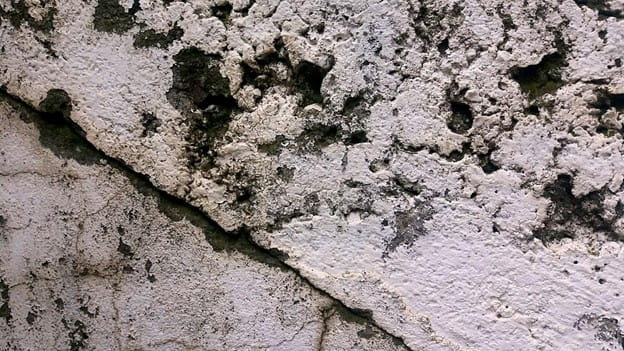
Toxic effects (the controversial one): Stachybotrys chartarum (the infamous “black mold”) produces mycotoxins like trichothecenes. Most healthy adults clear them without issue, but infants, elderly, and chemo patients can get very sick—nosebleeds, memory problems, headaches, dizziness, and in extreme documented cases, pulmonary hemorrhage in babies. Doctors argue about how common this is, but every pediatric pulmonologist in Miami knows not to mess around with Stachybotrys in a nursery.
Who’s Actually at Risk
High-risk groups down here:
- Infants under 12 months
- Anyone on chemotherapy or immunosuppressants
- Elderly with COPD or heart failure
- Uncontrolled asthmatics
- People with chronic sinus issues or cystic fibrosis
If you’re a healthy 35-year-old, you’ll probably just feel miserable for a while. If you’re in one of the groups above, even moderate black mold exposure can land you in the hospital.
Real Life Experience with Black Mold Exposure
I’ve never met anyone who “got used to” living with visible mold in their home. The illness symptoms always get worse, never better. The fastest way to feel human again is to get out of the house until it tests clean. Hotels, family, FEMA trailers—whatever it takes. Breathing well is non-negotiable for your health and peace of mind—always.
If someone in your house suddenly can’t shake a cough, wheezes at night, or a baby keeps getting unexplained nosebleeds after a storm, do not wait. Get them out and get the house tested by an actual industrial hygienist, not just the mold remediation company (they might have a conflict of interest).
Your lungs and overall health will thank you big time for many years to come.
Were you satisfied with the information in this article? If yes, our blog offers even more valuable resources.
Read Also
- Movement Momentum: 5 Ways to Build More Activity Into a Desk-Bound Day
 You’ve been working flat out for eight hours, your brain’s exhausted, and somehow your legs have done practically nothing. Office work has become incredibly convenient in that respect. Most things can be done without leaving your chair, including quite a few things that used to involve walking across the building. Good for productivity, perhaps. Not… Read more: Movement Momentum: 5 Ways to Build More Activity Into a Desk-Bound Day
- Long Term Health Effects Of Tooth LossLosing an adult tooth can change your daily life. Chewing becomes harder, speaking may feel different, and smiling can become uncomfortable. Many people think tooth loss only affects their appearance. However, missing teeth can affect much more than your smile. Your mouth plays an important role in your overall health. When you lose a tooth,… Read more: Long Term Health Effects Of Tooth Loss
- How to Set Up a Sleep Friendly Bedroom for Recovery at HomeRest is one of the simplest parts of recovery, yet it is often the hardest to get at home. After surgery, an illness, or a hospital stay, many people go back to a bedroom that was never designed for healing. Light from the street, early sun, and a busy household can all cut sleep short… Read more: How to Set Up a Sleep Friendly Bedroom for Recovery at Home
- Piles Clinic in Singapore: Symptoms, Treatment Options and When to See a SpecialistHaemorrhoids, commonly known as piles, are a frequent condition affecting the veins around the lower rectum and anus. They can cause discomfort, itching, swelling and bleeding, making everyday activities such as sitting and passing stools uncomfortable. Although mild cases may improve with dietary and lifestyle changes, persistent or advanced haemorrhoids sometimes require medical procedures or… Read more: Piles Clinic in Singapore: Symptoms, Treatment Options and When to See a Specialist
- What You Need to Know About Dental FluorosisHave you noticed chalky white spots on your teeth when you look in the mirror? You might have a common condition called dental fluorosis, which drastically changes the way your tooth enamel looks. This mostly happens when young children consume too much fluoride while their adult teeth actively grow beneath the gums. While fluoride undoubtedly… Read more: What You Need to Know About Dental Fluorosis
- What Makes Permanent Tooth Replacement A Life-Changing Option?Missing teeth can cause serious discomfort and lower your self-esteem. Many people struggle with everyday tasks like eating meals and speaking clearly to friends. Traditional dentures offer a quick fix but often slip or feel completely unnatural. A modern approach provides a secure fit that feels exactly like real teeth – giving you true peace… Read more: What Makes Permanent Tooth Replacement A Life-Changing Option?
- Where to Find Reliable Mental Health Support for TeensHave you noticed changes in your teen’s mood, sleep, or behavior that leave you worried? Growing up can bring stress from school, friends, family, and new demands. Some teens may struggle to share their feelings or ask for help, even when they need support. Finding the right mental health support for teens can help them… Read more: Where to Find Reliable Mental Health Support for Teens
- Top Trends Shaping the Future of Mental Health CareMental health care is moving fast to meet daily human needs. People want direct care that fits modern life. Clinics respond by creating flexible options that make healing easier to reach. Providers look past rigid habits to give people solid care. From smart tools to body wellness, these changes help people find relief when life… Read more: Top Trends Shaping the Future of Mental Health Care