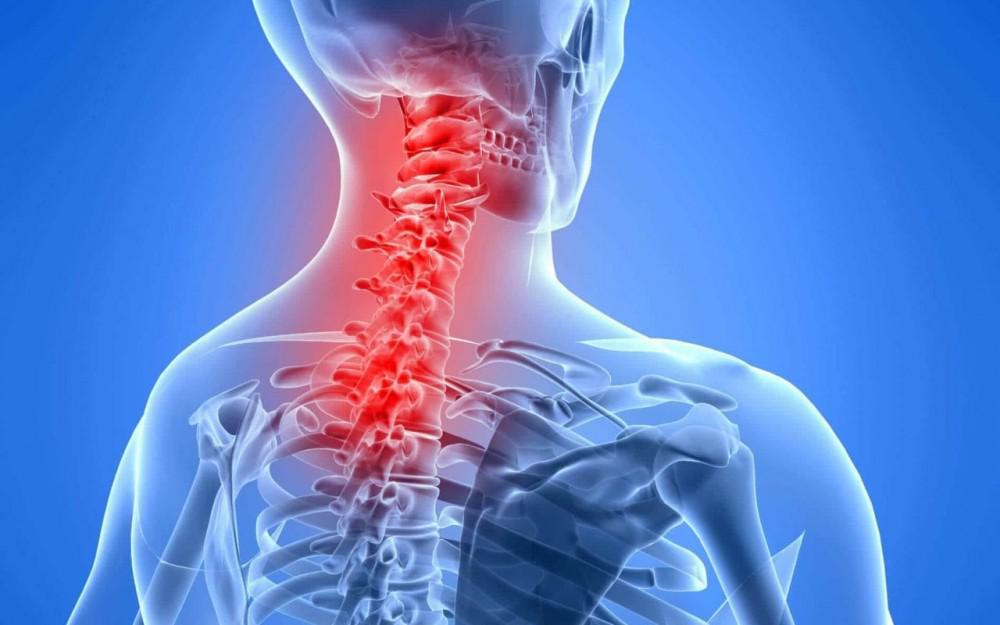
Neck pain is a common health condition in many people. While it can be effectively managed in its acute stage, some neck pains, like low back pain, have a high rate of recurrence – about 50% rate as shown by the 2015 Mayo Clinic Symposium On Pain Medicine.
Knowing the sign of neck pain and reducing the risk of recurrent problems is critical for effective treatment.
Neck pain is a unique condition, so a treatment plan and individual assessment are needed for efficient and effective management.
This pain can also severely affect one’s daily life and hinder them from accomplishing even simple tasks. It can even cause anxiety for some people since the neck is very close to the brain; hence, addressing this the soonest is imperative.
An orthopedic spine specialist plays a vital role in evaluating and treating neck pain, conducting a thorough assessment, including a physical examination and diagnostic imaging, to identify the underlying cause. They then create a tailored treatment plan, which may involve conservative measures such as physical therapy and medication or more invasive options like injections or surgery if needed. Prompt and comprehensive intervention is essential to alleviate pain and associated anxiety.
In this article, we will be discussing the three different types of neck pain and how to diagnose them.
The Three Types of Neck Pain
1- Non-Specific Mechanical Neck Pain
This neck pain covers a huge majority of the neck pain issues. It is a pain felt around the neck, either on one side of the neck or on both sides.
It is not unusual for you to experience pain running down to the shoulders, around the shoulder blade, and sometimes towards the upper arm.
Sometimes, this neck pain is accompanied by headaches. The pain may vary – it may be mild or severe, dull or achy, sharp or pinching, or a mixture of all.
You don’t usually experience loss of strength, muscle weakness, pins-and-needles, or numbness. It does not also extend to the arms – only to the upper part at most.
This pain is caused by structures like the ligaments, muscles, discs, and joints. No specific trauma or incidence set the pain off.
The pain usually worsens by some movements, such as turning to check one’s blind spot when driving, carrying luggage on the shoulder, or looking down or up.
You can also feel pain when sitting, particularly if you are in a slouched position, which has been shown to aggravate the pain. You may even get neck pain by moving your head or yawning.
Specialists point out that this pain could stem from poor posture, the overuse of the neck muscle, and sometimes stress. The remedy for this pain can be as simple as correcting one’s posture, applying a hot or cold compress, and taking OTC pain medications.
If you always experience this, a chiropractor can help restore your posture and align your spine.
Chiropractor specialize in the biomechanical and structural integrity of the spine and its effect on various body parts. Their treatment focuses on reinstating normal spine function so patients can live pain–free daily lives.
2- Radicular Neck Pain
This type of neck pain is also known as cervical nerve root pain or a pinched nerve.
Though physiotherapists come across patients with this pain more, it is not as common as Non-specific mechanical pain.
It produces pain down the arm and in the neck and sometimes towards the fingers and hand.
The pain starts when a nerve is compressed as it leaves the spine, which causes pain to be referred down the nerve course as it goes down the arm.
The neck (lower cervical spine levels) is the most affected; the upper levels can also become involved.
The standard way a nerve can be compressed or pinched is by degenerative changes in the neck.
This narrows the nerve canal that leaves the spine. This occurs due to certain changes in the bony part of the vertebra known as osteophytes.
Sometimes, it is due to loss of disc height or disc bulges. Some specific postures, movements, or positions, such as slouching that reduce the canal size, can also increase the pain and spread it down the arm.
The nerve compression usually produces several neurological symptoms like pins-&-needles/tingling, numbness, and muscle weakness.
The pain is usually shooting and sharp and can be very severe at times.
Radicular neck pain can be excruciatingly painful because of a herniated disc. This can often be an early sign of degeneration.
Years of improper muscle use and athletic injuries cause the disc to bulge and eventually rupture.
Physiotherapy can help manage the pain for this type of neck pain. Still, if it doesn’t make any significant changes, another option would be an epidural injection of steroids to help reduce inflammation and pain.
Surgery to relieve the pressure on the affected nerve is the last resort to improve the patient’s quality of life.
3- Serious Neck Pathology
This neck pain is rare, and it makes up less than one percent of neck pain cases. It includes inflammatory infections or conditions, cancer/tumors, and broken bones (spinal fractures).
If you have had surgery in your neck, the doctor will advise you to go for physiotherapy sessions as part of the post-operative care. This will help you get your normal movement back and strengthen the neck muscles as well.
Physiotherapists and doctors use specific screening tests to diagnose severe potential neck pathology. If there is any cause for alarm, you will be referred for further diagnosis.
These tests include assessing neck range of motion, performing flexion and extension tests, conducting a neurological examination to test reflexes, strength, and sensation, and using imaging techniques like X-rays, CT scans, and MRI scans for visualization. Palpation is also employed to identify muscle tension or trigger points. Specialized tests, such as Spurling’s test, Tinel’s sign, Lhermitte’s sign, and assessments of swallowing and voice changes, can help pinpoint specific issues.
Additionally, vascular assessments are performed to check for signs of vascular problems. These screening tests, combined with a comprehensive medical history and physical examination, aid in identifying severe neck pathology, guiding further evaluation, and tailoring appropriate treatment plans as needed. Depending on the results, additional tests or consultations with specialists, like an orthopedic spine doctor, may be recommended for a conclusive diagnosis and optimal management.
Read Also
- Transform Your Skin Health: Premier Gluta IV Therapy in Dubai
 This comprehensive guide explores how modern intravenous wellness treatments can help revitalize your complexion, boost immune function, and support overall cellular health. By incorporating modern IV therapy Dubai services into a routine health regimen, individuals can achieve direct nutrient absorption for optimal results. Selecting a customized gluta IV drip Dubai treatment provides targeted antioxidant defense,… Read more: Transform Your Skin Health: Premier Gluta IV Therapy in Dubai
 - The Evolution of Dental Prosthetics: Innovation in Oral HealthDental replacements have improved a lot over time. Smiling, chewing, and speaking depend on having healthy teeth. When teeth break or go missing, today’s options can restore both function and confidence. Modern techniques make these replacements feel and look completely natural. Ancient Roots Of Tooth Replacement People have tried to replace lost teeth for thousands… Read more: The Evolution of Dental Prosthetics: Innovation in Oral Health
- How to Support a Loved One with Mental Health IssuesWatching someone you care about struggle with their mental health is difficult: you might feel helpless, confused, or even frustrated. You cannot cure a mental health condition with a simple conversation or a hug, no matter how much you wish you could. Your support can be the difference between them feeling isolated and feeling understood.… Read more: How to Support a Loved One with Mental Health Issues
- Understanding Endometriosis: Causes, Symptoms, and Treatment OptionsMillions of people around the world deal with pelvic health problems. Many spend years looking for answers about ongoing pain or fertility issues. Understanding your health can help you speak up and get better care. Managing pelvic pain starts with knowing the causes and treatment options. Learning about symptoms also helps you decide when to… Read more: Understanding Endometriosis: Causes, Symptoms, and Treatment Options
- Choosing the Right Treadmill for Your Body and Fitness GoalsFinding a quality home treadmill means looking closely at your height, weight, and training routine. Standard gym equipment rarely offers a one-size-fits-all experience for every unique body shape. Shopping with specific physical dimensions in mind helps you pick a machine that supports long-term health. Selecting the right unit requires balancing horsepower, frame dimensions, and deck… Read more: Choosing the Right Treadmill for Your Body and Fitness Goals