Have you heard about essential oils? From casual users to those who swear by its life-changing benefits, these products have caused quite a stir in the health and beauty industry. Although they are not a new invention, new uses for the product have ushered in new possibilities for many brands, particularly in the skincare sphere.
Essential oils can potentially bring you and your skin many benefits when used right. Depending on your skin’s needs, there may just be an essential oil for it. As with trying out most new products, you must learn more about them before testing them out to ensure your safety. With that in mind, here are four things you should know about using essential oils on your skin.
What Exactly Are Essential Oils?
Essential oils are generally considered to be plant extracts concentrated into oils. A more technical, in-depth definition of them would be volatile compounds processed through an array of methods, including steam distillation, solvent extraction, enfleurage, maceration, pressing, and many more. The potential effects of the oils produced from such processes are highly dependent on the plants and flowers they are made with, as they are highly concentrated versions of these various main ingredients.
Essential oils and their professed properties have garnered much scrutiny and discussion in the medical world. While many are skeptical, some experts swear by them. Many researchers assert that not only are essential oils safe for usage, but they are also able to bring many positive benefits to your skin, aside from just being the mere scents they’re widely known to be. All in all, wholesale essential oils are concentrated extracts that can help lead your skin to better days, depending on how you and your doctor can capitalize on them to suit your needs.
Why Use Essential Oils On Your Skin?
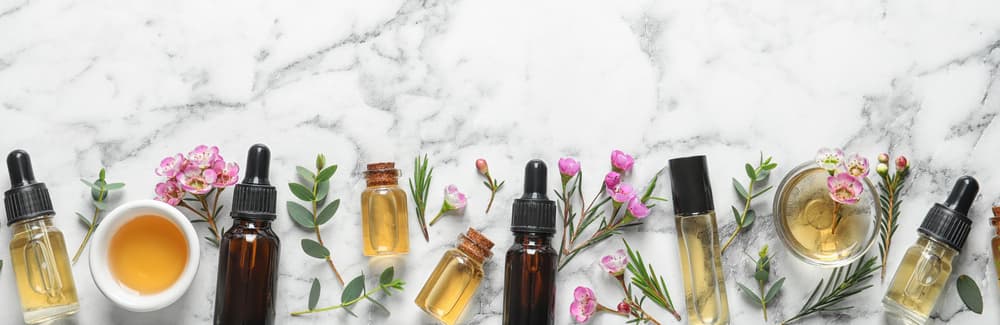
Essential oils promise to bring many benefits to one’s skin. Some claim to help with insomnia, inflammation, hair growth, and body pain and provide relief for certain sores according to this helpful post. Similarly, some also claim that they can add value to your beauty routine by promising moisture-locking effects, antimicrobial properties, and being vitamin and antioxidant-enriched, among other things.
When met with such promises, the general rule of thumb should be if it’s too good to be true, it probably isn’t. Although there is no need to be highly cynical about essential oils, as some are backed with sound research, it is also just as vital that you are still careful and selective with the oils you start to use on your skin. Overall, with proper research and enough expert consultations, you can consider incorporating essential oils into your skincare.
Essential Oils On Skin
Many essential oils on the market today are crafted to be used directly on the skin. They claim to boost your skin’s health and facilitate healing, among other benefits. These said essential oils not only come in actual oils, but also lotions, soaps, lathers, hair treatments, and many more.
If you’re keen on trying out essential oils directly on your skin, consider doing patch tests first with the oils and products you want to use. Because it is hard to predict how exactly your skin will react to certain oils, it is always advisable to do said patch tests first and then observe them before incorporating the essential oils into your daily routine.
Indirect Applications of Essential Oils
The indirect usage of essential oil usually pertains to its diffusion in the air. You inhale its scent and more as you diffuse oils in the room through humidifiers. They are also additives to baths, and some steam treatments can also make use of essential oils. Many also choose to dilute them for various uses.
Can Essential Oils Be Medicinal Topicals Too?
While some essential oils can promise the same effects that topicals and ointments do, in the end, they are yet to be strictly classified as medicine by health authorities. Although sometimes mistaken as such, it is also untrue that essential oils are devoid of any medicinal effects. So, while some oils and products derived from them can aid in healing certain skin conditions, they should not be completely substituted for prescribed medication. Ultimately, when struggling with skin problems you should still consult with an expert before dabbling in essential oils usage.
Bottomline
Essential oils can offer a wide array of benefits to your skin’s overall well-being. Depending on what you seek, they can promise to alleviate a certain range of symptoms and can be incorporated into your beauty routine. When starting to use them, it is still crucial that you do your fair share of research on each oil you want to use and the health and beauty claims behind each one. Keeping in mind the points mentioned above can help further your learning journey in the world of using essential oils and therefore enable you to enjoy their advantages sooner than later.
Read Also
- Transform Your Skin Health: Premier Gluta IV Therapy in Dubai
 This comprehensive guide explores how modern intravenous wellness treatments can help revitalize your complexion, boost immune function, and support overall cellular health. By incorporating modern IV therapy Dubai services into a routine health regimen, individuals can achieve direct nutrient absorption for optimal results. Selecting a customized gluta IV drip Dubai treatment provides targeted antioxidant defense,… Read more: Transform Your Skin Health: Premier Gluta IV Therapy in Dubai
 - The Evolution of Dental Prosthetics: Innovation in Oral HealthDental replacements have improved a lot over time. Smiling, chewing, and speaking depend on having healthy teeth. When teeth break or go missing, today’s options can restore both function and confidence. Modern techniques make these replacements feel and look completely natural. Ancient Roots Of Tooth Replacement People have tried to replace lost teeth for thousands… Read more: The Evolution of Dental Prosthetics: Innovation in Oral Health
- How to Support a Loved One with Mental Health IssuesWatching someone you care about struggle with their mental health is difficult: you might feel helpless, confused, or even frustrated. You cannot cure a mental health condition with a simple conversation or a hug, no matter how much you wish you could. Your support can be the difference between them feeling isolated and feeling understood.… Read more: How to Support a Loved One with Mental Health Issues
- Understanding Endometriosis: Causes, Symptoms, and Treatment OptionsMillions of people around the world deal with pelvic health problems. Many spend years looking for answers about ongoing pain or fertility issues. Understanding your health can help you speak up and get better care. Managing pelvic pain starts with knowing the causes and treatment options. Learning about symptoms also helps you decide when to… Read more: Understanding Endometriosis: Causes, Symptoms, and Treatment Options
- Choosing the Right Treadmill for Your Body and Fitness GoalsFinding a quality home treadmill means looking closely at your height, weight, and training routine. Standard gym equipment rarely offers a one-size-fits-all experience for every unique body shape. Shopping with specific physical dimensions in mind helps you pick a machine that supports long-term health. Selecting the right unit requires balancing horsepower, frame dimensions, and deck… Read more: Choosing the Right Treadmill for Your Body and Fitness Goals