When it comes to handling health information, you need to be especially careful. The Health Insurance Portability and Accountability Act was designed with this in mind. It’s one of the reasons why nurses have a reputation as some of the best professionals when it comes to protecting patient information. But there are many things that even experienced healthcare professionals don’t know about HIPAA compliance and how it can affect them.
In this article, we’ll cover five tips about HIPAA compliance and uncover what you need to know if you’re a nurse who wants to ensure their patients’ medical records are protected at all times. You can also use the HIPAA compliance checklist pdf for a quick reference of all the things you need to consider when it comes to protecting patient information. Here are the top tips on HIPAA compliance for nurses.
Understanding What Constitutes PHI:
Knowing the definition of PHI is a good place to start when it comes to understanding what constitutes protected health information (PHI). According to the U.S. Department of Health and Human Services Office for Civil Rights, “protected health information” is individually identifiable health information that has been created or received by a HIPAA-covered entity (like your hospital) and that relates to your past, present, or future physical or mental health or condition; the provision of health care to you by a HIPAA covered entity; or your past, present, or future payment for the provision of health care to you by a HIPAA covered entity.
Your medical records should always be treated as confidential data and not shared with any non-employees without written consent from you. Be sure that only authorized personnel access these records and that they are stored in accordance with industry standards for security measures and disposal practices.
Securing Electronic Devices:
The most important tip is to secure your electronic devices. Whether you’re using a laptop, tablet, or smartphone – if it holds sensitive data, you must protect it.
– Use a password manager such as LastPass or 1Password. Don’t use the same password for multiple accounts, and don’t share your passwords with anyone.
– Don’t leave your devices unattended so someone can access them while they are not being used by you – especially when they contain protected health information (PHI). If you must leave your device somewhere while working or out in public, make sure that it is locked with a passcode/password before putting it away so no one can access it without permission from you first!
– Avoid using public computers or public WiFi hotspots like at Starbucks, where anyone could potentially monitor traffic going through these networks (both wired and wireless connections) which could lead to breaches of privacy laws regarding user data content, including PHI itself – especially if someone has installed malware on those machines beforehand!
This means making sure that all network connections are secure before logging into any sensitive websites, such as those containing PHI records held within databases belonging to privately owned systems like those maintained by healthcare organizations.
Reporting The Inappropriate Disclosures:
As you may have noticed, the main point of compliance is to protect patient privacy. However, one of the hardest parts about complying with HIPAA is knowing when and how to report a breach of protected health information (PHI).
In order for organizations like yours to be compliant with HIPAA, it’s important that you know what constitutes a breach of PHI.
Once you figure out whether or not there has been an incident that warrants reporting, go ahead and report it! Reporting will help inform your organization about where they need improvement—and also prevent negative consequences from harming patients in future incidents.
Know About PHI Disposal Methods In Detail:
It is important to know about PHI disposal methods in detail because it will help you understand what needs to be done when removing electronic records, paper records, and other types of information.
Having a disposal policy in place ensures that employees adhere to the standards and protocols when disposing of patient information.
You can dispose of PHI by shredding, burning, or pulverizing it. However, the most effective method is to shred or burn the documents so that they cannot be reconstructed into readable form by unauthorized individuals.
If your organization does not have any specific policies related to how much PHI should be shredded at any given time, then your only option is to use an “all-at-once” approach where all documents are shredded simultaneously without being sorted out beforehand based on their sensitivity level which may lead towards noncompliance issues due lackadaisical attitude towards data security measures for sensitive information stored at workplace premises such as health care providers’ offices.
Protecting Your Password or Login Details.
Do not share your passwords with anyone, ever. This is a big one: if you share your password with someone and they use it to log into an account on your behalf, then anyone who knows that password can also impersonate you and access that account.
It’s much easier than you might think for someone else who knows about this relationship to get hold of the information needed to access accounts under your name.
Use unique, strong passwords for every account that requires internet access or personal information (i.e., email addresses).
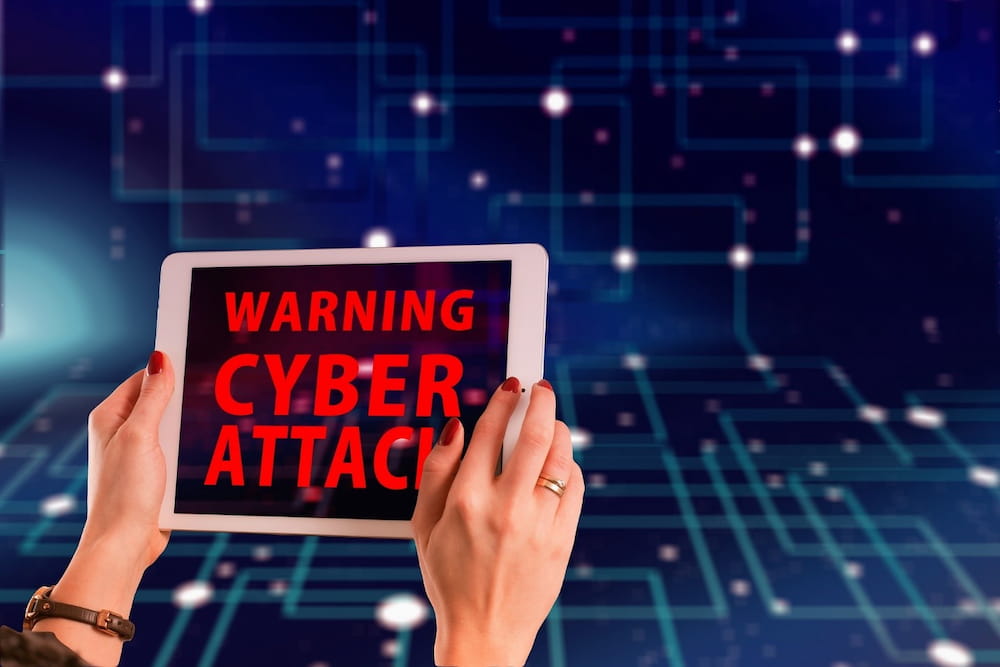
Change them often! If hackers have used one compromised account as part of an attack on another system (such as getting access through social engineering), changing the password regularly can prevent them from accessing anything else while they’re still trying out old credentials in new places–and it’ll make sure that any damage done cannot be easily repaired once discovered either!
HIPAA Compliance is an important part of every nurse’s day-to-day routine.
HIPAA Compliance is an important part of every nurse’s day-to-day routine. It’s something you’ve been doing since your first day in school, and it’s something that has only become more essential as technology has made it easier for nurses to transmit information digitally.
The good news is that there are steps you can take to make sure HIPAA Compliance compliance is part of your daily routine without being a burden on yourself or others. This article has outlined the top five tips for making sure that HIPAA compliance becomes second nature for all nurses.
Final Thoughts
It’s important to remember that HIPAA compliance isn’t just a matter of following the rules. It’s also a good way to protect yourself and your patient’s privacy, as well as cut down on any unnecessary stress or anxiety. By following these tips every day, you will be able to keep your practice safe and secure while still enjoying yourself!
Read Also
- What Today’s Patients Expect From Healthcare Brands
 Healthcare is no longer experienced only through appointments, prescriptions, or hospital visits. Patients now interact with healthcare brands through websites, mobile applications, educational articles, product instructions, customer support teams, social media, and online reviews. Every one of these interactions influences how people judge a company. This shift has raised expectations. Patients want accurate information, convenient… Read more: What Today’s Patients Expect From Healthcare Brands
 - Top Trends Shaping the Future of Mental Health CareMental health care is moving fast to meet daily human needs. People want direct care that fits modern life. Clinics respond by creating flexible options that make healing easier to reach. Providers look past rigid habits to give people solid care. From smart tools to body wellness, these changes help people find relief when life… Read more: Top Trends Shaping the Future of Mental Health Care
- Can Outsourced Telepsychiatry Help Healthcare Organizations Keep Pace With Modern Mental Health Screening?Mental healthcare is changing quickly, but many hospitals, clinics, schools, correctional facilities, and community health organizations do not have enough psychiatric professionals available to turn new screening approaches into timely clinical care. Outsourced telepsychiatry offers one way to close that gap. FasPsych, for example, connects healthcare organizations with psychiatrists, psychiatric nurse practitioners, and other behavioral… Read more: Can Outsourced Telepsychiatry Help Healthcare Organizations Keep Pace With Modern Mental Health Screening?
- Five operational checks for choking readiness in healthcare facilitiesA facility can have a choking poster on every wall and still be unprepared. Preparedness shows up when someone can recognize the emergency, call the right response, bring the right people and supplies to the room, and hand over clear information without losing time. That test belongs in operations as well as clinical education. The… Read more: Five operational checks for choking readiness in healthcare facilities
- Understanding the Demand for Correctional Healthcare ProfessionalsHave you ever wondered who cares for people when they get sick inside a prison? Many people do not realize that jails and prisons need skilled medical teams every single day. By reading this guide, you will learn why these important jobs are growing fast and how you can join this rewarding career field. Caring… Read more: Understanding the Demand for Correctional Healthcare Professionals
- Patient Engagement and Pharmaceutical Support Services: Building a Better Patient JourneyPatients rarely experience healthcare as a simple, linear process. They may need to understand a diagnosis, determine whether they qualify for a clinical trial, gather medical records, navigate insurance requirements, arrange transportation, learn how to use a medication, and stay engaged with treatment for months or years. Serva Health is one example of a specialist… Read more: Patient Engagement and Pharmaceutical Support Services: Building a Better Patient Journey