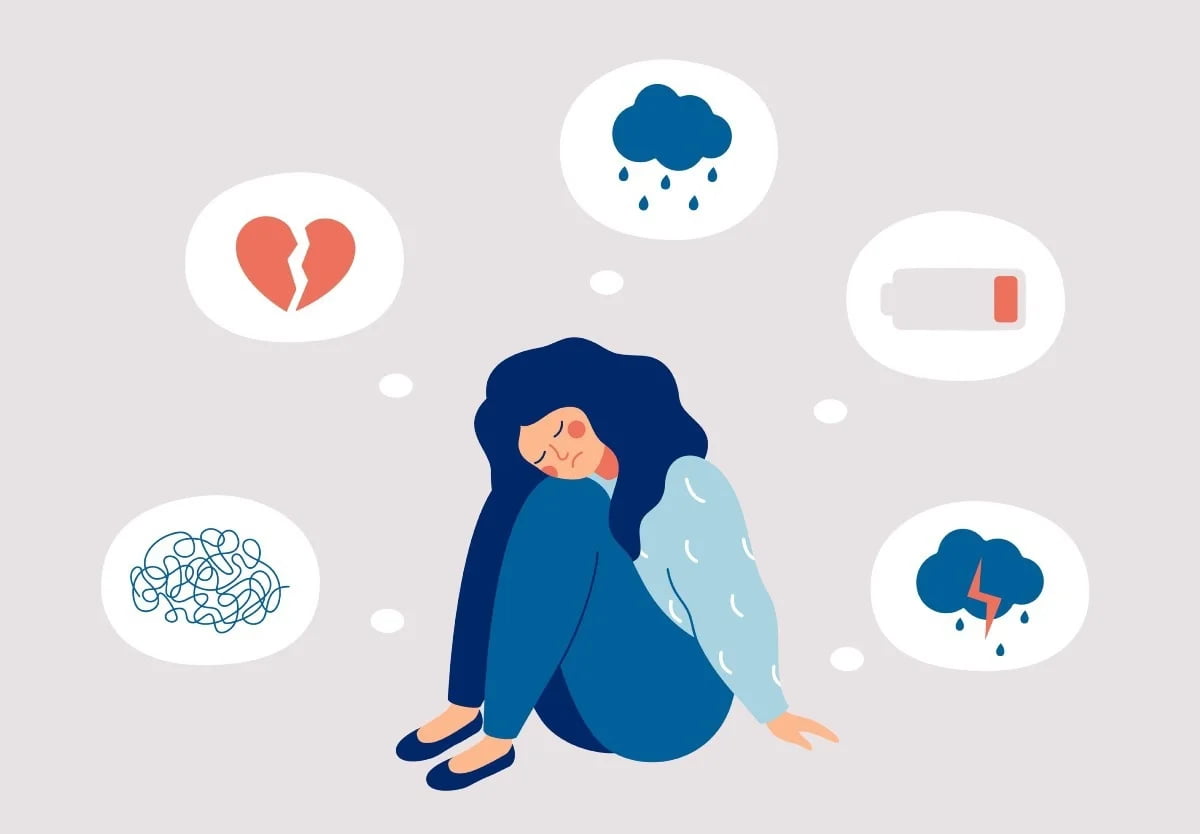
In 2023, more people are reporting issues relating to chronic mental health. More specifically, there has been an increase in the number of people who have been diagnosed with depression and anxiety, which can lead to strained relationships, issues with work, and, of course, physical health issues.
If you have moderate or severe depression, you will likely need to seek the help of a doctor and a counselor or therapist to help you to manage the issue. But, if you feel that your depression is on the minor side of the scale, you may be looking for some effective self-help options before going into therapy.
So, here are some self-help options that can reduce the effects of minor depression.
Reflexology
Reflexology is a type of alternative therapy, and it involves applying pressure to areas on the feet, hands, or ears. It is based on the idea that these points correspond to different parts of the body and that applying pressure to them can promote healing and relaxation. Practitioners of reflexology believe that it can help to improve circulation, reduce stress, and alleviate pain.
Some people find reflexology to be a relaxing and therapeutic experience, while others may not notice any significant effects. It is generally considered to be safe, although it is important to choose a qualified practitioner who is trained in the appropriate techniques. So, look for a reflexologist near you if this sounds like something you might want to try.
Look After Your Diet
Do you feel worse in your mental health after a day of drinking coffee and not eating? That’s no surprise!
A healthy diet can be an important part of managing depression. Eat plenty of fruits and vegetables, as these foods are high in nutrients and antioxidants, and they can help to boost your overall health and well-being. Lean protein sources, like chicken, fish, beans, and tofu, can help to improve energy levels and brain function. Whole grains, like brown rice and quinoa, provide sustained energy and may help to improve mood. Try to limit sugars, as they can cause blood sugar to spike and crash, which can contribute to mood changes. Also, aim to drink at least eight 8-ounce glasses of water per day. Dehydration can cause fatigue and affect mood.
It’s also important to pay attention to portion sizes and to eat regular, balanced meals throughout the day. If you are struggling to make healthy eating choices, consider speaking to a registered dietitian or a mental health professional for guidance.
Exercise
Exercise can be a powerful tool for managing mild depression. Physical activity has been linked to improved mood, reduced stress, and boosted self-esteem. Exercise can also help to improve sleep and increase energy levels, which can be particularly helpful if you are feeling fatigued or low in energy due to depression. Why? Because exercise increases serotonin levels, dopamine, and adrenaline, all of which can boost mood and energy.
Just try and make sure that the exercise is a type you enjoy. Otherwise, you will be less likely to engage in it!
Read Also
- Managing Shock Loss After a Hair Transplant: The Financial and Clinical Imperative of Post-Op Care
 In the rapidly evolving landscape of private healthcare, executive leadership within cosmetic and restorative surgery clinics faces a dual challenge: maintaining strict clinical standards while maximizing patient lifetime value (LTV) and brand advocacy. As the global medical tourism and elective procedure markets expand, clinical outcome quality alone is no longer the sole differentiator for premium… Read more: Managing Shock Loss After a Hair Transplant: The Financial and Clinical Imperative of Post-Op Care
 - Transform Your Skin Health: Premier Gluta IV Therapy in DubaiThis comprehensive guide explores how modern intravenous wellness treatments can help revitalize your complexion, boost immune function, and support overall cellular health. By incorporating modern IV therapy Dubai services into a routine health regimen, individuals can achieve direct nutrient absorption for optimal results. Selecting a customized gluta IV drip Dubai treatment provides targeted antioxidant defense,… Read more: Transform Your Skin Health: Premier Gluta IV Therapy in Dubai
- The Evolution of Dental Prosthetics: Innovation in Oral HealthDental replacements have improved a lot over time. Smiling, chewing, and speaking depend on having healthy teeth. When teeth break or go missing, today’s options can restore both function and confidence. Modern techniques make these replacements feel and look completely natural. Ancient Roots Of Tooth Replacement People have tried to replace lost teeth for thousands… Read more: The Evolution of Dental Prosthetics: Innovation in Oral Health
- How to Support a Loved One with Mental Health IssuesWatching someone you care about struggle with their mental health is difficult: you might feel helpless, confused, or even frustrated. You cannot cure a mental health condition with a simple conversation or a hug, no matter how much you wish you could. Your support can be the difference between them feeling isolated and feeling understood.… Read more: How to Support a Loved One with Mental Health Issues
- Understanding Endometriosis: Causes, Symptoms, and Treatment OptionsMillions of people around the world deal with pelvic health problems. Many spend years looking for answers about ongoing pain or fertility issues. Understanding your health can help you speak up and get better care. Managing pelvic pain starts with knowing the causes and treatment options. Learning about symptoms also helps you decide when to… Read more: Understanding Endometriosis: Causes, Symptoms, and Treatment Options