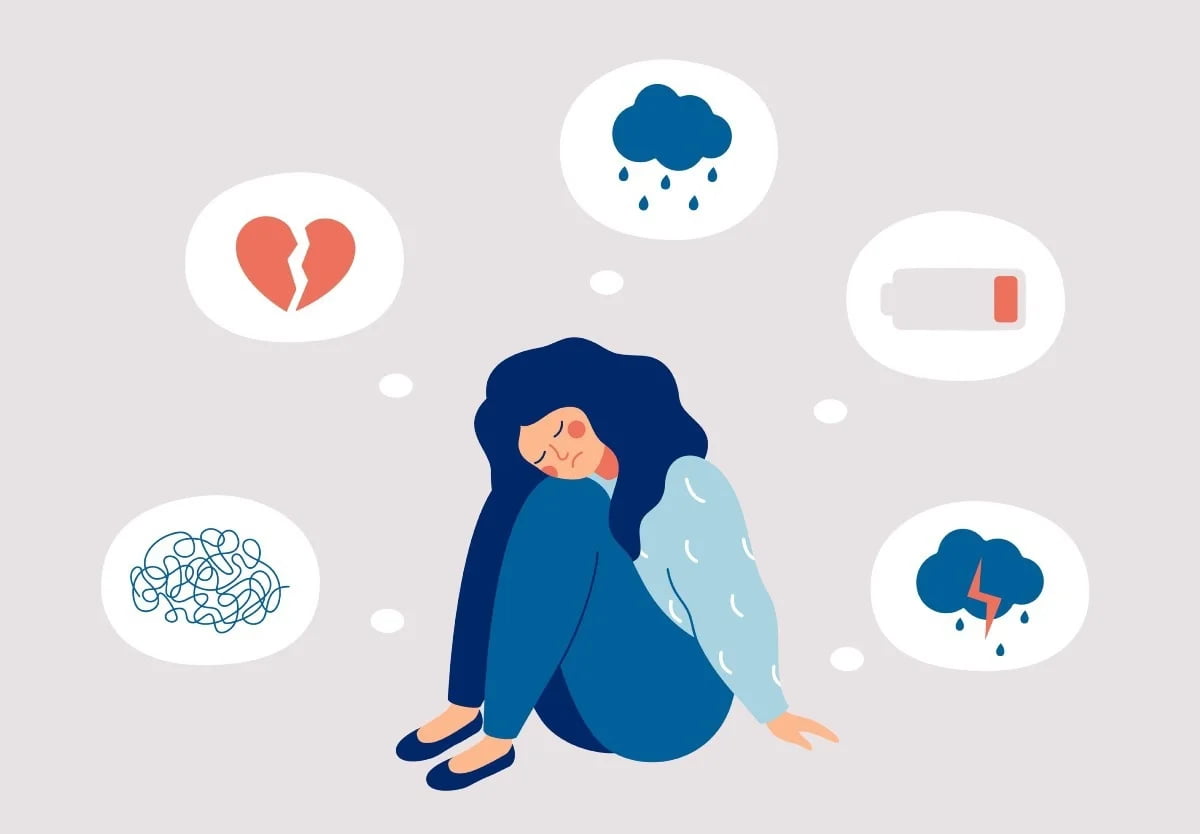
In 2023, more people are reporting issues relating to chronic mental health. More specifically, there has been an increase in the number of people who have been diagnosed with depression and anxiety, which can lead to strained relationships, issues with work, and, of course, physical health issues.
If you have moderate or severe depression, you will likely need to seek the help of a doctor and a counselor or therapist to help you to manage the issue. But, if you feel that your depression is on the minor side of the scale, you may be looking for some effective self-help options before going into therapy.
So, here are some self-help options that can reduce the effects of minor depression.
Reflexology
Reflexology is a type of alternative therapy, and it involves applying pressure to areas on the feet, hands, or ears. It is based on the idea that these points correspond to different parts of the body and that applying pressure to them can promote healing and relaxation. Practitioners of reflexology believe that it can help to improve circulation, reduce stress, and alleviate pain.
Some people find reflexology to be a relaxing and therapeutic experience, while others may not notice any significant effects. It is generally considered to be safe, although it is important to choose a qualified practitioner who is trained in the appropriate techniques. So, look for a reflexologist near you if this sounds like something you might want to try.
Look After Your Diet
Do you feel worse in your mental health after a day of drinking coffee and not eating? That’s no surprise!
A healthy diet can be an important part of managing depression. Eat plenty of fruits and vegetables, as these foods are high in nutrients and antioxidants, and they can help to boost your overall health and well-being. Lean protein sources, like chicken, fish, beans, and tofu, can help to improve energy levels and brain function. Whole grains, like brown rice and quinoa, provide sustained energy and may help to improve mood. Try to limit sugars, as they can cause blood sugar to spike and crash, which can contribute to mood changes. Also, aim to drink at least eight 8-ounce glasses of water per day. Dehydration can cause fatigue and affect mood.
It’s also important to pay attention to portion sizes and to eat regular, balanced meals throughout the day. If you are struggling to make healthy eating choices, consider speaking to a registered dietitian or a mental health professional for guidance.
Exercise
Exercise can be a powerful tool for managing mild depression. Physical activity has been linked to improved mood, reduced stress, and boosted self-esteem. Exercise can also help to improve sleep and increase energy levels, which can be particularly helpful if you are feeling fatigued or low in energy due to depression. Why? Because exercise increases serotonin levels, dopamine, and adrenaline, all of which can boost mood and energy.
Just try and make sure that the exercise is a type you enjoy. Otherwise, you will be less likely to engage in it!
Read Also
- Top Trends Shaping the Future of Mental Health Care
 Mental health care is moving fast to meet daily human needs. People want direct care that fits modern life. Clinics respond by creating flexible options that make healing easier to reach. Providers look past rigid habits to give people solid care. From smart tools to body wellness, these changes help people find relief when life… Read more: Top Trends Shaping the Future of Mental Health Care
 - Full-Arch Dental Tourism: Why UK Patients With Severe Bone Loss Are Looking AbroadDental implants have become one of the fastest-growing segments of private dentistry. Within that market, one patient group behaves very differently from the rest: people who have been told they do not have enough upper jawbone for conventional implants. For these patients, the choice is rarely between one clinic and another. It is between a… Read more: Full-Arch Dental Tourism: Why UK Patients With Severe Bone Loss Are Looking Abroad
- Levels of Mental Health Care and When to Seek SupportMental health care can range from occasional outpatient appointments to 24-hour hospital treatment. The appropriate level depends on safety, symptom severity, daily functioning, medical needs, available support, treatment history and personal preferences. A licensed clinician should assess these factors rather than relying on a symptom list alone. Need help now? In the United States, call… Read more: Levels of Mental Health Care and When to Seek Support
- How to Choose a Shilajit Brand Based on the ResearchIn a randomized trial published in the Journal of the International Society of Sports Nutrition in 2019, 63 active men took 250 mg of standardized shilajit, 500 mg, or a placebo every day for eight weeks, and the benefit for strength retention after a fatiguing workout appeared only at 500 mg. For anyone choosing a… Read more: How to Choose a Shilajit Brand Based on the Research
- How to Incorporate Relaxation into Your Busy ScheduleFinding balance when you have a packed daily agenda often feels out of reach. Between work duties, family obligations, and personal projects, personal rest usually gets pushed to the bottom of the list. Small, intentional shifts in daily habits can help restore calm without requiring hours of extra free time. Continue reading to discover everything… Read more: How to Incorporate Relaxation into Your Busy Schedule