Continuous Positive Airway Pressure (CPAP) therapy is a common and effective treatment for obstructive sleep apnea (OSA). If you’ve been prescribed a CPAP machine, understanding how it works, how to maintain it, and how to troubleshoot common issues can enhance your therapy experience and improve your sleep quality. Here’s what you need to know about your CPAP machine.
How CPAP Machines Work
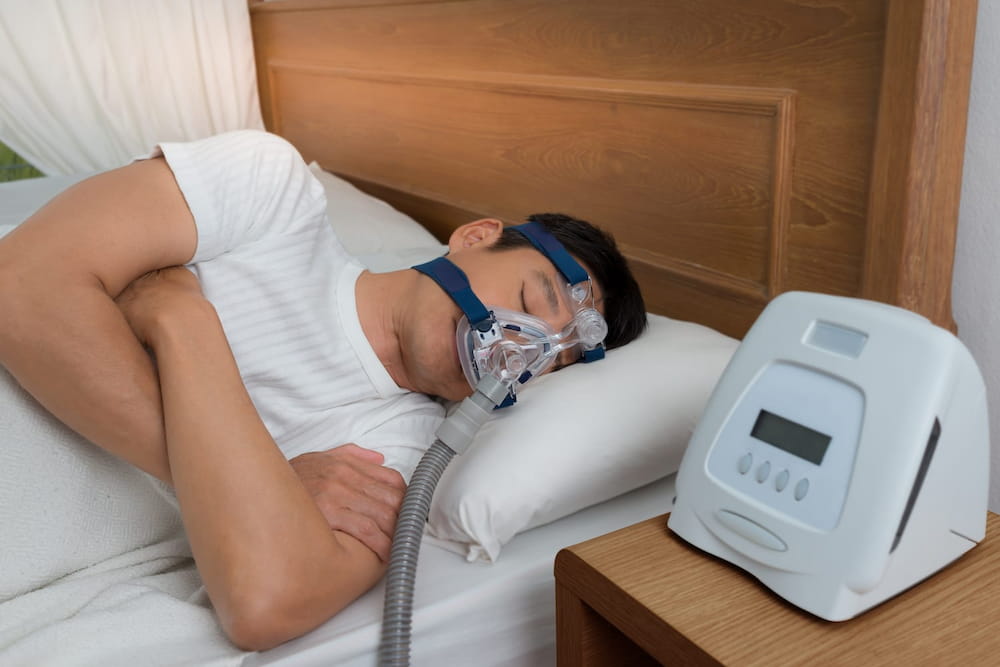
A CPAP machine provide a steady stream of air through a mask that you wear while you’re sleeping. This airflow keeps your airway open, preventing the pauses in breathing that characterize sleep apnea. The key components of a CPAP system include:
– The Machine: This generates the pressurized air and often includes features like ramp settings, which gradually increase the air pressure to help you fall asleep more comfortably.
– The Hose: This connects the machine and mask to each other and delivers the pressurized air.
– The Mask: The mask comes in various styles (nasal, nasal pillows, or full-face) to suit different comfort needs and sleeping habits.
Selecting the Right CPAP Machine
There are different types of machines available, and you can shop CPAP machines online in Canada along with associated parts:
– Standard CPAP: Delivers a continuous fixed pressure.
– Auto-Adjusting CPAP (APAP): Adjusts the pressure automatically based on your needs throughout the night.
– Bi-Level PAP (BiPAP): Provides two levels of pressure: one which is higher when you inhale and a lower one when you exhale. This machine is often used by patients who need higher pressure settings or have difficulty exhaling against constant pressure.
Getting the Right Mask
Choosing the right mask is important for comfort and effective therapy. Masks come in various types:
– Nasal Masks: These go over the nose and are suitable for people who breathe through their nose.
– Nasal Pillow Masks: This type of mask sits at the nostrils and has minimal facial contact.
– Full-Face Masks: These go over the nose and mouth, and are ideal for people who breathe through their mouth or those with nasal congestion.
Maintaining Your CPAP Machine
Regular maintenance of your CPAP machine is essential for hygiene and effective operation:
– Daily Cleaning: Wash the mask cushion, headgear, and tubing with mild soap and warm water. Rinse thoroughly and let them air dry.
– Weekly Cleaning: Clean the humidifier chamber (if your machine has one) and the non-disposable filter with soapy water.
– Replacing Parts: Regularly replace parts such as the mask cushion, filters, and tubing as per the manufacturer’s recommendations to ensure optimal performance and hygiene.
Common Issues and Troubleshooting
CPAP users may encounter some common issues:
– Mask Leaks: Ensure your mask fits properly and the cushion is intact. Adjust the straps or consider a different mask size or type if leaks persist.
– Dryness and Congestion: Use a CPAP humidifier to add moisture to the air, which can prevent dryness and nasal congestion. Adjust the humidity level to find the most comfortable setting.
– Noise: If your machine is noisy, check for air leaks and make sure the machine is on a stable surface. Some noise is normal, but excessive noise may indicate a problem with the machine or mask.
Traveling with Your CPAP
Traveling with your CPAP machine requires some planning:
– Portable Machines: Consider investing in a travel-friendly CPAP machine, which is smaller and more compact.
– Power Supply: Make sure you have the appropriate power adapters and a portable battery if you’re traveling to places without reliable electricity.
– Airline Travel: Most airlines allow CPAP machines as carry-on medical devices. Check with the airline beforehand and make sure you carry a copy of your prescription.
Working with Your Healthcare Provider
Regular follow-ups with your healthcare provider are important to ensure your CPAP therapy is effective. They can help you with:
– Pressure Adjustments: Periodically reassess your pressure settings and adjust if necessary.
– Troubleshooting: Address any persistent issues or discomfort you may be experiencing.
– Equipment Updates: Stay informed about new CPAP technologies and upgrades that might benefit your therapy.
Conclusion
Understanding your CPAP machine and how to use it effectively is vital for managing sleep apnea and improving your sleep quality. By selecting the right equipment, maintaining it properly, and addressing any issues that arise, you can maximize the benefits of your CPAP therapy. Regular communication with your healthcare provider will ensure your treatment remains effective and comfortable, leading to better health and well-being.
Did you find this helpful? Check out our other helpful articles on our website.
Read Also
- What Makes Permanent Tooth Replacement A Life-Changing Option?
 Missing teeth can cause serious discomfort and lower your self-esteem. Many people struggle with everyday tasks like eating meals and speaking clearly to friends. Traditional dentures offer a quick fix but often slip or feel completely unnatural. A modern approach provides a secure fit that feels exactly like real teeth – giving you true peace… Read more: What Makes Permanent Tooth Replacement A Life-Changing Option?
 - Where to Find Reliable Mental Health Support for TeensHave you noticed changes in your teen’s mood, sleep, or behavior that leave you worried? Growing up can bring stress from school, friends, family, and new demands. Some teens may struggle to share their feelings or ask for help, even when they need support. Finding the right mental health support for teens can help them… Read more: Where to Find Reliable Mental Health Support for Teens
- Top Trends Shaping the Future of Mental Health CareMental health care is moving fast to meet daily human needs. People want direct care that fits modern life. Clinics respond by creating flexible options that make healing easier to reach. Providers look past rigid habits to give people solid care. From smart tools to body wellness, these changes help people find relief when life… Read more: Top Trends Shaping the Future of Mental Health Care
- Full-Arch Dental Tourism: Why UK Patients With Severe Bone Loss Are Looking AbroadDental implants have become one of the fastest-growing segments of private dentistry. Within that market, one patient group behaves very differently from the rest: people who have been told they do not have enough upper jawbone for conventional implants. For these patients, the choice is rarely between one clinic and another. It is between a… Read more: Full-Arch Dental Tourism: Why UK Patients With Severe Bone Loss Are Looking Abroad
- Levels of Mental Health Care and When to Seek SupportMental health care can range from occasional outpatient appointments to 24-hour hospital treatment. The appropriate level depends on safety, symptom severity, daily functioning, medical needs, available support, treatment history and personal preferences. A licensed clinician should assess these factors rather than relying on a symptom list alone. Need help now? In the United States, call… Read more: Levels of Mental Health Care and When to Seek Support
- How to Choose a Shilajit Brand Based on the ResearchIn a randomized trial published in the Journal of the International Society of Sports Nutrition in 2019, 63 active men took 250 mg of standardized shilajit, 500 mg, or a placebo every day for eight weeks, and the benefit for strength retention after a fatiguing workout appeared only at 500 mg. For anyone choosing a… Read more: How to Choose a Shilajit Brand Based on the Research
- How to Incorporate Relaxation into Your Busy ScheduleFinding balance when you have a packed daily agenda often feels out of reach. Between work duties, family obligations, and personal projects, personal rest usually gets pushed to the bottom of the list. Small, intentional shifts in daily habits can help restore calm without requiring hours of extra free time. Continue reading to discover everything… Read more: How to Incorporate Relaxation into Your Busy Schedule
- Red Light Therapy for Skin and Wellness: Meet Vital Red Light TherapyModern wellness is not always about complicated treatments or long routines. Many people are now looking for simple, convenient ways to support their skin, recovery, and overall wellness at home. One technology getting more attention is red light therapy. Red light therapy uses specific wavelengths of red and near-infrared light to support the body’s natural… Read more: Red Light Therapy for Skin and Wellness: Meet Vital Red Light Therapy