



It is a well-known fact that protein, in its numerous forms, is a key element in an individual’s fitness journey. Fitness enthusiasts are keen on squeezing in protein-rich foods in their diet, wherever possible. The fuss about persistent protein powder intake, in the form of shakes, before and after workouts is quite common. Protein powders are believed to maximise the output of a workout routine and help restore and build strong muscles.
If you are someone who has just started the fitness journey or wants to start taking muscle-building protein but isn’t sure about it, let us help you with it.
Is Muscle-Building Protein Really Helpful?
Protein is a micronutrient made up of long chains of 20 amino acids that decide the function of each protein and is required in substantial amounts for the effective functioning of our body. Protein prevents blood clotting, balances fluid, enhances immunity, improves vision, and fosters hormone and enzyme production. In particular, protein is responsible for healthy tissues and stellar muscle health as it builds cells in our bodies.
Protein powders and shakes are popular as they offer an extra dose of protein apart from what they consume through a normal diet and protein-rich foods. Muscle-building protein powders help in boosting the performance and mass gain of fitness enthusiasts. Moreover, protein powders help in muscle recovery and weight loss journeys.
How does Muscle Building Protein Work?
Muscles are made up of protein; when you exercise, you create small tears in your muscle fibres. Our body then repairs and strengthens these tears for the muscle fibres to grow stronger and longer. This entire process requires protein that bodybuilders, athletes, and fitness enthusiasts derive from muscle-building protein powders.
The amino acids in the protein powder are the building blocks of muscle tissue. They are used by our bodies to repair or rebuild muscle tissue. The protein and nutrients-rich protein powders improve your energy and strength levels by fostering:
- fulfillment of bodybuilding goals securely and effectively;
- growth and maintenance of muscle mass;
- prevention of age-related muscle loss;
- protection of the spinal cord and muscle recovery;
- high metabolic rate to burn more calories.
Muscle-building protein powders designed for building muscles work in tandem with strength training to help your body develop and maintain muscle mass more effectively. The nutrients contained in these powders assist in improving the effects of resistance training on your muscles and help your body adapt to more rigorous workout sessions.
Effect of Muscle Building Protein Powder Post-workout
Athletes and fitness enthusiasts choose protein powders to meet their extra protein needs because they are quick and energising supplements. Protein powders are a popular post-workout supplement due to their ability to aid in muscle recovery and growth. After a workout, our body is in a state of heightened protein synthesis, which means it’s more efficient in building and repairing muscle tissue.
Consuming protein powder post-workout can help maximise the building and repairing muscle tissue. In addition to aiding in muscle recovery and growth, protein powder can also help to reduce muscle soreness and improve muscle function.
Protein Powder to Reduce Muscle Breakdown
Protein powders are essential for building muscle and can help prevent muscle breakdown when following a low-carb or weight-loss diet. When the body is low on energy, it can break down muscle tissue, but protein powder provides energy through its amino acids and helps protect muscle tissue. To effectively build muscle, it’s important to focus on protein, carbohydrates, and strength training.
However, it’s crucial to be mindful of your protein powder intake. Consuming excessive amounts of protein powder can lead to the excess protein being stored as fat, which can be difficult to burn off. To maximise the benefits of protein powder, follow a regulated routine tailored to your specific needs.
Different Types of Protein Powders for Muscle Building
The fitness industry is rapidly expanding, and as a result, many healthy and natural protein powder options are filling the global market. The muscle-building protein powder industry alone is worth $22.3 billion, thanks to the sturdy and safe advantages of these supplements.
Here are two go-to protein powders for fitness lovers:
Whey Protein
Whey protein is an excellent choice for people who want to build muscle. It’s derived from milk and contains high levels of amino acids and healthy fatty acids that benefit the body. This protein is quickly absorbed into the bloodstream, which can help to improve body composition and support muscle building. Terra Origin Grass-Fed Whey Protein is one of the best protein powders for muscle gain.
Plant Protein
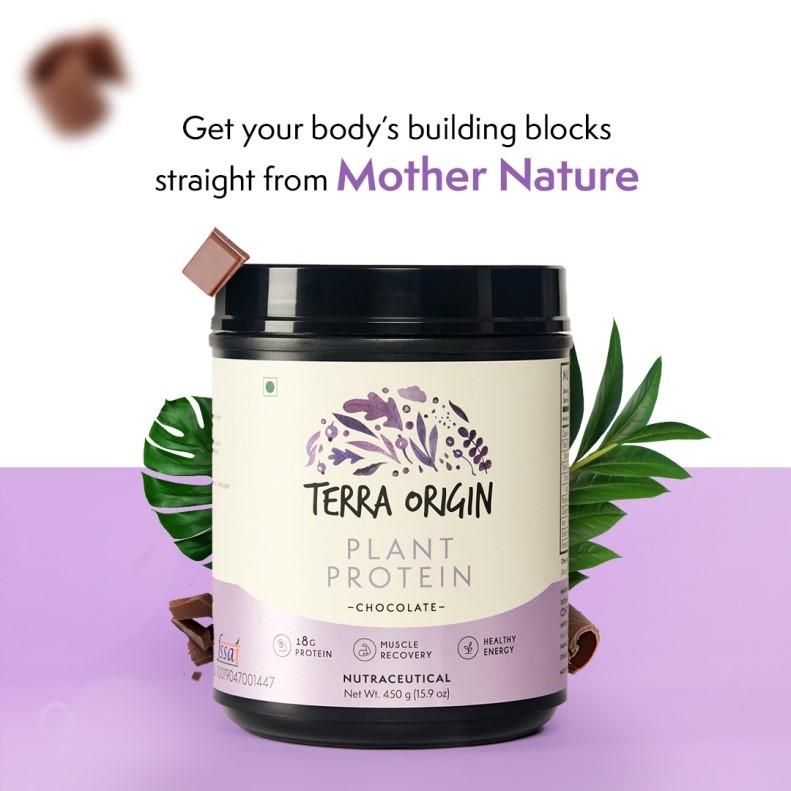
Plant protein powders are made from various plant-based sources, such as peas, rice, hemp, soy, and others. These powders are suitable for vegans, vegetarians, and those with lactose intolerance, who cannot consume dairy-based protein powders. Plant-based protein powders are also a good source of fibre, vitamins, and minerals. Organic Plant Protein by Terra Origin is a great plant protein powder that comes in 3 delicious flavours. If you don’t like the taste of proteins, then this one is a must-try.
Wrapping Up
Protein powders are a lucrative supplement for robust muscle development and maintenance. It is a useful muscle-building tool; however, it is not a substitute for a healthy diet and regular exercise.
Terra Origin offers a wide range of muscle-building protein powders focused on increasing muscle gains and curated using the finest organic, natural, and safe ingredients. Every product is suitable for beginners, intermediates, and expert-level bodybuilders, protecting overall health and meeting fitness goals. Terra Origin is the place to explore, to ensure your body gets the best protein powder in the market for potent bodybuilding. Visit us today!
Read Also
- Full-Arch Dental Tourism: Why UK Patients With Severe Bone Loss Are Looking Abroad
 Dental implants have become one of the fastest-growing segments of private dentistry. Within that market, one patient group behaves very differently from the rest: people who have been told they do not have enough upper jawbone for conventional implants. For these patients, the choice is rarely between one clinic and another. It is between a… Read more: Full-Arch Dental Tourism: Why UK Patients With Severe Bone Loss Are Looking Abroad
 - Levels of Mental Health Care and When to Seek SupportMental health care can range from occasional outpatient appointments to 24-hour hospital treatment. The appropriate level depends on safety, symptom severity, daily functioning, medical needs, available support, treatment history and personal preferences. A licensed clinician should assess these factors rather than relying on a symptom list alone. Need help now? In the United States, call… Read more: Levels of Mental Health Care and When to Seek Support
- How to Choose a Shilajit Brand Based on the ResearchIn a randomized trial published in the Journal of the International Society of Sports Nutrition in 2019, 63 active men took 250 mg of standardized shilajit, 500 mg, or a placebo every day for eight weeks, and the benefit for strength retention after a fatiguing workout appeared only at 500 mg. For anyone choosing a… Read more: How to Choose a Shilajit Brand Based on the Research
- How to Incorporate Relaxation into Your Busy ScheduleFinding balance when you have a packed daily agenda often feels out of reach. Between work duties, family obligations, and personal projects, personal rest usually gets pushed to the bottom of the list. Small, intentional shifts in daily habits can help restore calm without requiring hours of extra free time. Continue reading to discover everything… Read more: How to Incorporate Relaxation into Your Busy Schedule
- Red Light Therapy for Skin and Wellness: Meet Vital Red Light TherapyModern wellness is not always about complicated treatments or long routines. Many people are now looking for simple, convenient ways to support their skin, recovery, and overall wellness at home. One technology getting more attention is red light therapy. Red light therapy uses specific wavelengths of red and near-infrared light to support the body’s natural… Read more: Red Light Therapy for Skin and Wellness: Meet Vital Red Light Therapy





