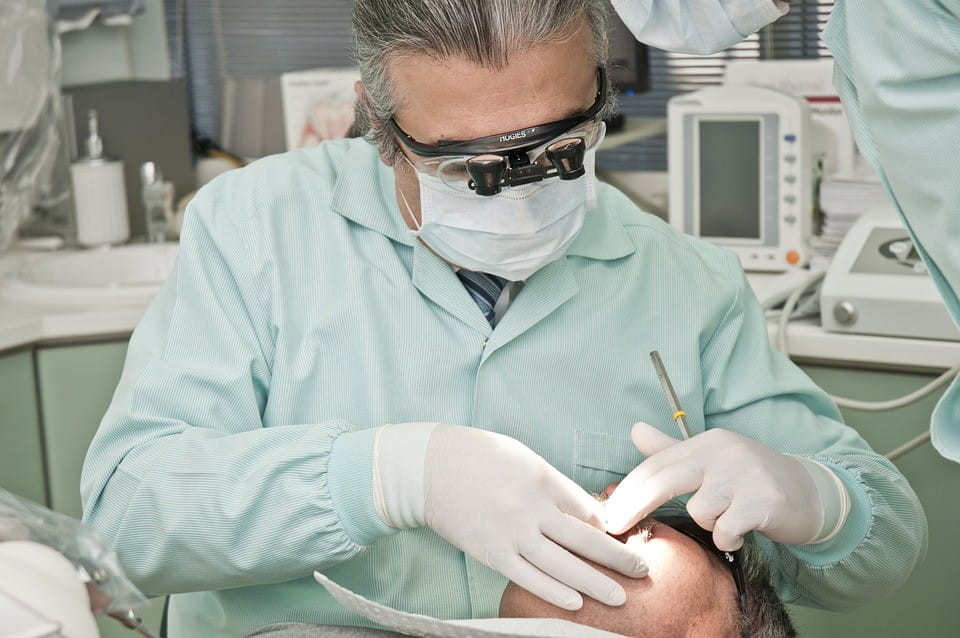
Are you lacking a tooth and looking for options other than removable dentures? Dental implants can be excellent alternatives with various benefits. A dental implant is a medical device made from titanium metal. It is surgically installed as an artificial root to provide support to the jaw and adjacent teeth. The best part is they feel and fit like regular teeth.
This procedure is ideal for people with deteriorating teeth and long-term dental issues. People with missing teeth or those who have received an injury to their natural teeth can also opt for it.
If you are wondering where to get this procedure done, you can find it in most dental clinics. Cities like Charlotte, which have a large population and serve as a commercial hub, are likely to have well-reputed dental clinics.
However, before you go for the procedure, here are some things you should be aware of.
1. Involves Some Risks
Dental implants have certain risks that you should consider before getting them installed. Primarily, there is a chance that the natural teeth beside the implant could suffer some damage.
Even the surrounding tissues could be affected, resulting in sinus perforation. You may also have to be thorough while cleaning the implant, as it makes the cleaning process difficult. Not doing so can lead to bacterial buildup, which can cause issues like tooth decay or gum disease.
Sometimes the implant isn’t aligned correctly. It can cause difficulties in chewing, as your teeth may not bite together properly.
Dentists can also be careless during surgery, as they may accidentally fracture your jawbone during the installation process.
That is why it is imperative to look for a reputable clinic. Dental implants services in Charlotte, NC, are known for being safer, as dentists there are highly experienced. To prevent such risks, you should always check the credentials before opting for a dental implant procedure.
2. Has Several Benefits
You might look at the price of dental implants and reconsider getting them. However, the procedure has numerous benefits that can improve your quality of life.
Dealing with a missing or injured tooth can make eating very challenging. Dental implants can ensure your chewing function goes back to normal. It can allow you to eat nutritious solid meals instead of soft food that may not be as healthy.
Several people also opt for implants to improve their cosmetic appearance, as missing teeth can ruin their aesthetics.
Moreover, losing your tooth can also damage the jawbone providing support to the tooth. That can result in your jaw receding, making your mouth appear sunken.
You may also encounter various fine lines around the mouth. A dental implant can prevent this from happening by providing support to the jaw.
3. The Surgery Is Not Complicated
Some people look at the risks involved and assume the surgery is complicated. That is far from the case, as it is done routinely and has a 98% success rate.
Before you get the implant, you will undergo a dental exam to understand the severity of the problem. The dentist will evaluate the results and discuss a treatment plan.
Moreover, local anesthesia is provided to ensure you don’t suffer any discomfort or pain. You can also choose whether or not you are comfortable getting sedated. Your dental implants will heal and replace your missing teeth within three to six months.
Dentists also check beforehand whether a person is reasonably healthy and an eligible candidate before doing the procedure. They will ensure your gums are healthy and you have a robust structure to support the implant.
4. You Must Take Care Of Oral Hygiene
You may be thinking once you have dental implants, you won’t get any cavities, so you can get away with not brushing regularly. That is not the case, as cavities have ways of creeping in even after getting the procedure. Hence, it is essential to brush and floss daily to prevent oral issues from arising.
Your other teeth will not be guarded against bacteria, so they aren’t immune to tartar or plaque buildup. Moreover, your implants might get infected if you don’t take proper care of them. This dentist in Sun City highly recommends that you take care of your implant just like they are one of your normal teeth.
It is better to prevent such issues before they force you to replace the implants. It is also advisable to visit your dentist every few months for thorough cleaning.
5. Dental Implants Are Evaluated For Safety
The International Organization for Standardization (ISO) develops standards that determine what materials are safe. Most dental implants are made of zirconium oxide and titanium.
These are deemed safe by the organization and cause no issues when installed in the mouth or jaw. Some people also use materials like titanium alloys or gold alloys in certain cases.
These safety regulations ensure that the implants do not cause issues like allergic reactions once they come in contact with the body. Hence, you can ease your concerns and opt for a dental implant without worrying about safety.
6. Last A Long Time
Wouldn’t you want a solution for your missing teeth that lasted a lifetime? Dentures and bridges can last for seven to ten years. However, dental implants can last even longer if you take good care of them. You may have to get thorough cleaning from the dentist from time to time.
7. You Can Eat Anything
It can be difficult when you have a feast in front of you, but you cannot consume it. The benefit of dental implants is that they allow you to eat everything without causing discomfort.
You don’t need to worry about it falling out even if the food is hard in consistency. The same cannot be said for dentures that sometimes slide around when you’re eating, which can be frustrating and uncomfortable.
To Conclude
Maintaining care of your teeth can be a complicated process. You need to brush and floss regularly. If a tooth falls out, you need to take immediate action and visit the dentist. That is where dental implants come in to provide natural results and numerous benefits.
Though it involves some risks, it has become a routine procedure. All you need to do is consult your dentist right away, agree on a treatment plan, and enjoy your brand-new dental implants.
Read Also
- Where to Find Reliable Mental Health Support for Teens
 Have you noticed changes in your teen’s mood, sleep, or behavior that leave you worried? Growing up can bring stress from school, friends, family, and new demands. Some teens may struggle to share their feelings or ask for help, even when they need support. Finding the right mental health support for teens can help them… Read more: Where to Find Reliable Mental Health Support for Teens
 - Top Trends Shaping the Future of Mental Health CareMental health care is moving fast to meet daily human needs. People want direct care that fits modern life. Clinics respond by creating flexible options that make healing easier to reach. Providers look past rigid habits to give people solid care. From smart tools to body wellness, these changes help people find relief when life… Read more: Top Trends Shaping the Future of Mental Health Care
- Full-Arch Dental Tourism: Why UK Patients With Severe Bone Loss Are Looking AbroadDental implants have become one of the fastest-growing segments of private dentistry. Within that market, one patient group behaves very differently from the rest: people who have been told they do not have enough upper jawbone for conventional implants. For these patients, the choice is rarely between one clinic and another. It is between a… Read more: Full-Arch Dental Tourism: Why UK Patients With Severe Bone Loss Are Looking Abroad
- Levels of Mental Health Care and When to Seek SupportMental health care can range from occasional outpatient appointments to 24-hour hospital treatment. The appropriate level depends on safety, symptom severity, daily functioning, medical needs, available support, treatment history and personal preferences. A licensed clinician should assess these factors rather than relying on a symptom list alone. Need help now? In the United States, call… Read more: Levels of Mental Health Care and When to Seek Support
- How to Choose a Shilajit Brand Based on the ResearchIn a randomized trial published in the Journal of the International Society of Sports Nutrition in 2019, 63 active men took 250 mg of standardized shilajit, 500 mg, or a placebo every day for eight weeks, and the benefit for strength retention after a fatiguing workout appeared only at 500 mg. For anyone choosing a… Read more: How to Choose a Shilajit Brand Based on the Research
- How to Incorporate Relaxation into Your Busy ScheduleFinding balance when you have a packed daily agenda often feels out of reach. Between work duties, family obligations, and personal projects, personal rest usually gets pushed to the bottom of the list. Small, intentional shifts in daily habits can help restore calm without requiring hours of extra free time. Continue reading to discover everything… Read more: How to Incorporate Relaxation into Your Busy Schedule