


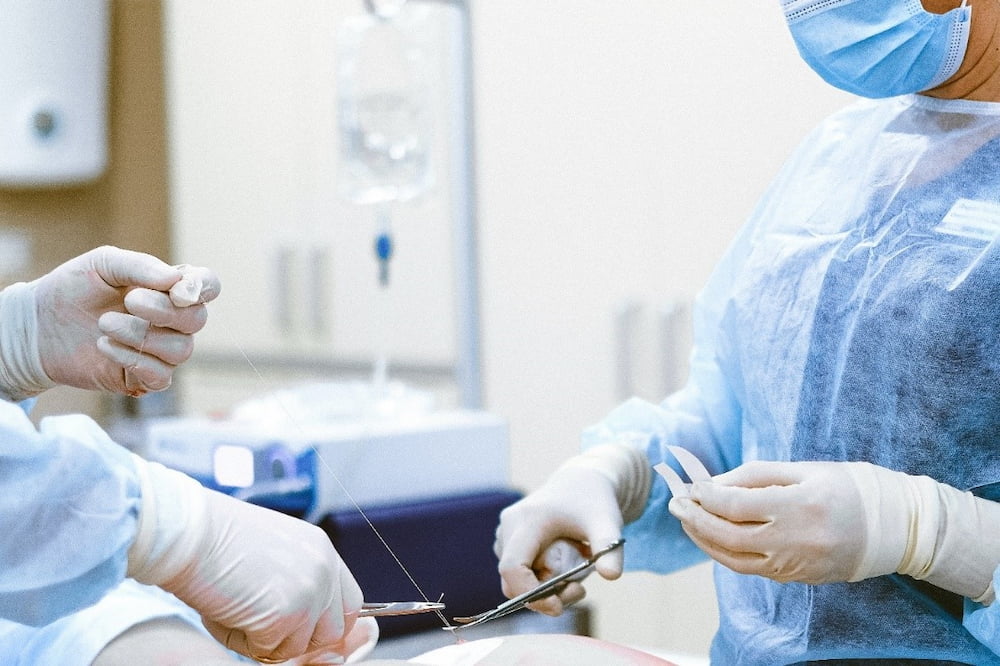
Beverly Hills, California, is known for its high beauty standards, where residents and visitors aspire to look their best. The city is filled with luxurious spas, salons, and other establishments devoted to the aesthetic arts.
The frequent presence of celebrities, models, and different public personalities who embody the perfect image of beauty reinforces the desire to look beautiful.
Surgical and non-surgical cosmetic treatments are quite popular in Beverly Hills because of the city’s emphasis on beauty standards prioritizing symmetry, proportion, and balance in one’s look.
Many women nowadays seek out cosmetic surgery as a way to boost their self-esteem and improve their looks. The safety and efficacy of cosmetic surgery operations like breast augmentation and body contouring have improved significantly in recent years.
This article aims to provide readers with information on a list of effective surgical treatments that are both safe and highly successful. Readers will acquire a deeper awareness of the alternatives accessible to them and be better prepared to make educated decisions about their bodies.
This article will also highlight recent advancements in the area and offer a summary of the benefits of each treatment option.
1- Rhinoplasty
Rhinoplasty is a procedure that may be performed surgically or non-surgically to improve the nose’s appearance by changing its shape, size, or proportions.
Surgical rhinoplasty involves incisions within the nose to alter bone and cartilage. A “liquid nose job” uses dermal fillers to reshape and sculpt the nose without surgery.
If you’re interested, you can look for non-surgical rhinoplasty near me in Beverly Hills to set up an appointment. Non-surgical rhinoplasty offers several advantages; it is less intrusive, has a shorter recovery period, and has fewer dangers than surgical rhinoplasty.
Both may help get the desired results, so patients must consult a board-certified plastic surgeon to evaluate which option suits them.
2- Facelifts
The goal of a facelift, sometimes called a rhytidectomy, is to tighten the skin on the face and neck, reducing the appearance of wrinkles and fine lines. Excess skin is usually removed, and the underlying muscles and tissues are tightened during the treatment. The various facelift procedures concentrate on different aspects of a patient’s face.
The advantages of facelifts include disappearing wrinkles and sagging skin, enhanced self-confidence, and long-lasting results.
The following new advancements in facelift techniques have made the procedure much safer and more effective:
Thread lift
This minimally invasive procedure uses dissolvable sutures to lift and tighten the skin. This method’s downtime, risk, and recovery time are lower than conventional facelifts.
Mini Facelift
The cheeks and jawline are the focus of a mini facelift, a more limited form of a complete facelift.
Stem Cell Facelift
The patient’s stem cells are used in this procedure to stimulate collagen production and restore the skin’s youthful elasticity.
Discussing your options with your plastic surgeon, who can help you weigh the pros and cons of each facelift method, is essential. It will help in choosing the procedure which is best for you.
Read Also
- How to Incorporate Relaxation into Your Busy Schedule
 Finding balance when you have a packed daily agenda often feels out of reach. Between work duties, family obligations, and personal projects, personal rest usually gets pushed to the bottom of the list. Small, intentional shifts in daily habits can help restore calm without requiring hours of extra free time. Continue reading to discover everything… Read more: How to Incorporate Relaxation into Your Busy Schedule
 - Red Light Therapy for Skin and Wellness: Meet Vital Red Light TherapyModern wellness is not always about complicated treatments or long routines. Many people are now looking for simple, convenient ways to support their skin, recovery, and overall wellness at home. One technology getting more attention is red light therapy. Red light therapy uses specific wavelengths of red and near-infrared light to support the body’s natural… Read more: Red Light Therapy for Skin and Wellness: Meet Vital Red Light Therapy
- Managing Shock Loss After a Hair Transplant: The Financial and Clinical Imperative of Post-Op CareIn the rapidly evolving landscape of private healthcare, executive leadership within cosmetic and restorative surgery clinics faces a dual challenge: maintaining strict clinical standards while maximizing patient lifetime value (LTV) and brand advocacy. As the global medical tourism and elective procedure markets expand, clinical outcome quality alone is no longer the sole differentiator for premium… Read more: Managing Shock Loss After a Hair Transplant: The Financial and Clinical Imperative of Post-Op Care
- Transform Your Skin Health: Premier Gluta IV Therapy in DubaiThis comprehensive guide explores how modern intravenous wellness treatments can help revitalize your complexion, boost immune function, and support overall cellular health. By incorporating modern IV therapy Dubai services into a routine health regimen, individuals can achieve direct nutrient absorption for optimal results. Selecting a customized gluta IV drip Dubai treatment provides targeted antioxidant defense,… Read more: Transform Your Skin Health: Premier Gluta IV Therapy in Dubai
- The Evolution of Dental Prosthetics: Innovation in Oral HealthDental replacements have improved a lot over time. Smiling, chewing, and speaking depend on having healthy teeth. When teeth break or go missing, today’s options can restore both function and confidence. Modern techniques make these replacements feel and look completely natural. Ancient Roots Of Tooth Replacement People have tried to replace lost teeth for thousands… Read more: The Evolution of Dental Prosthetics: Innovation in Oral Health
- How to Support a Loved One with Mental Health IssuesWatching someone you care about struggle with their mental health is difficult: you might feel helpless, confused, or even frustrated. You cannot cure a mental health condition with a simple conversation or a hug, no matter how much you wish you could. Your support can be the difference between them feeling isolated and feeling understood.… Read more: How to Support a Loved One with Mental Health Issues





3- Eyelid Surgery
The surgical removal of extra tissue from the upper and lower eyelids is the primary goal of eyelid surgery, commonly known as blepharoplasty. The procedure can be done on the upper eyelids, lower eyelids, or both.
The 1–2-hour surgery is performed under local or intravenous anesthesia. This procedure removes wrinkling and sagging around the eyes. Sometimes, it also enhances vision after removing the excess skin from the upper eyelid, hindering eyesight.
The following advancements have reduced any related risks and improved the overall outcome of the surgery:
Transconjunctival blepharoplasty
An alternative to traditional eyelid surgery done through a cut hidden inside the lower eyelid without scarring.
Laser Eyelid Surgery
As an alternative to conventional surgery, laser technology may remove extra fat and skin from the eyelids with far less bleeding and edema.
Discussing these options with your surgeon can help you make the right decision.
4- Breast Augmentation
Surgical enlargement of the breasts using breast implants is known as breast augmentation or mammoplasty. This method may also augment breasts that have shrunk due to nursing, weight loss, or pregnancy. The advantages of this procedure include the following:
– Better shape.
– Improved self-confidence and self-esteem.
– Improved proportion and balance of the figure.
The following are the certain advancements that have been made to ensure the long-term success of the procedure:
Textured Implants
These implants with textured surfaces are less likely to develop capsular contracture.
Fat Transfer
Transferring fat from one body area to another surgically enhances breast size. There is no danger of implant rupture or leaking, and the process is much more natural.
5- Liposuction
Liposuction is a surgical technique for removing excess fat. It is performed by using a hollow stainless tube called a cannula. Targeted body parts include the belly, hips, thighs, buttocks, upper arms, neck, calves, ankles, and even the face. The procedure is done under local or general anesthesia and can be done with other cosmetic procedures.
Removing stubborn fat from the areas that are resistant to the diet may be one of the many advantages of this procedure. Others include improving the contours and shape of the body and boosting self-confidence.
With the new advancements, any possible risks have been reduced to a minimum to meet the patient’s expectations:
Tumescent Liposuction
This procedure involves injecting a solution of saline, lidocaine, and epinephrine into the target area before the fat is removed. It reduces the risk of discomfort, bleeding, and bruising.
Ultrasound-assisted liposuction (UAL)
It employs ultrasonic radiation to liquefy the fat before it is surgically removed.
Laser-assisted liposuction (LAL)
Unwanted fat is liquefied using laser light and then suctioned out. This method is less intrusive than standard liposuction, and the healing process is quicker.
It is important to note that liposuction cannot replace diet and exercise for weight reduction. Liposuction is helpful for those close to the ideal weight but with disproportionate fat deposits. Consultation with a qualified plastic surgeon is essential to employ the best treatment.
Conclusion
Optional surgical procedures such as rhinoplasty, facelifts, eyelid surgery, breast augmentation, and liposuction can help women improve their self-confidence and self-esteem by enhancing their physical appearance. Each of these methods has its benefits, drawbacks, and potential hazards.
Just like any surgery, cosmetic surgeries may develop complications, too, such as bleeding, infection, and anesthesia complications. There may also be some skin irregularities and uneven or asymmetrical results that may not be on par with the patient’s expectations. The patient may also develop post-op swelling and pain.
However, technology and research in cosmetic surgery, valued at $67.3 billion in 2021, have led to safer and more effective procedures that reduce the risks and improve the quality of the final result.
