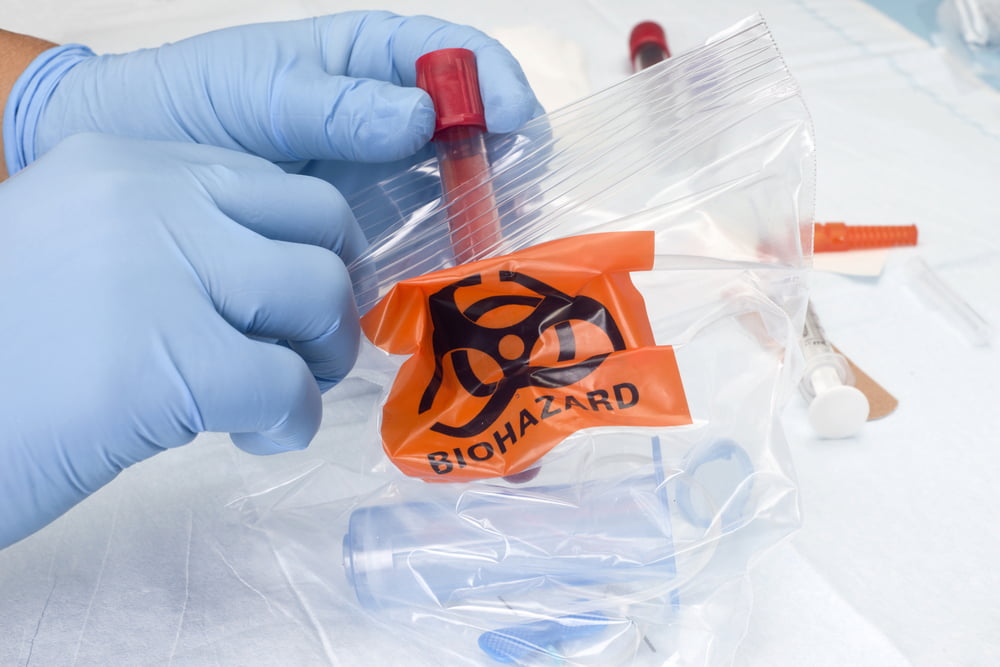
Is blood a biohazard? When it comes to blood, you should treat it should be treated as a biohazard. Why? You could easily expose someone to bloodborne diseases by accident.
Even if someone washes their hands and wears gloves, they can create blood diseases if they don’t follow proper protocols.
Need to dispose of blood? To ensure no one gets infected, visit our biohazard disposal Scarborough location. We’ll take it away and ensure it goes where it needs to go.
Keep reading to learn more about the reasons why blood is a biohazard.
Why Is Blood a Biohazard?
Blood is considered a biohazard for several reasons:
Blood Can Contain Infectious Agents
Blood can contain various infectious agents, including viruses, bacteria, and parasites. These agents can be spread through contact with contaminated blood, infected body fluids, or by inhaling or ingesting contaminated items.
Infection can occur when the infectious agent enters the bloodstream and begins to reproduce. It can occur from direct contact with infected blood and other body fluids or items contaminated by an infected person or animal. Click here to learn more about Bloodborne Pathogens, transmission methods, exposure, safety considerations, etc.
Blood Can Be Difficult To Clean
Blood can be difficult to clean, especially from fabrics or porous surfaces, because it contains proteins that bind to the fibers or porous materials. These proteins can cause staining, especially if the blood has been allowed to dry before cleaning begins.
Depending on what surface or material the blood is located on, different cleaning methods may be necessary to ensure proper removal. For instance, porous surfaces like carpets and fabric upholstery may require hot water and specialized detergents to remove proteins.
Blood Can Cause Emotional Distress
The sight of blood can trigger a strong emotional reaction in many people and can even cause trauma and distress. It is common to hear of people feeling anxious, scared, and overwhelmed upon encountering a situation with blood, such as at the sight of an injury.
This emotional response is due to several factors, including our natural aversion to the color red and the threat of potential contamination by blood. It is essential to realize that these emotional reactions are genuine and to work on coping with the distress that the sight of blood can trigger.
It Can Damage Equipment
Blood can damage equipment in both the operating room and the lab. It can leave stains and cause corrosion, which can cause equipment to break down or stop working.
Blood is a protein-rich fluid, and when it comes in contact with equipment, it can leave protein deposits on the surface, leading to corrosion in the long run. In the operating room, this could make it possible for surgical tools or other medical equipment to get infected by something else. In tests done in the lab, contamination could lead to erroneous results.
Yes, It Is
Is blood a biohazard? Yes, blood is a biohazard because it can carry unseen pathogens, bacteria, and other harmful organisms. Taking precautions when working with blood, such as wearing protective gear or disposing of it properly, is the best way to protect yourself and the people around you.
Contact a professional to learn more about proper blood handling protocols and how to be safe while working with biohazards.
Did you find the information in this article helpful? If so, check out our blog for more valuable resources.
Read Also
- Five operational checks for choking readiness in healthcare facilities
 A facility can have a choking poster on every wall and still be unprepared. Preparedness shows up when someone can recognize the emergency, call the right response, bring the right people and supplies to the room, and hand over clear information without losing time. That test belongs in operations as well as clinical education. The… Read more: Five operational checks for choking readiness in healthcare facilities
 - Understanding the Demand for Correctional Healthcare ProfessionalsHave you ever wondered who cares for people when they get sick inside a prison? Many people do not realize that jails and prisons need skilled medical teams every single day. By reading this guide, you will learn why these important jobs are growing fast and how you can join this rewarding career field. Caring… Read more: Understanding the Demand for Correctional Healthcare Professionals
- Patient Engagement and Pharmaceutical Support Services: Building a Better Patient JourneyPatients rarely experience healthcare as a simple, linear process. They may need to understand a diagnosis, determine whether they qualify for a clinical trial, gather medical records, navigate insurance requirements, arrange transportation, learn how to use a medication, and stay engaged with treatment for months or years. Serva Health is one example of a specialist… Read more: Patient Engagement and Pharmaceutical Support Services: Building a Better Patient Journey
- Industrial Container Recycling and Waste Management Services: A Practical Guide for BusinessesIndustrial container recycling is an essential part of responsible waste management for manufacturers, warehouses, laboratories, automotive businesses, chemical companies, food processors, and other organizations that regularly handle bulk materials. A strong example is Kelly Drums, a Mid-Atlantic provider of reconditioned drums and comprehensive container management solutions. The company specializes in the pickup, recycling, reconditioning, and… Read more: Industrial Container Recycling and Waste Management Services: A Practical Guide for Businesses
- BCBA & RBT Salary by State 2026 | Behavior Analyst PayPay in applied behavior analysis is harder to pin down than in almost any other healthcare field. Two professionals with the same certification can earn $40,000 apart for no reason other than the state line between them. So before you accept an offer, ask for a raise, or relocate for a bigger paycheck, it helps… Read more: BCBA & RBT Salary by State 2026 | Behavior Analyst Pay
- Top Strategies for Integrating Technology into Healthcare TrainingHave you ever wondered how healthcare workers learn new skills as medicine keeps changing? Today, new tools make learning easier, faster, and more flexible for many healthcare workers. Technology in healthcare training helps people learn from almost anywhere and practice skills in safe places. These tools can make learning more fun and easier to remember.… Read more: Top Strategies for Integrating Technology into Healthcare Training
- Why the Future of Healthcare Administration is Cloud-NativeThe operational demands placed on modern healthcare administrators have officially outpaced the capabilities of traditional IT infrastructure. While clinical medicine continues to advance at breakneck speed, the back-office systems required to support it often remain painfully stagnant. Today’s insurers, Third-Party Administrators (TPAs), and provider networks are forced to navigate an avalanche of daily claims, aggressive… Read more: Why the Future of Healthcare Administration is Cloud-Native