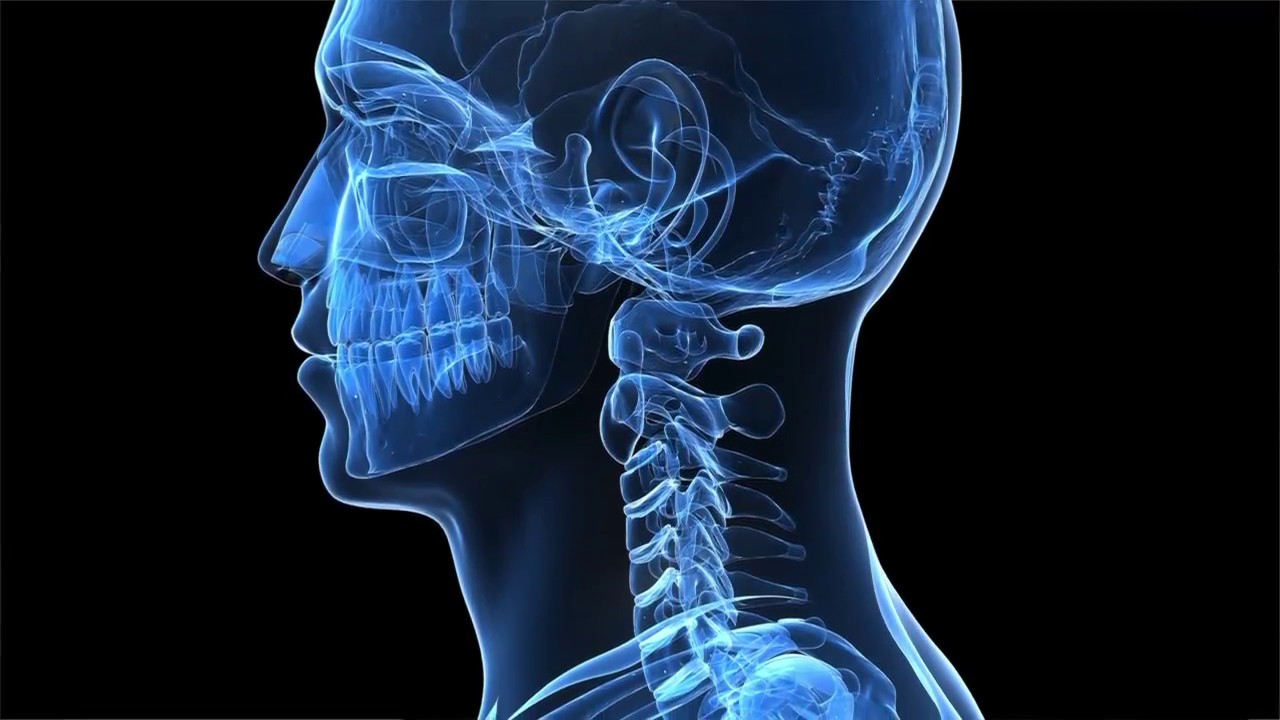
Head and neck cancers are a group of tumors that affect various parts of the head and neck area, including the oral cavity, pharynx, larynx, nasal cavity, paranasal sinuses, and salivary glands. These cancers can be challenging to treat due to their location and the vital functions that these parts of the body perform.
Fortunately, in 2023, several innovative treatments are emerging, giving patients new hope for effective cancer management and improved quality of life. Continue reading to find out more.
Immunotherapy: Revolutionizing Cancer Treatment
Immunotherapy has been a hot topic in cancer research for several years now, and it’s proving to be a game-changer for head and neck cancers
Immunotherapy drugs work by boosting the immune system’s ability to recognize and attack cancer cells. Currently, there are several immunotherapy drugs approved by the Food and Drug Administration (FDA) for head and neck cancers, such as pembrolizumab and nivolumab. These drugs can be used alone or in combination with other treatments such as chemotherapy or radiation therapy.
Targeted Therapy: Personalized Treatment for Head and Neck Cancers
Drugs used in targeted therapy for cancer are aimed directly at the molecules known to play a role in the development and spread of the disease.
Targeted therapy aims to kill cancer cells while sparing the normal ones, as opposed to the blanket approach of chemotherapy. This method yields superior therapeutic results with minimal adverse effects.
Medical professionals such as the cancer experts at Moffitt Cancer Center have been using targeted therapy for several years now, and in 2023, more targeted therapy drugs are expected to become available for head and neck cancers.
For instance, the FDA recently approved a new drug called selpercatinib for the treatment of specific types of thyroid cancer; and currently, it is also being studied for use in the treatment of cancers of the head and neck.
Radiation Therapy: New Techniques and Technologies
Radiation therapy is a type of cancer treatment that uses high-energy radiation to kill cancer cells. It’s been a mainstay of head and neck cancer treatment for many years, and in 2023, new techniques and technologies are emerging that are making radiation therapy more effective and less toxic.
One such technology is proton therapy, which delivers radiation to the tumor while sparing healthy tissues. Proton therapy is particularly useful for head and neck cancers, as it can minimize radiation exposure to critical structures including the spinal cord and brainstem.
Another technique is intensity-modulated radiation therapy (IMRT), which delivers precise doses of radiation to the tumor while avoiding nearby healthy tissues.
This approach reduces side effects such as dry mouth and difficulty swallowing, which are common with traditional radiation therapy.
Surgical Innovations: Less Invasive Procedures
Surgery is often used to remove head and neck tumors, but it can be a challenging procedure due to the complex anatomy of the area.
In recent years, several innovative surgical techniques have emerged that are making head and neck cancer surgery less invasive and more effective.
One such technique is transoral robotic surgery (TORS), which uses a robot to remove tumors through the mouth. TORS is less invasive than traditional surgery, resulting in less pain, faster recovery, and better cosmetic outcomes.
Sentinel lymph node biopsy is another method for detecting lymph node metastases without extensive surgery. The risk of side effects is minimized, and the lymphatic function is preserved, because only the lymph nodes most likely to contain cancer cells are treated.
Read Also
- Full-Arch Dental Tourism: Why UK Patients With Severe Bone Loss Are Looking Abroad
 Dental implants have become one of the fastest-growing segments of private dentistry. Within that market, one patient group behaves very differently from the rest: people who have been told they do not have enough upper jawbone for conventional implants. For these patients, the choice is rarely between one clinic and another. It is between a… Read more: Full-Arch Dental Tourism: Why UK Patients With Severe Bone Loss Are Looking Abroad
 - Levels of Mental Health Care and When to Seek SupportMental health care can range from occasional outpatient appointments to 24-hour hospital treatment. The appropriate level depends on safety, symptom severity, daily functioning, medical needs, available support, treatment history and personal preferences. A licensed clinician should assess these factors rather than relying on a symptom list alone. Need help now? In the United States, call… Read more: Levels of Mental Health Care and When to Seek Support
- How to Choose a Shilajit Brand Based on the ResearchIn a randomized trial published in the Journal of the International Society of Sports Nutrition in 2019, 63 active men took 250 mg of standardized shilajit, 500 mg, or a placebo every day for eight weeks, and the benefit for strength retention after a fatiguing workout appeared only at 500 mg. For anyone choosing a… Read more: How to Choose a Shilajit Brand Based on the Research
- How to Incorporate Relaxation into Your Busy ScheduleFinding balance when you have a packed daily agenda often feels out of reach. Between work duties, family obligations, and personal projects, personal rest usually gets pushed to the bottom of the list. Small, intentional shifts in daily habits can help restore calm without requiring hours of extra free time. Continue reading to discover everything… Read more: How to Incorporate Relaxation into Your Busy Schedule
- Red Light Therapy for Skin and Wellness: Meet Vital Red Light TherapyModern wellness is not always about complicated treatments or long routines. Many people are now looking for simple, convenient ways to support their skin, recovery, and overall wellness at home. One technology getting more attention is red light therapy. Red light therapy uses specific wavelengths of red and near-infrared light to support the body’s natural… Read more: Red Light Therapy for Skin and Wellness: Meet Vital Red Light Therapy
- Managing Shock Loss After a Hair Transplant: The Financial and Clinical Imperative of Post-Op CareIn the rapidly evolving landscape of private healthcare, executive leadership within cosmetic and restorative surgery clinics faces a dual challenge: maintaining strict clinical standards while maximizing patient lifetime value (LTV) and brand advocacy. As the global medical tourism and elective procedure markets expand, clinical outcome quality alone is no longer the sole differentiator for premium… Read more: Managing Shock Loss After a Hair Transplant: The Financial and Clinical Imperative of Post-Op Care