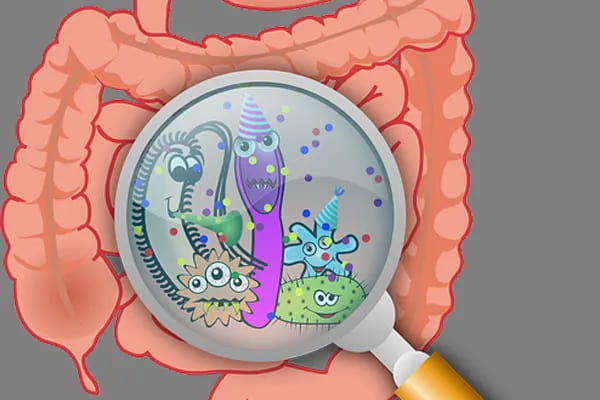
Digestive disorders are among the commonest health issues you may encounter in everyday life. Small Intestinal Bacterial Overgrowth (SIBO) is a potentially distressing digestive ailment that harms your gut health. The condition can be a normal nuisance as well as an alarm for some severe digestive problems.
Looking at the cure options, probiotics have come a long way in bringing positive results.
The following article throws light on the credibility of using probiotics for the treatment of SIBO symptoms.
SIBO: Definition and Symptoms
SIBO, or Small Intestinal Bacterial Overgrowth is a condition when a sufficiently large amount of bacterial growth occurs in the small intestine. The right spot for such growth is your colon. The disorder may also result from food poisoning, decreased quantities of stomach acid, frequent use of antibiotics, etc.
In most SIBO patients, the condition is accompanied by gastrointestinal issues. The promptly experienced symptoms include constipation, heartburn, diarrhea, bloating, gas, etc. The non-gastrointestinal symptoms of SIBO include anxiety, fatigue, and allergies.
Diagnosis and Treatment
SIBO is generally diagnosed with a stool or breath test, along with the examination of some clinical symptoms. Antibiotics are a common treatment for SIBO without harming the microbiota in the lower gastrointestinal tract. The treatment is, however, long-term and expensive. Probiotics have emerged as effective alternatives to these medicines.
Probiotics for SIBO: What’s the Impact?
Probiotics are being used for treating SIBO as a counterproductive cure. These are a class of micro-organisms that help in the betterment of digestive health. Consuming probiotics for SIBO mobilizes the growth of good bacteria in the gut to promote gastrointestinal motility. This leads to the replacement of SIBO-causing bacteria.
The healthy microbiota is restored, and hydrogen is produced in limited amounts. The cumulative effect is the reduction and elimination of SIBO symptoms. Probiotic treatment for SIBO needs a well-devised plan and expert advice for getting the best results.
Types of Probiotics for SIBO Treatment
Research shows that multispecies probiotics are the most effective in treating SIBO. While there are a host of supplements available, there are three main groups of probiotics. These are Saccharomyces Boulardii, Lactobacillus and Bifidobacteria blends, and Soil-based probiotics.
Saccharomyces Boulardii
This is non-pathogenic and transient yeast that supports the transit time of regular bowel movements. It alleviates SIBO symptoms by stimulating brush border enzyme activities in the small intestine. The probiotic also improves the uptake of electrolytes and water by augmentation of intestinal absorption of sodium and D-glucose. This is quite beneficial in controlling SIBO-induced diarrhea.
The yeast probiotic also helps in treating SIBO by increasing the concentration of short-chain fatty acids in the stool. This is vital for nourishing mucosal cells in the colon. It further improves digestive immunity and promotes a healthy inflammatory response.
Lactobacillus and Bifidobacteria Blends
This class of probiotics is a multispecies hypoallergenic formula that is composed of 12 different probiotic species. The powerful blends support the diversity and health of gut bacteria by supplying transient and colonizing strains. This leads to a healthy inflammatory response, along with a balanced microbiota.
The Lacto-Bifido supplements help increase the number of live microorganisms in the small intestine and GI tract. You should, however, consume these probiotics under expert medical advice and in the prescribed dose. Ignoring these facts may lead to harmful side effects as well.
Soil-based Probiotics
Soil-based probiotics are a hypoallergenic blend of 2 genetically approved species of bacteria. These are B. subtilis, and Bacillus coagulans, which promote immune function and gastrointestinal health. These species occur naturally on the earth.
This is a unique class of probiotics that stimulates the growth of balanced and healthy microbiota. These supplements do not need refrigeration and are free from gluten, soy, and casein. Soil-based probiotics have a long and stable shelf-life, without any pronounced side effects.
Studies prove the capability of probiotics to eliminate SIBO symptoms. They are a reliable treatment for this digestive disorder if consumed with expert consultation. The caution helps to avoid possible side effects. If you want to learn more about probiotics, you might be interested in this guide where we explain if protein powder should contain probiotics.
Read Also
- Full-Arch Dental Tourism: Why UK Patients With Severe Bone Loss Are Looking Abroad
 Dental implants have become one of the fastest-growing segments of private dentistry. Within that market, one patient group behaves very differently from the rest: people who have been told they do not have enough upper jawbone for conventional implants. For these patients, the choice is rarely between one clinic and another. It is between a… Read more: Full-Arch Dental Tourism: Why UK Patients With Severe Bone Loss Are Looking Abroad
 - Levels of Mental Health Care and When to Seek SupportMental health care can range from occasional outpatient appointments to 24-hour hospital treatment. The appropriate level depends on safety, symptom severity, daily functioning, medical needs, available support, treatment history and personal preferences. A licensed clinician should assess these factors rather than relying on a symptom list alone. Need help now? In the United States, call… Read more: Levels of Mental Health Care and When to Seek Support
- How to Choose a Shilajit Brand Based on the ResearchIn a randomized trial published in the Journal of the International Society of Sports Nutrition in 2019, 63 active men took 250 mg of standardized shilajit, 500 mg, or a placebo every day for eight weeks, and the benefit for strength retention after a fatiguing workout appeared only at 500 mg. For anyone choosing a… Read more: How to Choose a Shilajit Brand Based on the Research
- Can Outsourced Telepsychiatry Help Healthcare Organizations Keep Pace With Modern Mental Health Screening?Mental healthcare is changing quickly, but many hospitals, clinics, schools, correctional facilities, and community health organizations do not have enough psychiatric professionals available to turn new screening approaches into timely clinical care. Outsourced telepsychiatry offers one way to close that gap. FasPsych, for example, connects healthcare organizations with psychiatrists, psychiatric nurse practitioners, and other behavioral… Read more: Can Outsourced Telepsychiatry Help Healthcare Organizations Keep Pace With Modern Mental Health Screening?
- How to Incorporate Relaxation into Your Busy ScheduleFinding balance when you have a packed daily agenda often feels out of reach. Between work duties, family obligations, and personal projects, personal rest usually gets pushed to the bottom of the list. Small, intentional shifts in daily habits can help restore calm without requiring hours of extra free time. Continue reading to discover everything… Read more: How to Incorporate Relaxation into Your Busy Schedule
- Red Light Therapy for Skin and Wellness: Meet Vital Red Light TherapyModern wellness is not always about complicated treatments or long routines. Many people are now looking for simple, convenient ways to support their skin, recovery, and overall wellness at home. One technology getting more attention is red light therapy. Red light therapy uses specific wavelengths of red and near-infrared light to support the body’s natural… Read more: Red Light Therapy for Skin and Wellness: Meet Vital Red Light Therapy
- Managing Shock Loss After a Hair Transplant: The Financial and Clinical Imperative of Post-Op CareIn the rapidly evolving landscape of private healthcare, executive leadership within cosmetic and restorative surgery clinics faces a dual challenge: maintaining strict clinical standards while maximizing patient lifetime value (LTV) and brand advocacy. As the global medical tourism and elective procedure markets expand, clinical outcome quality alone is no longer the sole differentiator for premium… Read more: Managing Shock Loss After a Hair Transplant: The Financial and Clinical Imperative of Post-Op Care
- Transform Your Skin Health: Premier Gluta IV Therapy in DubaiThis comprehensive guide explores how modern intravenous wellness treatments can help revitalize your complexion, boost immune function, and support overall cellular health. By incorporating modern IV therapy Dubai services into a routine health regimen, individuals can achieve direct nutrient absorption for optimal results. Selecting a customized gluta IV drip Dubai treatment provides targeted antioxidant defense,… Read more: Transform Your Skin Health: Premier Gluta IV Therapy in Dubai