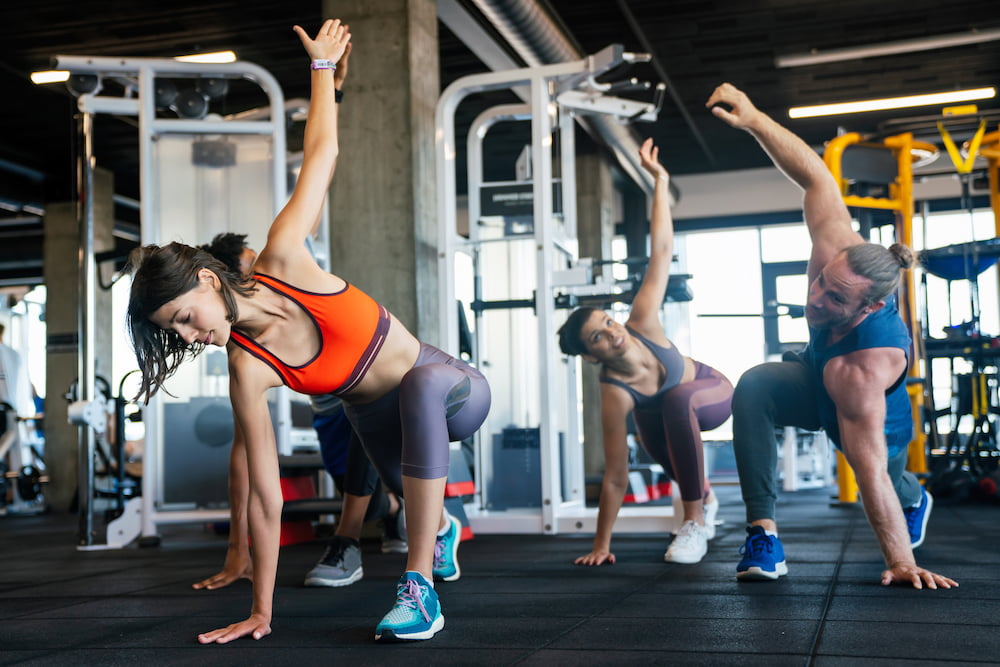
In today’s fast-paced world, sedentary lifestyles and unhealthy eating habits are becoming the new norm, making it more important than ever to make exercise a part of your daily routine.
A World Health Organization report shows that over 1.4 billion adults worldwide are not getting enough physical activity, putting them at risk for health problems like heart disease, diabetes, and cancer. Fortunately, starting a fitness journey is easier than you might think, and with the right tools, anyone can achieve their fitness goals.
This article will discuss the five workout essentials that every beginner needs to get started on the path to a healthier, happier life.
1- Weight Belt
A weight training belt, or lifting belt, is a sturdy belt worn around the waist during weightlifting exercises. It supports the lower back and core muscles, stabilizing the spine and reducing the risk of injury. Weight training belts are typically made of leather or synthetic materials and come in different sizes and thicknesses.
Wearing a weight training belt can benefit a beginner in several ways. First, it can prevent injuries to the lower back by providing support and stability during heavy lifting. Additionally, it can help beginners maintain proper form and technique by reminding them to engage their core muscles during exercises. This can lead to better results and faster progress in strength training.
Other benefits of wearing a training belt include increased intra-abdominal pressure, which can help increase the amount of weight lifted, and improved confidence and mental focus during workouts. However, it’s essential to note that a training belt should not be used as a substitute for proper form and technique. Also, it’s best to work with a trainer or coach to learn how to use a weight training belt effectively.
2- Comfortable Workout Clothes And Shoes
Wearing comfortable workout clothes and shoes is another thing to consider as a beginner. Comfortable clothing allows for a full range of motion during exercises, preventing injuries and enhancing your overall workout experience. Additionally, breathable fabrics can help keep you cool and dry during intense workouts.
Proper footwear also prevents injuries and improves performance. Comfortable athletic shoes provide the necessary support and cushioning for your feet and can reduce the impact on your joints when running and jumping. Wearing the wrong shoes can cause discomfort and put you at risk of injuries such as sprains, blisters, and strains.
3- Water Bottle
Staying hydrated is essential for maintaining your body’s fluid balance and regulating your core temperature during workouts. So, as a beginner in the gym, it’s necessary to have a water bottle on hand to encourage you to drink enough water throughout your workout session. Dehydration can cause fatigue, dizziness, and other symptoms that can affect your performance and even lead to more severe health issues.
In addition to keeping you hydrated, a water bottle is crucial when taking workout supplements. Many supplements, such as pre-workout and intra-workout formulas, must be mixed with water before consumption. A water bottle makes mixing and consuming these supplements easy during your workout.
4- Resistance Bands
Resistance bands are a versatile and cost-effective workout essential that can benefit beginners in numerous ways. They can target different muscle groups, provide a full-body workout, and help build strength, tone muscles, and increase flexibility and range of motion. Additionally, they offer a low-impact workout that is gentle on your joints and muscles, making them ideal for individuals with joint pains or injuries.
Moreover, resistance bands can be used to modify exercises to make them manageable, depending on your fitness level and goals. They are also highly portable and easy to use and store, making them convenient for working out at home or on the go. With various sizes and resistance levels available, resistance bands can be tailored to your fitness level and progression.
5- Fitness Tracker
Tracking your workout progress is highly recommended for beginners, and using an exercise tracker is an excellent way to do this. Fitness apps or wearable devices can help you monitor your daily activity levels, track your progress toward your fitness goals, and provide valuable insights into your workout performance.
Different types of fitness trackers are available, allowing you to log your workouts, count your steps and calories burned, and monitor your heart rate, sleep patterns, and more. Using an activity tracker as a beginner can help you stay motivated by clearly showing your progress over time, celebrating your successes, and identifying areas for improvement.
It can also help you set and achieve realistic fitness goals by tracking your progress and providing feedback and suggestions to help you stay on track. Additionally, exercise trackers can help you identify patterns and trends in your workout performance, allowing you to adjust your workout routine for better results.
Conclusion
Starting a workout routine can be intimidating, but with the right workout essentials, it can be a rewarding and enjoyable experience. From comfortable workout clothes and shoes to an exercise tracker and resistance bands, each essential can make your workouts more efficient, effective, and enjoyable.
Incorporating these essentials into your workout routine allows you to stay motivated, track your progress, and achieve your fitness goals while preventing injuries. Remember, consistency is key when it comes to working out, and with the right mindset and tools, you can make it a habit that will benefit you for years to come.
Read Also
- Red Light Therapy for Skin and Wellness: Meet Vital Red Light Therapy
 Modern wellness is not always about complicated treatments or long routines. Many people are now looking for simple, convenient ways to support their skin, recovery, and overall wellness at home. One technology getting more attention is red light therapy. Red light therapy uses specific wavelengths of red and near-infrared light to support the body’s natural… Read more: Red Light Therapy for Skin and Wellness: Meet Vital Red Light Therapy
 - Managing Shock Loss After a Hair Transplant: The Financial and Clinical Imperative of Post-Op CareIn the rapidly evolving landscape of private healthcare, executive leadership within cosmetic and restorative surgery clinics faces a dual challenge: maintaining strict clinical standards while maximizing patient lifetime value (LTV) and brand advocacy. As the global medical tourism and elective procedure markets expand, clinical outcome quality alone is no longer the sole differentiator for premium… Read more: Managing Shock Loss After a Hair Transplant: The Financial and Clinical Imperative of Post-Op Care
- Transform Your Skin Health: Premier Gluta IV Therapy in DubaiThis comprehensive guide explores how modern intravenous wellness treatments can help revitalize your complexion, boost immune function, and support overall cellular health. By incorporating modern IV therapy Dubai services into a routine health regimen, individuals can achieve direct nutrient absorption for optimal results. Selecting a customized gluta IV drip Dubai treatment provides targeted antioxidant defense,… Read more: Transform Your Skin Health: Premier Gluta IV Therapy in Dubai
- The Evolution of Dental Prosthetics: Innovation in Oral HealthDental replacements have improved a lot over time. Smiling, chewing, and speaking depend on having healthy teeth. When teeth break or go missing, today’s options can restore both function and confidence. Modern techniques make these replacements feel and look completely natural. Ancient Roots Of Tooth Replacement People have tried to replace lost teeth for thousands… Read more: The Evolution of Dental Prosthetics: Innovation in Oral Health
- How to Support a Loved One with Mental Health IssuesWatching someone you care about struggle with their mental health is difficult: you might feel helpless, confused, or even frustrated. You cannot cure a mental health condition with a simple conversation or a hug, no matter how much you wish you could. Your support can be the difference between them feeling isolated and feeling understood.… Read more: How to Support a Loved One with Mental Health Issues