


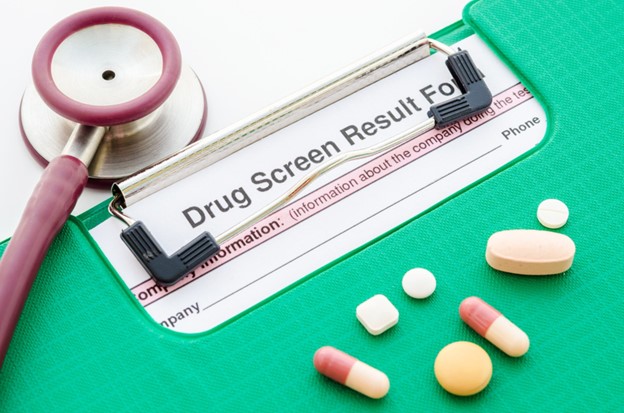
So how did this come about, and what has it led to today?
Whether it’s on television, in magazines or on the radio, we are bombarded with the latest medicine to help relieve our aches and pains.
We’re going to take a look at the journey of drug commercialization and cover everything there is to know about how the pharmaceutical industry has rocked up to where it is today.
Let’s go!
Patient Population
The journey of drug commercialization and patient population is a complex and ever-changing landscape. It begins with the drug development and testing of a new drug, which must go through rigorous clinical trials to ensure its safety and efficacy.
Once approved by regulatory agencies, the drug enters the market and begins targeting a specific patient population. This involves marketing and promotion strategies to raise awareness and educate healthcare providers about the drug.
Pricing and Market Access
Once approved by regulatory bodies, the company sets a price for the drug that takes into consideration the cost of development, production, and drug marketing, as well as potential competition and reimbursement policies. This process involves careful analysis and negotiation with payers and healthcare systems to ensure the drug is accessible and affordable for patients.
Market access strategies are also developed to navigate complex healthcare systems and reach target markets. This journey requires balancing the financial interests of the company with the need to provide life-changing treatments to patients.
Commercialization Know-How
The journey of drug commercialization know-how involves a long and complex process that begins with the discovery of a potential drug. Scientists and researchers then conduct rigorous testing and clinical trials to ensure the safety and efficacy of the drug.
Once approved by regulatory authorities, the drug goes through the commercialization process, where companies use a combination of marketing, pricing strategies, and distribution channels to bring the drug to market. This requires a deep understanding of the target market, potential competitors, and regulatory requirements.
Investor and Partner Interest
Drug commercialization starts with extensive research and development by scientists, pharmaceutical companies, and universities. Once a potential drug candidate is identified, the next step is to secure funding from investors and partners.
Investors carefully evaluate the potential return on investment, while partners bring in the necessary expertise and resources. They play a crucial role in the development, testing, and eventual commercialization of the drug.
Commercialization Uncertainty
This is filled with challenges, especially when it comes to the uncertainty surrounding the process. Commercialization is the final step in bringing a drug to market, but it is also the most crucial and unpredictable stage.
Companies invest millions of dollars into research and development, but there is no guarantee that the drug will be successful in the market. The uncertainty lies in various factors, such as regulatory approval, competition, and patent protection. Consult a CRO if you need professional advice about the pharmaceutical process.
Learn More About Drug Commercialization
In conclusion, the journey of drug commercialization is a complex and highly regulated process that requires collaboration among various stakeholders. By learning more about drug commercialization, we can better understand the development and distribution of medicines, ultimately making informed decisions about our own healthcare.
Did you find this article helpful? Check out the rest of our blog for more!
Read Also
- Full-Arch Dental Tourism: Why UK Patients With Severe Bone Loss Are Looking Abroad
 Dental implants have become one of the fastest-growing segments of private dentistry. Within that market, one patient group behaves very differently from the rest: people who have been told they do not have enough upper jawbone for conventional implants. For these patients, the choice is rarely between one clinic and another. It is between a… Read more: Full-Arch Dental Tourism: Why UK Patients With Severe Bone Loss Are Looking Abroad
 - Levels of Mental Health Care and When to Seek SupportMental health care can range from occasional outpatient appointments to 24-hour hospital treatment. The appropriate level depends on safety, symptom severity, daily functioning, medical needs, available support, treatment history and personal preferences. A licensed clinician should assess these factors rather than relying on a symptom list alone. Need help now? In the United States, call… Read more: Levels of Mental Health Care and When to Seek Support
- How to Choose a Shilajit Brand Based on the ResearchIn a randomized trial published in the Journal of the International Society of Sports Nutrition in 2019, 63 active men took 250 mg of standardized shilajit, 500 mg, or a placebo every day for eight weeks, and the benefit for strength retention after a fatiguing workout appeared only at 500 mg. For anyone choosing a… Read more: How to Choose a Shilajit Brand Based on the Research
- How to Incorporate Relaxation into Your Busy ScheduleFinding balance when you have a packed daily agenda often feels out of reach. Between work duties, family obligations, and personal projects, personal rest usually gets pushed to the bottom of the list. Small, intentional shifts in daily habits can help restore calm without requiring hours of extra free time. Continue reading to discover everything… Read more: How to Incorporate Relaxation into Your Busy Schedule
- Red Light Therapy for Skin and Wellness: Meet Vital Red Light TherapyModern wellness is not always about complicated treatments or long routines. Many people are now looking for simple, convenient ways to support their skin, recovery, and overall wellness at home. One technology getting more attention is red light therapy. Red light therapy uses specific wavelengths of red and near-infrared light to support the body’s natural… Read more: Red Light Therapy for Skin and Wellness: Meet Vital Red Light Therapy





