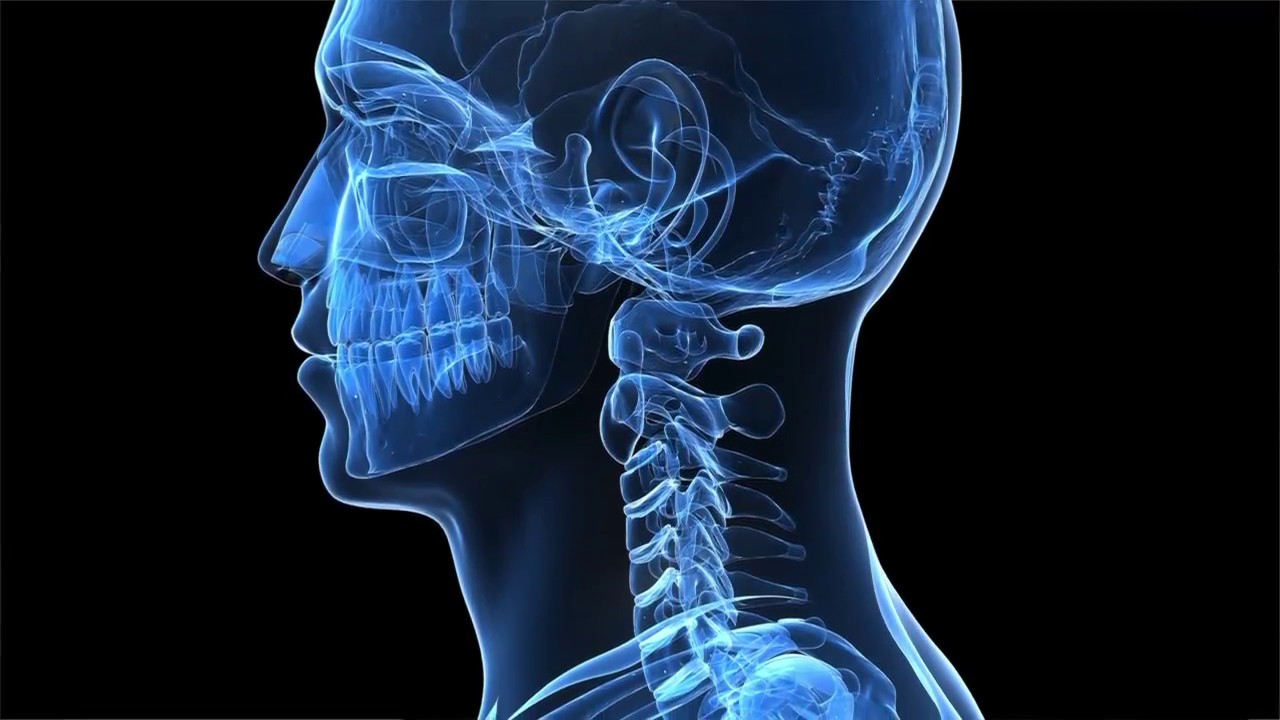
Head and neck cancers are a group of tumors that affect various parts of the head and neck area, including the oral cavity, pharynx, larynx, nasal cavity, paranasal sinuses, and salivary glands. These cancers can be challenging to treat due to their location and the vital functions that these parts of the body perform.
Fortunately, in 2023, several innovative treatments are emerging, giving patients new hope for effective cancer management and improved quality of life. Continue reading to find out more.
Immunotherapy: Revolutionizing Cancer Treatment
Immunotherapy has been a hot topic in cancer research for several years now, and it’s proving to be a game-changer for head and neck cancers
Immunotherapy drugs work by boosting the immune system’s ability to recognize and attack cancer cells. Currently, there are several immunotherapy drugs approved by the Food and Drug Administration (FDA) for head and neck cancers, such as pembrolizumab and nivolumab. These drugs can be used alone or in combination with other treatments such as chemotherapy or radiation therapy.
Targeted Therapy: Personalized Treatment for Head and Neck Cancers
Drugs used in targeted therapy for cancer are aimed directly at the molecules known to play a role in the development and spread of the disease.
Targeted therapy aims to kill cancer cells while sparing the normal ones, as opposed to the blanket approach of chemotherapy. This method yields superior therapeutic results with minimal adverse effects.
Medical professionals such as the cancer experts at Moffitt Cancer Center have been using targeted therapy for several years now, and in 2023, more targeted therapy drugs are expected to become available for head and neck cancers.
For instance, the FDA recently approved a new drug called selpercatinib for the treatment of specific types of thyroid cancer; and currently, it is also being studied for use in the treatment of cancers of the head and neck.
Radiation Therapy: New Techniques and Technologies
Radiation therapy is a type of cancer treatment that uses high-energy radiation to kill cancer cells. It’s been a mainstay of head and neck cancer treatment for many years, and in 2023, new techniques and technologies are emerging that are making radiation therapy more effective and less toxic.
One such technology is proton therapy, which delivers radiation to the tumor while sparing healthy tissues. Proton therapy is particularly useful for head and neck cancers, as it can minimize radiation exposure to critical structures including the spinal cord and brainstem.
Another technique is intensity-modulated radiation therapy (IMRT), which delivers precise doses of radiation to the tumor while avoiding nearby healthy tissues.
This approach reduces side effects such as dry mouth and difficulty swallowing, which are common with traditional radiation therapy.
Surgical Innovations: Less Invasive Procedures
Surgery is often used to remove head and neck tumors, but it can be a challenging procedure due to the complex anatomy of the area.
In recent years, several innovative surgical techniques have emerged that are making head and neck cancer surgery less invasive and more effective.
One such technique is transoral robotic surgery (TORS), which uses a robot to remove tumors through the mouth. TORS is less invasive than traditional surgery, resulting in less pain, faster recovery, and better cosmetic outcomes.
Sentinel lymph node biopsy is another method for detecting lymph node metastases without extensive surgery. The risk of side effects is minimized, and the lymphatic function is preserved, because only the lymph nodes most likely to contain cancer cells are treated.
Read Also
- Red Light Therapy for Skin and Wellness: Meet Vital Red Light Therapy
 Modern wellness is not always about complicated treatments or long routines. Many people are now looking for simple, convenient ways to support their skin, recovery, and overall wellness at home. One technology getting more attention is red light therapy. Red light therapy uses specific wavelengths of red and near-infrared light to support the body’s natural… Read more: Red Light Therapy for Skin and Wellness: Meet Vital Red Light Therapy
 - Managing Shock Loss After a Hair Transplant: The Financial and Clinical Imperative of Post-Op CareIn the rapidly evolving landscape of private healthcare, executive leadership within cosmetic and restorative surgery clinics faces a dual challenge: maintaining strict clinical standards while maximizing patient lifetime value (LTV) and brand advocacy. As the global medical tourism and elective procedure markets expand, clinical outcome quality alone is no longer the sole differentiator for premium… Read more: Managing Shock Loss After a Hair Transplant: The Financial and Clinical Imperative of Post-Op Care
- Transform Your Skin Health: Premier Gluta IV Therapy in DubaiThis comprehensive guide explores how modern intravenous wellness treatments can help revitalize your complexion, boost immune function, and support overall cellular health. By incorporating modern IV therapy Dubai services into a routine health regimen, individuals can achieve direct nutrient absorption for optimal results. Selecting a customized gluta IV drip Dubai treatment provides targeted antioxidant defense,… Read more: Transform Your Skin Health: Premier Gluta IV Therapy in Dubai
- The Evolution of Dental Prosthetics: Innovation in Oral HealthDental replacements have improved a lot over time. Smiling, chewing, and speaking depend on having healthy teeth. When teeth break or go missing, today’s options can restore both function and confidence. Modern techniques make these replacements feel and look completely natural. Ancient Roots Of Tooth Replacement People have tried to replace lost teeth for thousands… Read more: The Evolution of Dental Prosthetics: Innovation in Oral Health
- How to Support a Loved One with Mental Health IssuesWatching someone you care about struggle with their mental health is difficult: you might feel helpless, confused, or even frustrated. You cannot cure a mental health condition with a simple conversation or a hug, no matter how much you wish you could. Your support can be the difference between them feeling isolated and feeling understood.… Read more: How to Support a Loved One with Mental Health Issues
- Understanding Endometriosis: Causes, Symptoms, and Treatment OptionsMillions of people around the world deal with pelvic health problems. Many spend years looking for answers about ongoing pain or fertility issues. Understanding your health can help you speak up and get better care. Managing pelvic pain starts with knowing the causes and treatment options. Learning about symptoms also helps you decide when to… Read more: Understanding Endometriosis: Causes, Symptoms, and Treatment Options