In the wake of an accident, individuals often find themselves grappling with physical limitations and emotional distress. Yet, amidst the challenges, there lies a beacon of hope: the path to wellness through physiotherapy. Physiotherapy is a cornerstone in accident rehabilitation, offering recovery and a journey towards reclaiming one’s health and vitality.
In this article, we explore the pivotal role of physiotherapy in guiding accident survivors along this transformative path to wellness.
Understanding the Impact of Accidents
According to Milestone Physio & Wellness Clinic, whether minor or severe, accidents can inflict profound physical and psychological trauma. From fractures and muscle injuries to neurological damage, the aftermath of an accident can leave individuals struggling to perform daily activities. Moreover, the psychological toll of trauma often exacerbates the physical challenges, creating a complex web of obstacles to overcome.
Understanding the physical impact of accidents extends beyond immediate injuries to encompass long-term health consequences, rehabilitation needs, and the potential for disabilities. Chronic pain, reduced mobility, and psychological trauma are among the enduring physical effects that individuals may grapple with long after the initial event.
Sadly, even the number of accidents is increasing across the world. For instance, Canada saw an increase in the number by 1.3% compared to 2020. According to the government of Canada, the number of motor vehicle fatalities in 2021 was 1,768.
A study by the International Transport Forum shows that even road deaths increased in Canada. In 2022, there were 1,934 road deaths in the country. This is a 9.4% increase compared to the numbers in 2021. Even though the numbers were less in 2021 due to the pandemic restrictions, 1,934 is still 4.4% more than the average road deaths from 2017 to 2019.
Enter Physiotherapy: A Holistic Approach to Healing
Physiotherapy emerges as a beacon of hope in the aftermath of accidents. It offers a holistic approach to healing that addresses recovery’s physical and emotional dimensions. Unlike conventional treatments that merely focus on symptom management, physiotherapy delves deeper. It targets the root causes of dysfunction while empowering individuals to take charge of their rehabilitation journey.
Several studies suggest that physiotherapy is a necessity for several individuals. For instance, one NCBI study states that over ⅔ of patients require long-term therapy. The patients included in the study were ones with multiple fractures and traumatic brain injuries following vehicle accidents. Around 53.1 and 61.8% required occupational and physiotherapy, respectively.
Assessment and Individualized Treatment Plans
The personalized approach to treatment is central to the effectiveness of physiotherapy in accident rehabilitation. Upon assessment of the individual’s injuries, functional limitations, and goals, physiotherapists craft tailored treatment plans designed to optimize recovery outcomes. These plans may encompass diverse modalities, including therapeutic exercises, manual therapy techniques, electrotherapy, and hydrotherapy, among others.
The right therapist can create a personalized plan by employing a comprehensive approach tailored to each individual’s needs. Upon initial assessment, physiotherapists evaluate the extent of the injuries sustained.
They do this by considering factors such as the type and severity of trauma, pre-existing conditions, and the patient’s overall health status. This assessment is the foundation for developing a personalized treatment plan that addresses specific goals and concerns.
There are several physiotherapists available. For the unversed, Statista states that there were 67.5 physiotherapists employed in direct care per 100,000 population in 2022 in Canada.
However, you need to select a good local physiotherapist for this. Finding a local therapist is vital because car accident victims are usually not able to travel a lot due to mobility issues. In such scenarios, local physiotherapists become easily and quickly accessible for profound care.
Therefore, suppose you live in Edmonton, where the number of accidents is high. In 2021, there were 17,363 crashes in Edmonton, of which 1,689 collisions resulted in injury or fatality. In such cases, it is advised to seek help from a therapist offering physiotherapy in Edmonton.
Restoring Functionality Through Therapeutic Exercises
Therapeutic exercises lie at the heart of physiotherapy interventions as a cornerstone for restoring functionality and mobility. From gentle stretches to targeted strength training exercises, each regimen is meticulously tailored to address specific impairments and promote optimal healing.
Through consistent practice and guidance from skilled physiotherapists, individuals gradually regain strength, flexibility, and coordination. This paves the way for enhanced independence and quality of life.
In addition to physical benefits, therapeutic exercises can also play a role in pain management and promoting healing. By engaging in regular exercise, individuals can stimulate blood flow to injured tissues. This can help reduce inflammation and promote the delivery of nutrients and oxygen to the affected areas. Therefore, it can contribute to faster healing and recovery overall.
Harnessing the Power of Manual Therapy
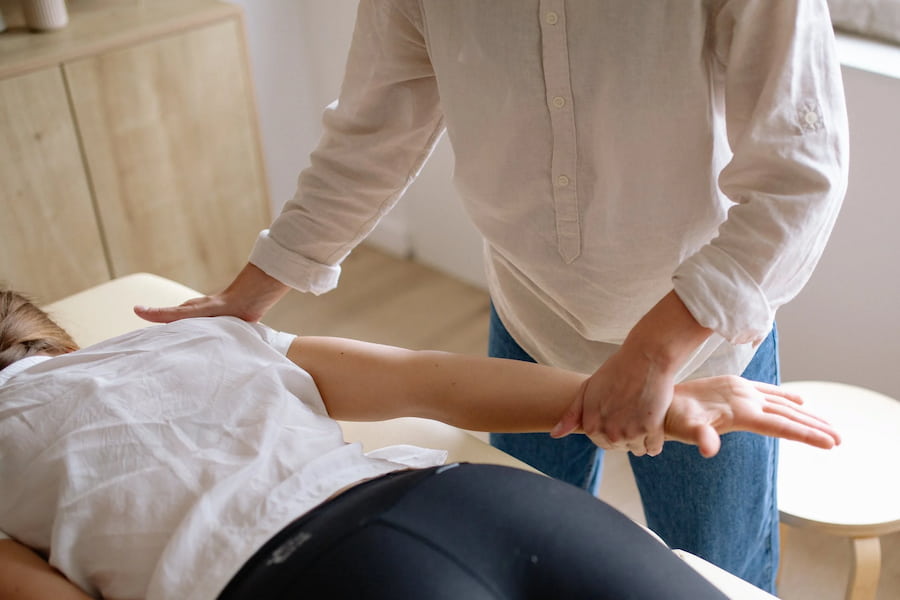
In addition to therapeutic exercises, manual therapy techniques are pivotal in accident rehabilitation. Physiotherapists alleviate pain, reduce muscle tension, and improve joint mobility through skilled hands-on interventions such as joint mobilization, soft tissue manipulation, and myofascial release.
Moreover, manual therapy fosters tissue healing, enhances circulation, and promotes relaxation. This facilitates the body’s innate capacity for recovery.
Pain Management and Functional Restoration
Chronic pain often emerges as a pervasive challenge in accident rehabilitation, hindering progress and diminishing quality of life. Recognizing the intricate interplay between physical discomfort and emotional distress, physiotherapy adopts a multifaceted approach to pain management.
By identifying contributing factors such as muscular imbalances, faulty movement patterns, and biomechanical stressors, physiotherapists devise comprehensive strategies to alleviate pain. They also help restore function and enhance overall well-being.
There are manual techniques as well as therapeutic modalities and ergonomic modifications to empower individuals to reclaim control over their bodies. In fact, physiotherapy can help manage pain arising from any reason and not only car accidents.
Therefore, many individuals undergo physiotherapy for various treatments, giving the industry a revenue boost. According to IBISWorld, the physical therapy industry is expected to grow at a CAGR of 3.0% to $4.3 billion by 2028.
Promoting Long-Term Wellness and Prevention
Beyond immediate recovery, physiotherapy fosters a culture of long-term wellness and prevention. It equips individuals with the knowledge, skills, and habits to safeguard their health in the years to come.
Through education on proper body mechanics, injury prevention strategies, and self-care practices, physiotherapists empower individuals to nurture their physical and mental well-being. Moreover, ongoing monitoring, periodic reassessment, and maintenance programs are pillars of support. They ensure that individuals continue to thrive on their journey toward sustained wellness.
To conclude, in the labyrinth of accident rehabilitation, physiotherapy shines as a guiding light. It illuminates the path to wellness with compassion, expertise, and unwavering dedication. Through personalized interventions, evidence-based practices, and a holistic approach to healing, physiotherapists empower individuals to transcend adversity and embrace resilience. As we navigate the complexities of recovery, let us embrace the profound potential of physiotherapy to inspire healing and restore hope.
Did you find this helpful? Check out our other helpful articles on our website.
Read Also
- Full-Arch Dental Tourism: Why UK Patients With Severe Bone Loss Are Looking Abroad
 Dental implants have become one of the fastest-growing segments of private dentistry. Within that market, one patient group behaves very differently from the rest: people who have been told they do not have enough upper jawbone for conventional implants. For these patients, the choice is rarely between one clinic and another. It is between a… Read more: Full-Arch Dental Tourism: Why UK Patients With Severe Bone Loss Are Looking Abroad
 - Levels of Mental Health Care and When to Seek SupportMental health care can range from occasional outpatient appointments to 24-hour hospital treatment. The appropriate level depends on safety, symptom severity, daily functioning, medical needs, available support, treatment history and personal preferences. A licensed clinician should assess these factors rather than relying on a symptom list alone. Need help now? In the United States, call… Read more: Levels of Mental Health Care and When to Seek Support
- How to Choose a Shilajit Brand Based on the ResearchIn a randomized trial published in the Journal of the International Society of Sports Nutrition in 2019, 63 active men took 250 mg of standardized shilajit, 500 mg, or a placebo every day for eight weeks, and the benefit for strength retention after a fatiguing workout appeared only at 500 mg. For anyone choosing a… Read more: How to Choose a Shilajit Brand Based on the Research
- How to Incorporate Relaxation into Your Busy ScheduleFinding balance when you have a packed daily agenda often feels out of reach. Between work duties, family obligations, and personal projects, personal rest usually gets pushed to the bottom of the list. Small, intentional shifts in daily habits can help restore calm without requiring hours of extra free time. Continue reading to discover everything… Read more: How to Incorporate Relaxation into Your Busy Schedule
- Red Light Therapy for Skin and Wellness: Meet Vital Red Light TherapyModern wellness is not always about complicated treatments or long routines. Many people are now looking for simple, convenient ways to support their skin, recovery, and overall wellness at home. One technology getting more attention is red light therapy. Red light therapy uses specific wavelengths of red and near-infrared light to support the body’s natural… Read more: Red Light Therapy for Skin and Wellness: Meet Vital Red Light Therapy
- Managing Shock Loss After a Hair Transplant: The Financial and Clinical Imperative of Post-Op CareIn the rapidly evolving landscape of private healthcare, executive leadership within cosmetic and restorative surgery clinics faces a dual challenge: maintaining strict clinical standards while maximizing patient lifetime value (LTV) and brand advocacy. As the global medical tourism and elective procedure markets expand, clinical outcome quality alone is no longer the sole differentiator for premium… Read more: Managing Shock Loss After a Hair Transplant: The Financial and Clinical Imperative of Post-Op Care
- Transform Your Skin Health: Premier Gluta IV Therapy in DubaiThis comprehensive guide explores how modern intravenous wellness treatments can help revitalize your complexion, boost immune function, and support overall cellular health. By incorporating modern IV therapy Dubai services into a routine health regimen, individuals can achieve direct nutrient absorption for optimal results. Selecting a customized gluta IV drip Dubai treatment provides targeted antioxidant defense,… Read more: Transform Your Skin Health: Premier Gluta IV Therapy in Dubai
- The Evolution of Dental Prosthetics: Innovation in Oral HealthDental replacements have improved a lot over time. Smiling, chewing, and speaking depend on having healthy teeth. When teeth break or go missing, today’s options can restore both function and confidence. Modern techniques make these replacements feel and look completely natural. Ancient Roots Of Tooth Replacement People have tried to replace lost teeth for thousands… Read more: The Evolution of Dental Prosthetics: Innovation in Oral Health