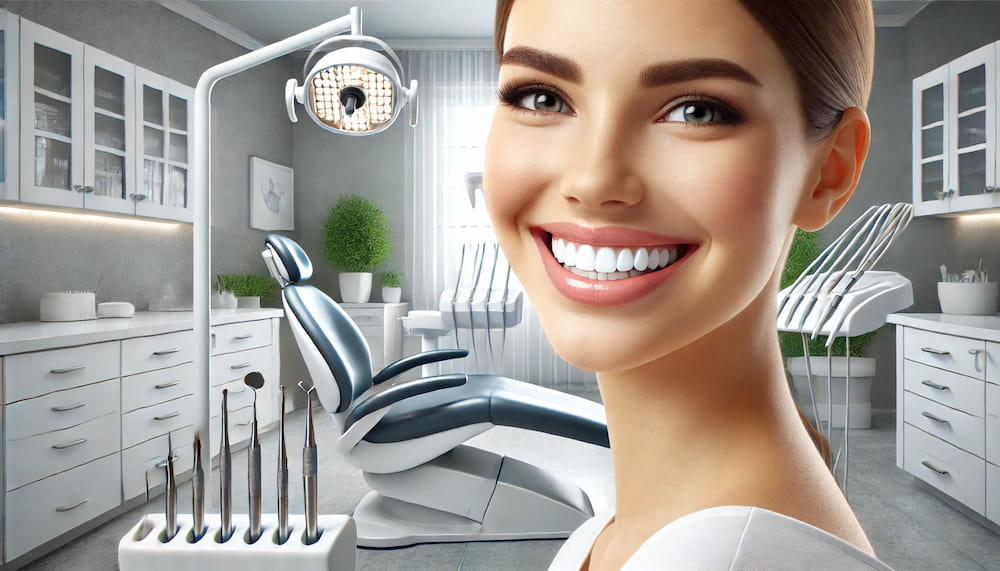
Dental veneers are a popular solution for achieving a beautiful, natural-looking smile. Often used to address issues such as discoloration, chipped teeth, gaps, or minor misalignments, veneers offer a long-lasting and minimally invasive way to improve the appearance of teeth. Here’s everything you need to know about dental veneers, from the different types available to the procedure and aftercare.
What Are Dental Veneers?
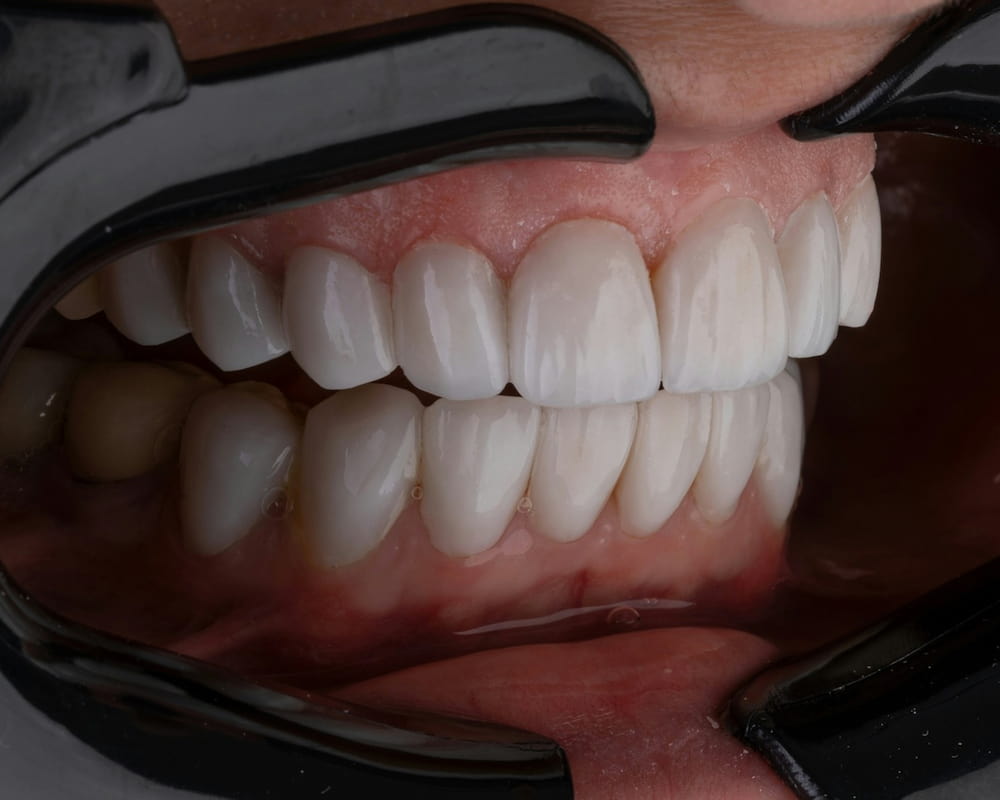
Dental veneers are thin shells which have been made specifically for an individual. They are designed to cover the front surface of teeth, improving their appearance by altering their color, shape, size, or length. Veneers generally are formed from porcelain or composite resin, both of which offer different benefits depending on individual needs and budget. Once bonded to the teeth, veneers provide a natural, attractive appearance that can last for years with proper care.
Types of Dental Veneers
There are two primary types of veneers:
– Porcelain Veneers: Porcelain is a durable, stain-resistant material that closely mimics the natural look of tooth enamel. Porcelain veneers are custom-made in a lab, which makes them more costly, but they generally last longer and have a more natural appearance. They are a great option for those seeking a high-quality, long-term solution.
– Composite Resin Veneers: Composite resin veneers are made from a tooth-coloured filling material and can often be applied in a single dental visit. While not as durable or stain-resistant as porcelain, composite veneers are more affordable, particularly as they can be easily repaired if damaged. They are a suitable choice for those seeking a quicker and more budget-friendly option.
The Veneer Procedure
The process for getting veneers typically involves two to three dental visits, although it can vary depending on the type of veneer. Here’s a general overview of what to expect:
1- Consultation and Assessment: When looking into cosmetic dentistry near San Antonio, Texas or near where you live, your dentist will first assess your teeth, discuss your goals, and help you decide if veneers are the right solution for you. They may take X-rays or impressions of your teeth to get a precise idea of your mouth structure.
2- Preparation: To prepare for porcelain veneers, a small amount of enamel is removed from the front surface of the teeth to make room for the veneer. This step is usually minimal, ensuring the veneer fits naturally. For composite veneers, preparation may be less extensive or not required at all.
3- Placement: For porcelain veneers, custom-made shells are crafted in a dental lab, a process that takes about 1-2 weeks. Once ready, the dentist will bond them to your teeth using a special adhesive. Composite veneers, on the other hand, are applied directly to the teeth and then sculpted during the appointment.
Caring for Your Veneers
Caring for veneers is quite simple once they’re fitted. Stick to a regular oral hygiene routine by brushing twice daily, flossing, and visiting your dentist for check-ups. Although veneers are strong, it’s wise to avoid biting hard objects to prevent potential chipping or damage. Porcelain veneers resist staining effectively, but composite veneers may benefit from occasional polishing to keep them looking their best.
Benefits of Dental Veneers
Dental veneers offer numerous benefits, making them a popular choice for cosmetic enhancements. They provide a natural look, improve confidence, and address various aesthetic issues such as discoloration and minor misalignments. Unlike crowns, veneers require less removal of natural tooth structure, preserving more of the original tooth.
Are Veneers Right for You?
Veneers provide a fantastic option for individuals seeking a natural-looking, durable enhancement to their smile. However, they may not be ideal for everyone, especially for those with significant tooth decay, gum disease, or weakened teeth. It’s crucial to consult a dental professional to assess if veneers are suitable for your specific dental requirements.
Dental veneers can transform your smile, boosting both appearance and confidence. By understanding the process, types, and care involved, you can make an informed decision and enjoy a radiant smile for years to come.
Did you find this helpful? Check out our other helpful articles on our website.
Read Also
- Top Trends Shaping the Future of Mental Health Care
 Mental health care is moving fast to meet daily human needs. People want direct care that fits modern life. Clinics respond by creating flexible options that make healing easier to reach. Providers look past rigid habits to give people solid care. From smart tools to body wellness, these changes help people find relief when life… Read more: Top Trends Shaping the Future of Mental Health Care
 - Full-Arch Dental Tourism: Why UK Patients With Severe Bone Loss Are Looking AbroadDental implants have become one of the fastest-growing segments of private dentistry. Within that market, one patient group behaves very differently from the rest: people who have been told they do not have enough upper jawbone for conventional implants. For these patients, the choice is rarely between one clinic and another. It is between a… Read more: Full-Arch Dental Tourism: Why UK Patients With Severe Bone Loss Are Looking Abroad
- Levels of Mental Health Care and When to Seek SupportMental health care can range from occasional outpatient appointments to 24-hour hospital treatment. The appropriate level depends on safety, symptom severity, daily functioning, medical needs, available support, treatment history and personal preferences. A licensed clinician should assess these factors rather than relying on a symptom list alone. Need help now? In the United States, call… Read more: Levels of Mental Health Care and When to Seek Support
- How to Choose a Shilajit Brand Based on the ResearchIn a randomized trial published in the Journal of the International Society of Sports Nutrition in 2019, 63 active men took 250 mg of standardized shilajit, 500 mg, or a placebo every day for eight weeks, and the benefit for strength retention after a fatiguing workout appeared only at 500 mg. For anyone choosing a… Read more: How to Choose a Shilajit Brand Based on the Research
- How to Incorporate Relaxation into Your Busy ScheduleFinding balance when you have a packed daily agenda often feels out of reach. Between work duties, family obligations, and personal projects, personal rest usually gets pushed to the bottom of the list. Small, intentional shifts in daily habits can help restore calm without requiring hours of extra free time. Continue reading to discover everything… Read more: How to Incorporate Relaxation into Your Busy Schedule
- Red Light Therapy for Skin and Wellness: Meet Vital Red Light TherapyModern wellness is not always about complicated treatments or long routines. Many people are now looking for simple, convenient ways to support their skin, recovery, and overall wellness at home. One technology getting more attention is red light therapy. Red light therapy uses specific wavelengths of red and near-infrared light to support the body’s natural… Read more: Red Light Therapy for Skin and Wellness: Meet Vital Red Light Therapy
- Managing Shock Loss After a Hair Transplant: The Financial and Clinical Imperative of Post-Op CareIn the rapidly evolving landscape of private healthcare, executive leadership within cosmetic and restorative surgery clinics faces a dual challenge: maintaining strict clinical standards while maximizing patient lifetime value (LTV) and brand advocacy. As the global medical tourism and elective procedure markets expand, clinical outcome quality alone is no longer the sole differentiator for premium… Read more: Managing Shock Loss After a Hair Transplant: The Financial and Clinical Imperative of Post-Op Care
- Transform Your Skin Health: Premier Gluta IV Therapy in DubaiThis comprehensive guide explores how modern intravenous wellness treatments can help revitalize your complexion, boost immune function, and support overall cellular health. By incorporating modern IV therapy Dubai services into a routine health regimen, individuals can achieve direct nutrient absorption for optimal results. Selecting a customized gluta IV drip Dubai treatment provides targeted antioxidant defense,… Read more: Transform Your Skin Health: Premier Gluta IV Therapy in Dubai