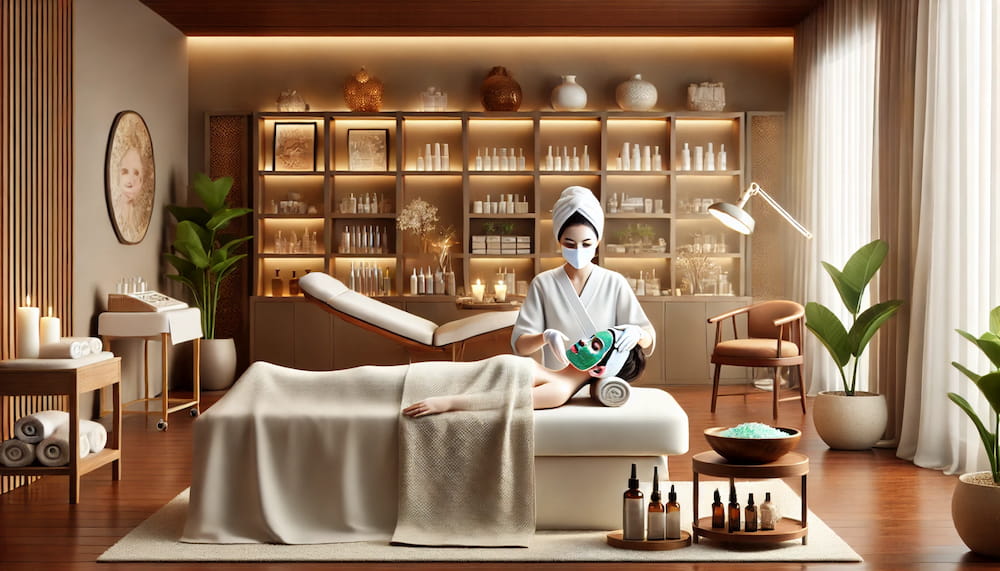
For those struggling with acne, a facial at the spa can offer targeted, professional care to complement your skincare routine. While at-home treatments are essential, a professional facial can provide deep cleansing, gentle exfoliation, and specific treatments that are challenging to replicate at home. Acne-focused facials are designed to target the causes of breakouts while promoting clearer, healthier skin. Here’s what to expect from an acne care facial treatment at the spa and how it can help manage acne effectively.
1. Initial Skin Consultation and Analysis
For people looking for professional facials near Washington DC or near where they live, an acne care facial should always begin with a thorough skin consultation and analysis. Your esthetician will examine your skin, assess the type and severity of your acne, and discuss your skincare history, lifestyle, and goals. This step is essential for creating a personalized treatment plan, as acne can vary widely between individuals. Some people may struggle with blackheads or whiteheads, while others may have inflammatory acne or cystic acne. By understanding your skin’s needs, the esthetician can tailor the facial to address your specific concerns, ensuring the treatment is effective and suitable for your skin type.
2. Deep Cleansing
An acne facial typically starts with a gentle yet thorough cleansing to remove impurities, oil, and makeup residue. Cleansing prepares your skin for the rest of the treatment by creating a clean surface and preventing further pore congestion. The esthetician will use a cleanser suited for acne-prone skin, often one with ingredients like salicylic acid or tea tree oil, which help reduce oil production and have anti-inflammatory properties.
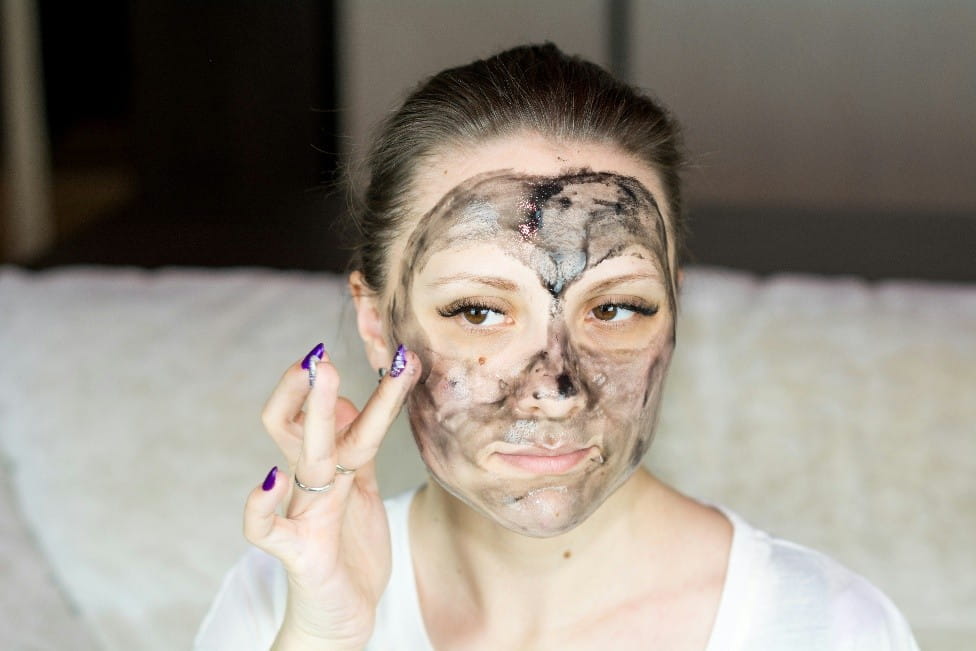
3. Exfoliation to Unclog Pores
Exfoliation is a crucial part of an acne facial, as it removes dead skin cells that can clog pores and lead to breakouts. Professional exfoliation can be achieved through mild chemical exfoliants or gentle physical exfoliants. Chemical exfoliants, such as alpha hydroxy acids (AHAs) or beta hydroxy acids (BHAs), penetrate deeper than typical scrubs, effectively loosening dead skin and oil trapped within pores. This process reduces acne-causing blockages and leaves your skin feeling smooth and refreshed.
4. Steam and Extractions
Steam is often applied to the face after exfoliation, helping to soften pores and prepare them for extractions. Extractions are a safe, controlled way to remove blackheads and whiteheads without causing skin damage, which can happen when done improperly at home. The esthetician will use sterile tools and techniques to extract pore blockages gently, reducing the risk of spreading bacteria and preventing future breakouts. This step is beneficial for acne-prone skin, as it removes impurities and allows for better product absorption in the subsequent steps.
5. Acne-Treating Masks and Serums
After extractions, the esthetician may apply a soothing mask or acne-specific treatment to calm the skin and address acne-related inflammation. These masks often contain ingredients like clay or charcoal to absorb excess oil, as well as salicylic acid or benzoyl peroxide to fight acne-causing bacteria. Anti-inflammatory ingredients like aloe vera, green tea extract, or chamomile may also be used to soothe redness and reduce irritation, helping to calm active breakouts and support skin recovery.
Serums and treatments containing active ingredients, such as niacinamide or retinoids, may be applied to target acne scars, even skin tone, and prevent future breakouts. These powerful ingredients penetrate deeper into the skin, allowing for long-lasting benefits.
6. LED Light Therapy and Finishing Touches
Many acne facials now incorporate advanced technologies, such as LED light therapy. Blue light, in particular, is known for its ability to reduce acne-causing bacteria on the skin. LED therapy is a non-invasive treatment that complements other steps in the facial, providing additional antibacterial and anti-inflammatory benefits.
Finally, the facial will conclude with the application of a moisturizer and sunscreen, both tailored to acne-prone skin. These finishing touches help to protect your skin and maintain hydration, as balanced moisture is essential to prevent the overproduction of oil.
Benefits of an Acne Facial
An acne care facial not only addresses active breakouts but also focuses on long-term skin health. By thoroughly cleansing, gently exfoliating, and removing blockages, an acne facial can help reduce acne severity over time. Regular facials can also support better skincare habits and enhance the effectiveness of your at-home routine. Additionally, professional facials can leave your skin feeling refreshed and rejuvenated, with reduced redness and a clearer complexion.
Aftercare and Maintenance
After your acne facial, following an aftercare routine is essential to protect your skin and prolong the benefits of the treatment. Avoid touching your face, use gentle products, and apply sunscreen daily. Stick to your esthetician’s recommended skincare regimen to maintain your results and prevent future breakouts.
In summary, an acne facial at the spa is a valuable addition to your skincare routine, offering targeted treatment and professional techniques that support clearer, healthier skin. With regular sessions, an acne facial can complement at-home efforts, bringing you closer to your skincare goals.
Did you find this helpful? Check out our other helpful articles on our website.
Read Also
- The Best Low-Maintenance Landscaping Ideas for Ontario/BC Homeowners
 For homeowners in Ontario and British Columbia, the yard is a sanctuary, but the maintenance required to keep it beautiful can often feel like a full-time job. Whether you are dealing with the humid, high-growth summers of Southern Ontario or the lush, moss-prone environments of the BC coast, the goal of modern landscaping has shifted:… Read more: The Best Low-Maintenance Landscaping Ideas for Ontario/BC Homeowners
 - Understanding the Impacts of Metabolic Rates on General HealthYour metabolic rate plays a bigger role in your health than you might think. It controls how your body turns food into energy every single day. When metabolism is balanced, you may feel more active and focused. If it slows down or speeds up too much, problems can appear. It can affect weight, energy levels,… Read more: Understanding the Impacts of Metabolic Rates on General Health
- When to Take Your Child to the Pediatrician vs. Urgent Care: A Practical GuideFew parenting decisions feel more uncertain than the one made at 9 PM with a feverish toddler in your lap. Is this a wait-until-morning situation? A drive-to-urgent-care situation? A call-the-pediatrician’s-after-hours-line situation? Knowing the framework for these decisions cuts down on stress, reduces unnecessary trips, and makes sure your child gets the right care at the… Read more: When to Take Your Child to the Pediatrician vs. Urgent Care: A Practical Guide
- Well-Child Visits Explained: What Happens at Each Checkup and Why They MatterWell-child visits are one of the most useful — and most underestimated — tools in pediatric care. Many parents think of them as a vaccination delivery system, but they’re actually structured developmental checkpoints designed to catch issues early, track healthy growth, and give parents a regular opportunity to ask questions about everything from sleep to… Read more: Well-Child Visits Explained: What Happens at Each Checkup and Why They Matter
- Sprained Ankle vs. Fracture: How to Tell the Difference and What to Do NextA rolled ankle is one of the most common injuries in everyday life — a missed step on a curb, an awkward landing during a pickup game, a slip on uneven ground. Most of the time it’s a sprain that heals with rest. Sometimes it’s actually a fracture, and the two can be surprisingly hard… Read more: Sprained Ankle vs. Fracture: How to Tell the Difference and What to Do Next
- Plantar Fasciitis, Bunions, and Heel Pain: When Conservative Care Isn’t EnoughFoot pain is often dismissed as a nuisance — something to push through, stretch out, or ignore until it goes away. And in fairness, many cases do resolve with rest, better shoes, and basic stretching. But certain conditions can quietly worsen for months or years before patients seek help, by which point conservative options have… Read more: Plantar Fasciitis, Bunions, and Heel Pain: When Conservative Care Isn’t Enough
- Is Joint Replacement Right for You? Questions to Ask Before SurgeryJoint replacement is one of the most successful procedures in modern medicine — but it’s still major surgery, and it’s not the right answer for everyone. If chronic hip or knee pain has reached the point where you’re considering replacement, the questions you ask before scheduling can shape your outcome as much as the procedure… Read more: Is Joint Replacement Right for You? Questions to Ask Before Surgery
- When Knee Pain Won’t Go Away: Signs It’s Time to See an Orthopedic SpecialistKnee pain is one of those things many people try to ignore — until it starts limiting what they can do. A twinge after a workout is one thing; pain that lingers for weeks, swells without explanation, or makes the stairs feel like a mountain is something else entirely. Knowing when to stop self-treating and… Read more: When Knee Pain Won’t Go Away: Signs It’s Time to See an Orthopedic Specialist