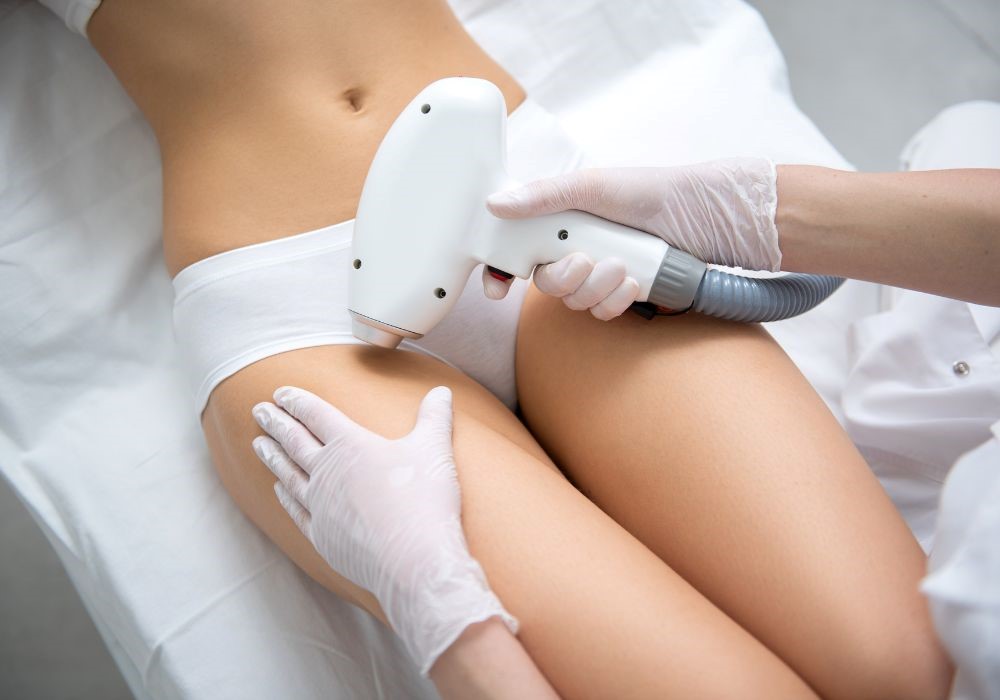
People want lasting results from their beauty and health treatments, which means the healthcare and beauty industries often overlap in subject material and clientele. While your healthcare or beauty business may not offer your clients both of these overlapping industries, they probably still ask your professional opinion about specific treatments. One beauty treatment that many people wonder about is Brazilian waxes. They want to know if there are health benefits to these waxes and what those health benefits are. Keep reading to learn what you can tell your clients about this treatment.
Health and Aesthetic Benefits
The short answer to the common question about intimate waxing benefits is that, yes, there are some health and aesthetic benefits. The aesthetic benefits are more evident since waxing removes all hair from a given area, providing a smooth look. The health benefits, meanwhile, relate to the client’s skin.
There are some misconceptions that removing hair from intimate areas can decrease the risk of health problems such as urinary tract infections. Inform your clients that this is not one of the health benefits they can expect. However, they can expect the benefits we describe below.
Deep Exfoliation
Exfoliation is the process of removing dead skin cells from the surface of someone’s skin, often using a granular substance or exfoliation tool. Dead skin builds up all over our bodies, including in intimate areas, every month as the epidermis sheds and renews.
This dead skin can clog pores, creating acne and other skin problems. Removing this dead skin helps keep pores clean so the skin can breathe.
Intimate skin pores can clog from this dead skin build-up and other factors, such as the frequent sweat, heat, and friction this skin experiences.
Waxing, especially with soft wax, has deep exfoliating benefits, which can clean out these pores. Cleaner pores mean less skin irritation and acne, which many people want in such intimate areas of their bodies.
Increased Blood Flow and Collagen
Exfoliation has additional skin benefits, not just cleaning your client’s pores. Exfoliation and the pulling sensation from waxing can help increase blood flow throughout the waxed area. Increased blood flow has many skin benefits, including keeping pores open and an increase in collagen production.
Collagen is a fibrous, supportive protein found throughout the human body, including in the skin. Its role in your client’s skin is to help the skin cells adhere to each other.
This adhesion keeps skin strong and elastic. Increased blood flow and collagen production are two of the best benefits that clients can expect during a Brazilian waxing session.
When your health and beauty clients ask if there are health benefits to Brazilian waxes, you can tell them yes.
If your practice combines the health and beauty industry, you can immediately offer your clients those benefits with Brazilian waxing services. Stand-alone health practices can partner with salons in the area to recommend safe, professional locations for these and other waxing services.
Read Also
- The Best Low-Maintenance Landscaping Ideas for Ontario/BC Homeowners
 For homeowners in Ontario and British Columbia, the yard is a sanctuary, but the maintenance required to keep it beautiful can often feel like a full-time job. Whether you are dealing with the humid, high-growth summers of Southern Ontario or the lush, moss-prone environments of the BC coast, the goal of modern landscaping has shifted:… Read more: The Best Low-Maintenance Landscaping Ideas for Ontario/BC Homeowners
 - Understanding the Impacts of Metabolic Rates on General HealthYour metabolic rate plays a bigger role in your health than you might think. It controls how your body turns food into energy every single day. When metabolism is balanced, you may feel more active and focused. If it slows down or speeds up too much, problems can appear. It can affect weight, energy levels,… Read more: Understanding the Impacts of Metabolic Rates on General Health
- When to Take Your Child to the Pediatrician vs. Urgent Care: A Practical GuideFew parenting decisions feel more uncertain than the one made at 9 PM with a feverish toddler in your lap. Is this a wait-until-morning situation? A drive-to-urgent-care situation? A call-the-pediatrician’s-after-hours-line situation? Knowing the framework for these decisions cuts down on stress, reduces unnecessary trips, and makes sure your child gets the right care at the… Read more: When to Take Your Child to the Pediatrician vs. Urgent Care: A Practical Guide
- Well-Child Visits Explained: What Happens at Each Checkup and Why They MatterWell-child visits are one of the most useful — and most underestimated — tools in pediatric care. Many parents think of them as a vaccination delivery system, but they’re actually structured developmental checkpoints designed to catch issues early, track healthy growth, and give parents a regular opportunity to ask questions about everything from sleep to… Read more: Well-Child Visits Explained: What Happens at Each Checkup and Why They Matter
- Sprained Ankle vs. Fracture: How to Tell the Difference and What to Do NextA rolled ankle is one of the most common injuries in everyday life — a missed step on a curb, an awkward landing during a pickup game, a slip on uneven ground. Most of the time it’s a sprain that heals with rest. Sometimes it’s actually a fracture, and the two can be surprisingly hard… Read more: Sprained Ankle vs. Fracture: How to Tell the Difference and What to Do Next
- Plantar Fasciitis, Bunions, and Heel Pain: When Conservative Care Isn’t EnoughFoot pain is often dismissed as a nuisance — something to push through, stretch out, or ignore until it goes away. And in fairness, many cases do resolve with rest, better shoes, and basic stretching. But certain conditions can quietly worsen for months or years before patients seek help, by which point conservative options have… Read more: Plantar Fasciitis, Bunions, and Heel Pain: When Conservative Care Isn’t Enough