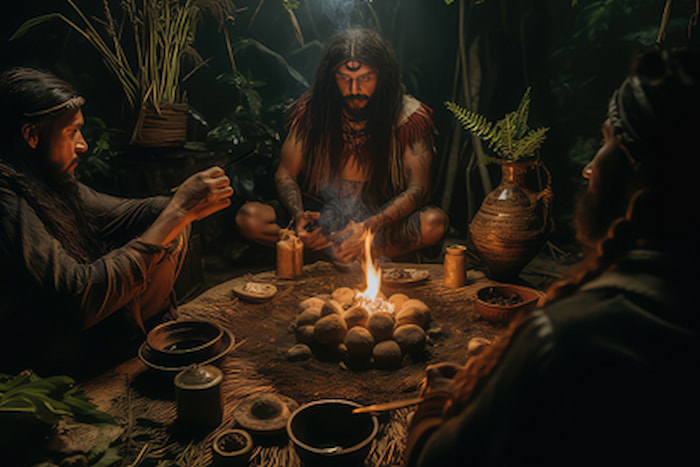
Introduction: Nestled on the pristine shores of Mexico’s Yucatán Peninsula, Tulum has become a beacon for seekers of spiritual enlightenment and holistic healing. Amidst its lush jungles and turquoise waters, a growing number of individuals are turning to the ancient plant medicine ayahuasca for profound self-discovery and healing.
In this informative exploration, we delve into the transformative power of ayahuasca ceremonies in Tulum, shedding light on its role in facilitating inner growth and personal development.
Understanding Ayahuasca
Ayahuasca, often referred to as “the vine of the soul,” is a sacred plant medicine traditionally used by indigenous Amazonian tribes for spiritual and medicinal purposes. It is brewed from the Banisteriopsis caapi vine and the leaves of the Psychotria viridis shrub, both of which contain psychoactive compounds known as harmala alkaloids and dimethyltryptamine (DMT). The brew is typically consumed during ceremonial rituals led by experienced shamans, who guide participants through transformative journeys of self-exploration and healing.
The Healing Journey
Ayahuasca Tulum ceremonies offer participants a profound opportunity for self-discovery and healing. The brew’s psychoactive properties induce altered states of consciousness characterized by vivid visions, deep introspection, and emotional release. Many participants report experiencing a heightened sense of connection to themselves, others, and the universe during the ceremony. Ayahuasca is often described as a powerful tool for confronting unresolved trauma, exploring the depths of the subconscious mind, and gaining insight into one’s life purpose and spiritual path.
Facilitating Inner Growth
Central to the experience of ayahuasca is the concept of “la purga,” or the purge, which involves physical and emotional cleansing. Participants may experience purging in the form of vomiting, sweating, or emotional release, symbolizing the release of negative energy and emotional baggage. Through this process of purging, participants are able to let go of deeply ingrained patterns of thought and behavior that no longer serve them, paving the way for profound personal transformation and inner growth.

Integration and Healing
The healing journey with ayahuasca extends far beyond the ceremony itself. Integration, the process of incorporating insights and experiences gained during the ceremony into daily life, is a crucial aspect of the healing process. Many ayahuasca retreats in Tulum offer integration support, and practices such as meditation and yoga. This integration period allows participants to make meaning of their experiences, integrate newfound wisdom into their lives, and embark on a journey of sustained healing and growth.
Safety and Responsibility
While ayahuasca can be a powerful catalyst for healing, it is essential to approach it with respect, caution, and responsibility. Ayahuasca ceremonies should only be conducted by experienced and qualified shamans in a safe and supportive environment. Participants should undergo thorough medical screening to ensure their physical and psychological suitability for the experience. Additionally, it is important to be aware of potential risks and contraindications, including interactions with certain medications and underlying health conditions.

Cultural Respect and Sustainability
As interest in ayahuasca continues to grow, it is essential to approach its use with cultural respect and environmental sustainability in mind. Ayahuasca is deeply rooted in indigenous traditions and sacred practices, and it is important to honor and preserve these traditions while integrating ayahuasca into modern healing modalities. Additionally, sustainable harvesting and cultivation practices are crucial for ensuring the long-term availability of ayahuasca and protecting the fragile ecosystems in which it grows.
Navigating the Aftercare Journey
After the profound experiences of an ayahuasca ceremony in Tulum, participants often find themselves navigating a period of introspection and integration. This aftercare journey is a crucial aspect of the healing process and involves integrating the insights and lessons gained from the ceremony into daily life. It’s common for participants to experience a range of emotions and reflections in the days and weeks following the ceremony as they process their experiences and integrate them into their lives. Many find solace in practices such as journaling, meditation, and spending time in nature, which can help deepen their connection to themselves and their newfound insights. Additionally, staying connected to a supportive community of fellow participants or seeking guidance from integration coaches or therapists can provide invaluable support during this transformative period. By embracing the aftercare journey with openness and self-compassion, participants can continue their path of healing and growth long after the ceremony has ended.
Conclusion
Ayahuasca ceremonies in Tulum offer a profound opportunity for self-discovery, healing, and personal transformation. Through its psychoactive properties and rich spiritual lineage, ayahuasca facilitates deep introspection, emotional release, and inner growth. When approached with respect, caution, and responsibility, ayahuasca can be a powerful tool for navigating life’s challenges, gaining insight into oneself, and reconnecting with the deeper truths of existence. As interest in ayahuasca continues to grow, it is essential to uphold principles of cultural respect, safety, and sustainability to ensure that its healing potential can be shared responsibly and ethically with the world.
Did you find this helpful? Check out our other helpful articles on our website.
Read Also
- Where to Find Reliable Mental Health Support for Teens
 Have you noticed changes in your teen’s mood, sleep, or behavior that leave you worried? Growing up can bring stress from school, friends, family, and new demands. Some teens may struggle to share their feelings or ask for help, even when they need support. Finding the right mental health support for teens can help them… Read more: Where to Find Reliable Mental Health Support for Teens
 - Top Trends Shaping the Future of Mental Health CareMental health care is moving fast to meet daily human needs. People want direct care that fits modern life. Clinics respond by creating flexible options that make healing easier to reach. Providers look past rigid habits to give people solid care. From smart tools to body wellness, these changes help people find relief when life… Read more: Top Trends Shaping the Future of Mental Health Care
- Full-Arch Dental Tourism: Why UK Patients With Severe Bone Loss Are Looking AbroadDental implants have become one of the fastest-growing segments of private dentistry. Within that market, one patient group behaves very differently from the rest: people who have been told they do not have enough upper jawbone for conventional implants. For these patients, the choice is rarely between one clinic and another. It is between a… Read more: Full-Arch Dental Tourism: Why UK Patients With Severe Bone Loss Are Looking Abroad
- Levels of Mental Health Care and When to Seek SupportMental health care can range from occasional outpatient appointments to 24-hour hospital treatment. The appropriate level depends on safety, symptom severity, daily functioning, medical needs, available support, treatment history and personal preferences. A licensed clinician should assess these factors rather than relying on a symptom list alone. Need help now? In the United States, call… Read more: Levels of Mental Health Care and When to Seek Support
- How to Choose a Shilajit Brand Based on the ResearchIn a randomized trial published in the Journal of the International Society of Sports Nutrition in 2019, 63 active men took 250 mg of standardized shilajit, 500 mg, or a placebo every day for eight weeks, and the benefit for strength retention after a fatiguing workout appeared only at 500 mg. For anyone choosing a… Read more: How to Choose a Shilajit Brand Based on the Research
- How to Incorporate Relaxation into Your Busy ScheduleFinding balance when you have a packed daily agenda often feels out of reach. Between work duties, family obligations, and personal projects, personal rest usually gets pushed to the bottom of the list. Small, intentional shifts in daily habits can help restore calm without requiring hours of extra free time. Continue reading to discover everything… Read more: How to Incorporate Relaxation into Your Busy Schedule
- Red Light Therapy for Skin and Wellness: Meet Vital Red Light TherapyModern wellness is not always about complicated treatments or long routines. Many people are now looking for simple, convenient ways to support their skin, recovery, and overall wellness at home. One technology getting more attention is red light therapy. Red light therapy uses specific wavelengths of red and near-infrared light to support the body’s natural… Read more: Red Light Therapy for Skin and Wellness: Meet Vital Red Light Therapy
- Managing Shock Loss After a Hair Transplant: The Financial and Clinical Imperative of Post-Op CareIn the rapidly evolving landscape of private healthcare, executive leadership within cosmetic and restorative surgery clinics faces a dual challenge: maintaining strict clinical standards while maximizing patient lifetime value (LTV) and brand advocacy. As the global medical tourism and elective procedure markets expand, clinical outcome quality alone is no longer the sole differentiator for premium… Read more: Managing Shock Loss After a Hair Transplant: The Financial and Clinical Imperative of Post-Op Care