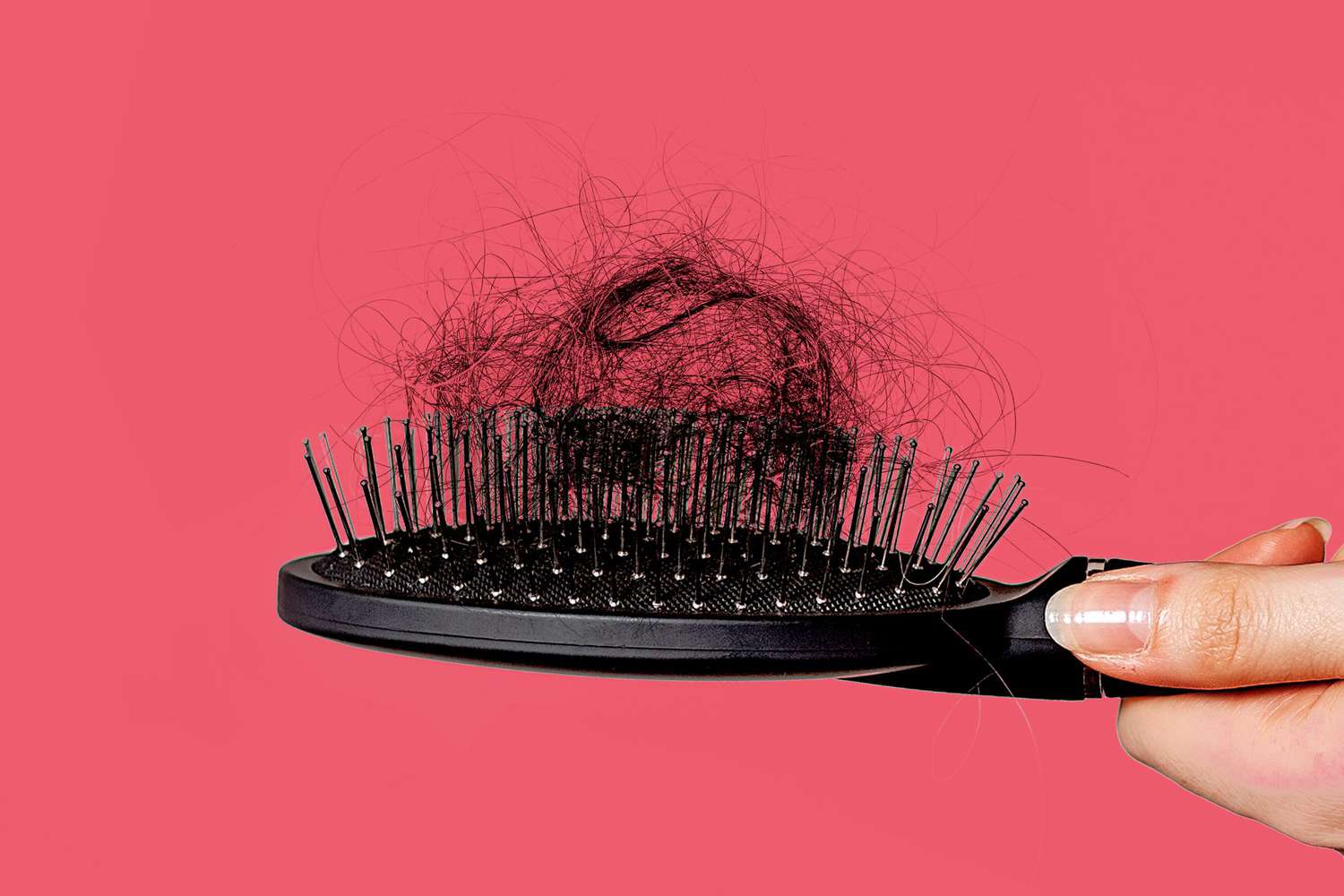
Hair loss is a prevalent problem that may affect people of all ages and genders. It can start as early as twenty-one years in men when they experience gradual hair loss. On the other hand, in women, it can start at around forty years. While we lose some of our hair due to the natural shedding of 50 to 100 strands daily in the hair development cycle, experiencing abrupt or severe hair loss may cause alarm, often suggesting an underlying problem. In such cases, you need to visit a hair transplant specialist.
There are many more instances when you can also see the specialist in Turkey and this post will help you know more about this, highlighting when you can determine whether it’s time to see a hair transplant specialist.
Sudden or Excessive Hair Loss
You need to see a hair transplant specialist when you suffer hair loss suddenly. Additionally, knowing you are experiencing excessive hair loss, especially while combing or washing it, may cause alarm. Sudden or heavy shedding is one of the most visible indications of a potential hair loss problem. Average hair loss runs between 50 and 100 hairs per day, but anything more than that may cause worry.
Stress, hormonal changes, dietary deficits, and certain drugs can all cause sudden hair loss. Consultation with a hair transplant specialist can assist in determining the main reason and developing a suitable treatment plan suited to your specific requirements.
Receding Hairline or Bald Patches
A receding hairline or the emergence of bald patches is another strong indication that something is wrong with your hair’s health. Hair loss patterns differ, but a receding hairline or patchy bald areas might be symptoms of illnesses such as male or female pattern baldness, alopecia areata, or other underlying health concerns.
If you observe changes in your hairline or the development of bald patches, obtaining expert guidance from a hair transplant specialist can help you pinpoint the reason and lead you toward appropriate treatment choices.
Treatment Planning
It is essential to consult with a hair transplant specialist if you are seeking a treatment plan for hair loss. Ensure that you visit the best of the best and research the Best Hair Transplant Clinic In Turkey. It will help you know the best places to get quality services, especially when you are due for a hair transplant or are considering it.
Consulting a hair transplant specialist will help you know your safe treatment options and possible side effects. It is crucial to remember that early intervention frequently results in more favorable hair loss management outcomes. A hair transplant specialist can walk you through the many treatment choices, allowing you to make informed selections based on your objectives and preferences.
Experiencing Hair Thinning
Hair thinning is a valid reason for you to seek professional help. Because of its slow nature, you cannot notice it immediately; however, it may be noticeable with time, especially around the crown. Heredity, hormone imbalances, or age-related changes can cause it. Therefore, contact a hair transplant specialist if you notice steady hair thinning, especially around the crown or part line. They can complete an assessment to establish the reason for the thinning and offer appropriate measures to address the issue.
Persistent Symptoms
Hair loss symptoms that are consistent and chronic should not be disregarded. Itching, burning, or discomfort on the scalp may signal underlying diseases, such as infections or inflammatory illnesses. If you have chronic pain or changes in the texture of your scalp, it is critical to get expert help from a hair transplant specialist to diagnose and address the problem as soon as possible.
Visible Signs of Scalp Issues
Examining the state of your scalp might give helpful information about the health of your hair. If you notice dandruff, redness, scaling, or flaking, take caution and visit a hair loss and scalp specialist. These symptoms often indicate that an individual has an underlying scalp disorder that can lead to hair loss. A hair transplant specialist can assess the condition of your scalp, diagnose any current problems, and offer suitable therapies to create a healthy scalp environment and prevent additional hair loss.
Family History of Severe Hair Loss
Genetics is essential in determining a person’s vulnerability to hair loss. Visiting a hair transplant specialist because of your understanding that genetically, you have a family history of significant hair loss is essential. A hair transplant specialist can evaluate your family history and offer individualized advice on preventive measures or treatment choices based on your genetic profile. It will help you understand your genetic propensity to hair loss, which might help you anticipate impending hair loss and take preventative steps.
Conclusion
Hair loss can be emotionally draining, but knowing when to visit a hair transplant specialist is critical for efficiently managing the issue. You can work with a hair transplant professional to understand the underlying reason for your loss and explore relevant treatment options by detecting the signs and taking preventive actions. Remember that each person’s experience with hair loss is unique, and a tailored approach is essential for attaining the best outcomes. Consult a hair transplant specialist to start on the path to healthier, fuller hair.
Did you find this helpful? Check out our other helpful articles on our website.
Read Also
- Childhood Allergies and Asthma: Signs, Triggers, and When to See a Pediatrician
 Allergies and asthma are two of the most common chronic conditions of childhood, and they often travel together. For parents, the challenge is that their signs — coughing, congestion, itchy eyes, wheezing — overlap with ordinary colds, which makes it easy to under-recognize a pattern that deserves attention. Understanding what to watch for helps you… Read more: Childhood Allergies and Asthma: Signs, Triggers, and When to See a Pediatrician
 - Newborn Care in the First Weeks: A Practical Guide for New ParentsBringing a newborn home is one of life’s great joys — and, for most parents, one of its most disorienting stretches. The first few weeks are a blur of feeding, diapering, and very little sleep, punctuated by a hundred small questions. A little grounding in the basics makes those weeks less overwhelming and helps you… Read more: Newborn Care in the First Weeks: A Practical Guide for New Parents
- Achilles Tendon Pain: From Tendinitis to Rupture and When to Get HelpThe Achilles is the strongest tendon in the body, and it takes an enormous load with every step, jump, and push-off. It’s also one of the most commonly injured — ranging from a nagging tendinitis that builds over weeks to a sudden, dramatic rupture. Understanding where your pain falls on that spectrum, and when it… Read more: Achilles Tendon Pain: From Tendinitis to Rupture and When to Get Help
- Diabetic Foot Care: Protecting Your Feet and Preventing Serious ComplicationsFor most people, a small blister or a minor cut on the foot is a non-event. For someone living with diabetes, that same small problem can become a serious one — quietly, and faster than expected. Diabetic foot care isn’t about anxiety; it’s about a few consistent habits and knowing which warning signs to never… Read more: Diabetic Foot Care: Protecting Your Feet and Preventing Serious Complications
- Weekend Warrior Injuries: When That Ache Is More Than a StrainThere’s a lot to admire about the weekend warrior — the person who spends the week at a desk and the weekend on the trail, the court, or the field. But squeezing a week’s worth of activity into two days, often without much warm-up, is exactly how injuries happen. The trick is knowing which aches… Read more: Weekend Warrior Injuries: When That Ache Is More Than a Strain
- Rotator Cuff Tears: Signs You Shouldn’t Ignore and Your Treatment OptionsShoulder pain has a way of sneaking into everything — reaching for a seatbelt, lifting a bag onto a shelf, even rolling over in bed. When that pain lingers and starts to limit what your arm can do, the rotator cuff is often the culprit. Knowing the warning signs of a tear, and when to… Read more: Rotator Cuff Tears: Signs You Shouldn’t Ignore and Your Treatment Options
- Essential Hygiene Products for High-Traffic Fitness SpacesFitness centers have many visitors each day. People use machines, locker rooms, and other shared areas from morning to night. Because so many people come and go, dirt and germs can build up fast. Good hygiene products help keep the space clean and safe. A clean gym makes a good first impression. Members notice clean… Read more: Essential Hygiene Products for High-Traffic Fitness Spaces
- What Makes Patients Choose a Dentist in the Digital AgeIn today’s fast-paced world, the digital age changes how we communicate and pick our healthcare providers, like dentists. With a wealth of information at our fingertips, patients are empowered to make informed decisions about their dental care. Factors such as trust, convenience, and online visibility play pivotal roles in influencing patient choices. Knowing what influences… Read more: What Makes Patients Choose a Dentist in the Digital Age