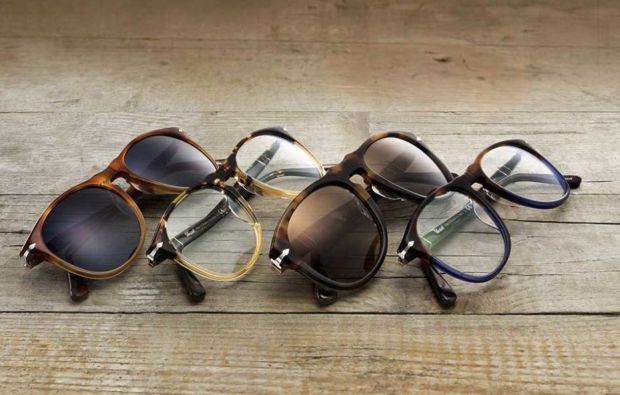
Eyewear has evolved far beyond a simple vision aid—today, it’s a bold statement of personality, professionalism, and fashion sense. Whether you’re selecting your first pair or updating your look, the right frames can enhance your features, elevate your confidence, and even influence first impressions. But with endless options available, how do you find the perfect eyewear for your face shape and personal style? In this comprehensive guide, we’ll break down the essentials to help you make the best choice.
Why Face Shape Matters in Eyewear Selection
Your face shape plays a crucial role in determining which frames will look most flattering. The right eyewear will complement your natural features, bringing balance and symmetry. Choosing the wrong frames, on the other hand, can overpower your face or draw attention to areas you’d rather not highlight.
The most common face shapes are:
– Oval
– Round
– Square
– Heart
– Diamond
Identifying your face shape is the first step to narrowing down your options.
Determining Your Face Shape
Stand in front of a mirror and pull your hair back. Examine your jawline, the width of your forehead, and the proportions of your face.
- Oval: Balanced proportions; forehead is slightly wider than the chin. Cheekbones are prominent, tapering gently to the chin.
- Round: Full cheeks with softer angles; width and length are nearly equal.
- Square: Strong jawline, broad forehead; width and length are also similar, but with more angularity.
- Heart: Wider forehead and cheekbones, narrowing to a pointed chin.
- Diamond: Narrow forehead and jawline, with broad, high cheekbones.
Once you’ve identified your shape, you’re ready to find your ideal frames.
Best Eyewear Styles for Every Face Shape
1. Oval Face
Best Frames: Almost any style!
Why: Oval faces are naturally balanced, so you can experiment with bold shapes and colors. Rectangular, square, geometric, or even oversized frames work beautifully.
Tip: Avoid frames that are too large for your features, as they can disturb your natural balance.
2. Round Face
Best Frames: Rectangular, square, and angular frames.
Why: These shapes add definition and lengthen the face, creating a slimming effect.
Tip: Steer clear of round or rimless frames, which can make your face appear even rounder.
3. Square Face
Best Frames: Round, oval, or cat-eye frames.
Why: Softer, rounded frames counteract strong angles and add balance.
Tip: Avoid boxy or angular frames, which can exaggerate the squareness of your face.
4. Heart-Shaped Face
Best Frames: Bottom-heavy frames, round frames, or light-colored styles.
Why: These balance a broader forehead and draw attention downward.
Tip: Avoid heavy, top-heavy, or overly decorative frames at the brow line.
5. Diamond Face
Best Frames: Oval or rimless, cat-eye, and frames with distinctive brow lines.
Why: Accentuate your cheekbones and add width to your forehead and chin.
Tip: Stay away from narrow frames that emphasize the width of your cheekbones.
Matching Eyewear With Your Style
Beyond face shape, your personal and professional style should also influence your eyewear choice. Consider where and how you’ll wear your glasses:
1. Professional and Subtle:
Opt for classic shapes (rectangle, oval) in muted tones (black, brown, tortoise). These complement business attire and create a sophisticated impression.
2. Trendy and Bold:
Explore geometric, oversized, or brightly colored frames. Transparent acetate and unique patterns can add a modern edge to your wardrobe.
3. Casual and Sporty:
Lightweight, durable materials like titanium or plastic are practical for active lifestyles. Wraparound and half-rim frames offer a relaxed look.
4. Artistic and Expressive:
Mix and match colors, textures, and shapes. Vintage-inspired frames or those with intricate detailing let your creativity shine.
Other Key Considerations
Skin Tone and Hair Color
- Warm skin tones (golden, olive, or yellow undertones): Choose warm frame colors like tortoise, gold, brown, or honey.
- Cool skin tones (pink or blue undertones): Opt for cool colors like black, silver, purple, blue, or gray.
- Hair color also plays a role—contrast can be striking, while similar tones create harmony.
Frame Size and Proportion
Frames should be proportional to your face size. Oversized frames can be trendy, but should not overwhelm your features. The top of the frames should generally align with your eyebrows, and your eyes should be centered in each lens.
Comfort and Fit
Eyewear should feel comfortable on your nose and ears, without pinching or slipping. Adjustable nose pads and lightweight materials can offer extra comfort, especially for all-day wear.
How to Shop for Premium Eyewear
With so many factors to consider, shopping for glasses can feel overwhelming. Start by browsing a premium eyewear selection in Chicago or your local area, where expert staff can guide you through frame options and fitting. Trying on different styles in person is invaluable—you’ll see for yourself which shapes and colors flatter your face and match your style.
Final Thoughts
The perfect eyewear is where form meets function—enhancing your vision, expressing your individuality, and fitting seamlessly into your lifestyle. By understanding your face shape, considering your personal style, and prioritizing comfort and fit, you’ll find frames that not only look great but feel great too.
Remember, eyewear is an investment in both your health and your image. Take your time, consult with professionals, and enjoy the process of discovering frames that are uniquely you. With a bit of knowledge and confidence, you’ll be turning heads and seeing clearly in no time.
Explore more tips and trends on eyewear and personal health at Healthcare Business Club, your trusted resource for lifestyle and wellness insights.
Read Also
- Full-Arch Dental Tourism: Why UK Patients With Severe Bone Loss Are Looking Abroad
 Dental implants have become one of the fastest-growing segments of private dentistry. Within that market, one patient group behaves very differently from the rest: people who have been told they do not have enough upper jawbone for conventional implants. For these patients, the choice is rarely between one clinic and another. It is between a… Read more: Full-Arch Dental Tourism: Why UK Patients With Severe Bone Loss Are Looking Abroad
 - Levels of Mental Health Care and When to Seek SupportMental health care can range from occasional outpatient appointments to 24-hour hospital treatment. The appropriate level depends on safety, symptom severity, daily functioning, medical needs, available support, treatment history and personal preferences. A licensed clinician should assess these factors rather than relying on a symptom list alone. Need help now? In the United States, call… Read more: Levels of Mental Health Care and When to Seek Support
- How to Choose a Shilajit Brand Based on the ResearchIn a randomized trial published in the Journal of the International Society of Sports Nutrition in 2019, 63 active men took 250 mg of standardized shilajit, 500 mg, or a placebo every day for eight weeks, and the benefit for strength retention after a fatiguing workout appeared only at 500 mg. For anyone choosing a… Read more: How to Choose a Shilajit Brand Based on the Research
- How to Incorporate Relaxation into Your Busy ScheduleFinding balance when you have a packed daily agenda often feels out of reach. Between work duties, family obligations, and personal projects, personal rest usually gets pushed to the bottom of the list. Small, intentional shifts in daily habits can help restore calm without requiring hours of extra free time. Continue reading to discover everything… Read more: How to Incorporate Relaxation into Your Busy Schedule
- Red Light Therapy for Skin and Wellness: Meet Vital Red Light TherapyModern wellness is not always about complicated treatments or long routines. Many people are now looking for simple, convenient ways to support their skin, recovery, and overall wellness at home. One technology getting more attention is red light therapy. Red light therapy uses specific wavelengths of red and near-infrared light to support the body’s natural… Read more: Red Light Therapy for Skin and Wellness: Meet Vital Red Light Therapy
- Managing Shock Loss After a Hair Transplant: The Financial and Clinical Imperative of Post-Op CareIn the rapidly evolving landscape of private healthcare, executive leadership within cosmetic and restorative surgery clinics faces a dual challenge: maintaining strict clinical standards while maximizing patient lifetime value (LTV) and brand advocacy. As the global medical tourism and elective procedure markets expand, clinical outcome quality alone is no longer the sole differentiator for premium… Read more: Managing Shock Loss After a Hair Transplant: The Financial and Clinical Imperative of Post-Op Care
- Transform Your Skin Health: Premier Gluta IV Therapy in DubaiThis comprehensive guide explores how modern intravenous wellness treatments can help revitalize your complexion, boost immune function, and support overall cellular health. By incorporating modern IV therapy Dubai services into a routine health regimen, individuals can achieve direct nutrient absorption for optimal results. Selecting a customized gluta IV drip Dubai treatment provides targeted antioxidant defense,… Read more: Transform Your Skin Health: Premier Gluta IV Therapy in Dubai
- The Evolution of Dental Prosthetics: Innovation in Oral HealthDental replacements have improved a lot over time. Smiling, chewing, and speaking depend on having healthy teeth. When teeth break or go missing, today’s options can restore both function and confidence. Modern techniques make these replacements feel and look completely natural. Ancient Roots Of Tooth Replacement People have tried to replace lost teeth for thousands… Read more: The Evolution of Dental Prosthetics: Innovation in Oral Health