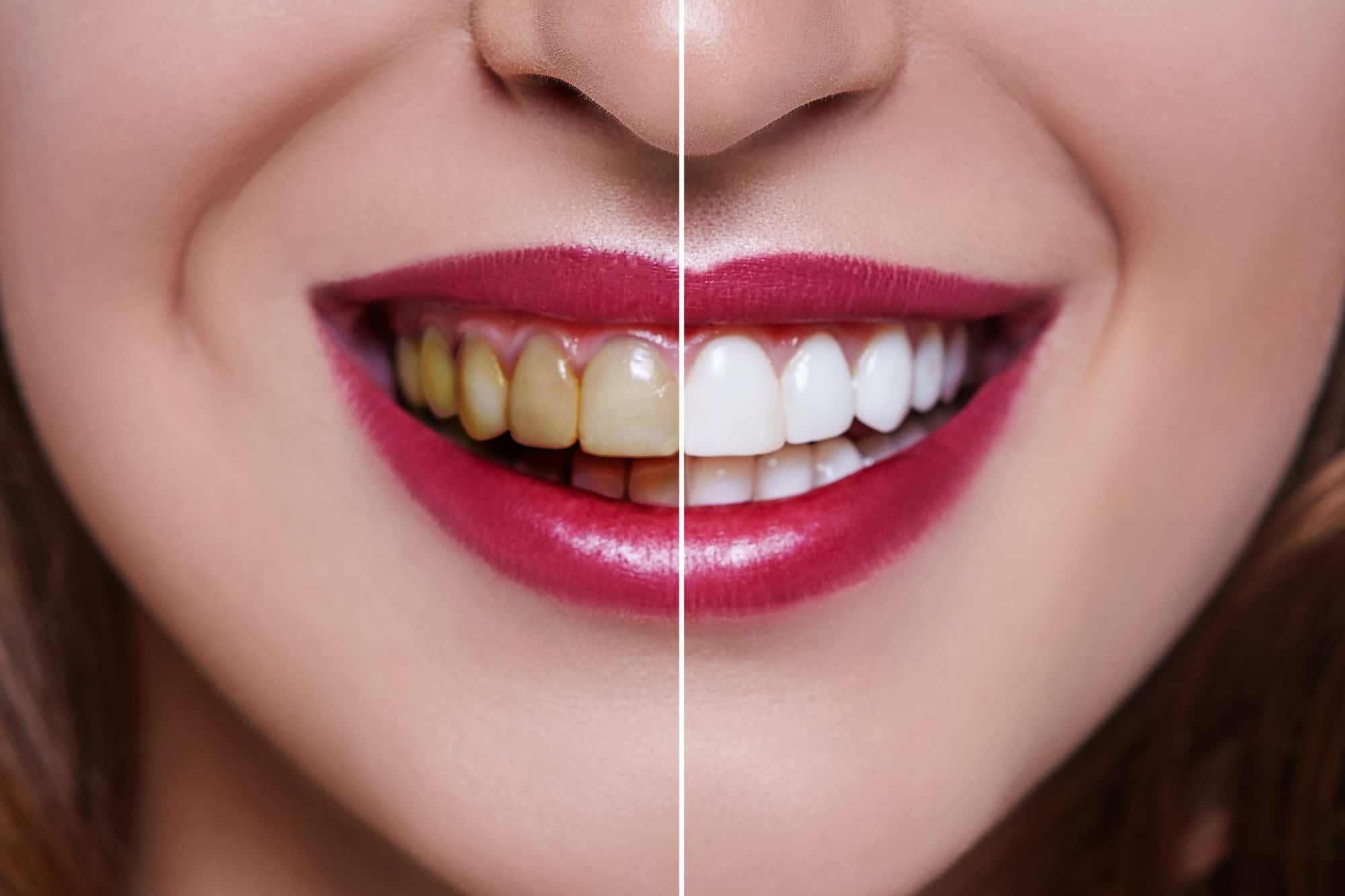
A bright, white smile can boost your confidence and leave a lasting impression on others. While professional teeth whitening treatments are available, many individuals prefer cost-effective and convenient ways to whiten their teeth at home. In this article, we will explore various natural and effective methods for achieving a whiter smile without the need for expensive dental procedures. From everyday kitchen ingredients to simple lifestyle adjustments, these methods will help you use home remedies for teeth whitening.
Understanding Teeth Discoloration:
Before diving into the home remedies, it’s essential to understand the common causes of teeth discoloration. The main culprits include:
– Staining Foods and Beverages: Coffee, tea, red wine, berries, and dark-colored sauces can stain your teeth over time.
– Tobacco Use: Smoking or chewing tobacco can lead to stubborn stains on teeth.
– Poor Oral Hygiene: Inadequate brushing and flossing allow plaque and stains to accumulate on teeth.
– Aging: As we age, the outer layer of enamel naturally wears down, revealing the yellowish dentin underneath.
– Certain Medications: Some medications can cause teeth discoloration as a side effect.
Now, let’s explore some effective ways to whiten your teeth naturally at home.
1. Brush with Baking Soda and Hydrogen Peroxide:
Baking soda and hydrogen peroxide have natural whitening properties that can remove surface stains and brighten your teeth.
– How to Use: Mix a small amount of baking soda with hydrogen peroxide to form a paste. Gently brush your teeth with this mixture for one to two minutes, then rinse thoroughly.
2. Oil Pulling with Coconut Oil:
Oil pulling is an ancient practice known for its oral health benefits, including teeth whitening.
– How to Use: Swish one tablespoon of coconut oil in your mouth for 15-20 minutes, then spit it out. Rinse your mouth with water and brush your teeth as usual.
3. Apply Apple Cider Vinegar:
Apple cider vinegar contains acetic acid, which helps remove stains and kill harmful bacteria in the mouth.
– How to Use: Dilute apple cider vinegar with water and use it as a mouthwash, swishing it around for a few seconds before rinsing thoroughly.
4. Use Whitening Toothpaste:
Opt for toothpaste with natural whitening agents like activated charcoal or baking soda.
– How to Use: Brush your teeth with the whitening toothpaste twice a day, morning and night, for optimal results.
5. Eat Crunchy Fruits and Vegetables:
Foods like apples, carrots, and celery act as natural teeth cleaners by increasing saliva production and removing surface stains.
– How to Use: Incorporate these crunchy fruits and vegetables into your daily diet.
FAQs About At-Home Teeth Whitening:
1. Are at-home teeth whitening methods safe?
Yes, when used as directed, natural teeth whitening methods are generally safe. However, it’s essential to avoid overusing them to prevent enamel damage.
2. How long does it take to see results?
The time it takes to see noticeable results may vary depending on the method and individual factors. Some people see improvement within a few days, while others may take a few weeks.
3. Can I use lemon juice for teeth whitening?
No, using lemon juice is not recommended as its high acidity can erode the enamel, leading to tooth sensitivity.
4. Is it normal to experience tooth sensitivity during whitening?
Some individuals may experience temporary tooth sensitivity during whitening treatments. If the sensitivity persists, discontinue the treatment and consult a dentist.
5. Can I use these methods if I have dental restorations?
It’s best to consult your dentist before using any at-home whitening methods if you have dental restorations like veneers or crowns.
6. Use Whitening Strips:
Whitening strips are a convenient option for at-home teeth whitening, as they are easy to apply and generally safe.
– How to Use: Follow the instructions provided with the whitening strips. Apply them to your teeth and leave them on for the recommended duration.
7. Try Turmeric Paste:
Turmeric is a natural spice known for its anti-inflammatory and antibacterial properties. It can also help remove surface stains from teeth.
– How to Use: Create a paste using turmeric powder and water. Gently brush your teeth with the paste for a minute or two, then rinse thoroughly.
8. Rinse with Hydrogen Peroxide:
Hydrogen peroxide can effectively remove stains and brighten your teeth when used in moderation.
– How to Use: Dilute hydrogen peroxide with water (equal parts) and use it as a mouthwash. Swish it around for a few seconds before spitting it out, then rinse thoroughly with water.
9. Maintain a Balanced Diet:
Eating a balanced diet rich in fruits, vegetables, and dairy products can promote healthy teeth and prevent discoloration.
– How to Use: Incorporate a variety of nutrient-rich foods into your diet and limit the consumption of sugary and acidic foods.
10. Avoid Smoking and Tobacco Products:
Smoking and using tobacco products not only stain teeth but also pose severe risks to oral health.
– How to Use: If you currently use tobacco products, consider seeking support to quit the habit for overall oral and overall health benefits.
11. Brush Your Tongue:
Cleaning your tongue regularly can help remove bacteria and prevent staining on teeth.
– How to Use: Gently brush your tongue with your toothbrush or use a tongue scraper to keep it clean.
12. Use a Straw:
When consuming staining beverages like coffee, tea, or dark-colored sodas, use a straw to minimize direct contact with your teeth.
– How to Use: Position the straw toward the back of your mouth, directing the liquid away from your front teeth.
13. Practice Good Oral Hygiene:
Regular brushing, flossing, and using mouthwash are essential for maintaining a healthy and bright smile.
– How to Use: Brush your teeth at least twice a day for two minutes each time and floss daily to remove plaque and food particles.
14. Get Professional Dental Cleanings:
Regular visits to your dentist for professional cleanings can help prevent tartar buildup and keep your teeth looking their best.
– How to Use: Schedule dental cleanings every six months or as recommended by your dentist.
15. Be Patient and Consistent:
Teeth whitening at home may take time, so be patient and consistent with your chosen method.
– How to Use: Follow the instructions for your preferred method and give it time to show results.
Conclusion:
Whitening your teeth at home is not only cost-effective but also allows you to incorporate natural and safe methods into your oral care routine. Remember to maintain good oral hygiene practices, avoid staining foods and tobacco products, and be consistent with your chosen teeth whitening method. By following these tips and tricks, you can achieve a brighter, more confident smile from the comfort of your home. In Smile perfectors we provide articles for you, that can help you keep your teeth healthy always!
Read Also
- How to Incorporate Relaxation into Your Busy Schedule
 Finding balance when you have a packed daily agenda often feels out of reach. Between work duties, family obligations, and personal projects, personal rest usually gets pushed to the bottom of the list. Small, intentional shifts in daily habits can help restore calm without requiring hours of extra free time. Continue reading to discover everything… Read more: How to Incorporate Relaxation into Your Busy Schedule
 - Red Light Therapy for Skin and Wellness: Meet Vital Red Light TherapyModern wellness is not always about complicated treatments or long routines. Many people are now looking for simple, convenient ways to support their skin, recovery, and overall wellness at home. One technology getting more attention is red light therapy. Red light therapy uses specific wavelengths of red and near-infrared light to support the body’s natural… Read more: Red Light Therapy for Skin and Wellness: Meet Vital Red Light Therapy
- Managing Shock Loss After a Hair Transplant: The Financial and Clinical Imperative of Post-Op CareIn the rapidly evolving landscape of private healthcare, executive leadership within cosmetic and restorative surgery clinics faces a dual challenge: maintaining strict clinical standards while maximizing patient lifetime value (LTV) and brand advocacy. As the global medical tourism and elective procedure markets expand, clinical outcome quality alone is no longer the sole differentiator for premium… Read more: Managing Shock Loss After a Hair Transplant: The Financial and Clinical Imperative of Post-Op Care
- Transform Your Skin Health: Premier Gluta IV Therapy in DubaiThis comprehensive guide explores how modern intravenous wellness treatments can help revitalize your complexion, boost immune function, and support overall cellular health. By incorporating modern IV therapy Dubai services into a routine health regimen, individuals can achieve direct nutrient absorption for optimal results. Selecting a customized gluta IV drip Dubai treatment provides targeted antioxidant defense,… Read more: Transform Your Skin Health: Premier Gluta IV Therapy in Dubai
- The Evolution of Dental Prosthetics: Innovation in Oral HealthDental replacements have improved a lot over time. Smiling, chewing, and speaking depend on having healthy teeth. When teeth break or go missing, today’s options can restore both function and confidence. Modern techniques make these replacements feel and look completely natural. Ancient Roots Of Tooth Replacement People have tried to replace lost teeth for thousands… Read more: The Evolution of Dental Prosthetics: Innovation in Oral Health
- How to Support a Loved One with Mental Health IssuesWatching someone you care about struggle with their mental health is difficult: you might feel helpless, confused, or even frustrated. You cannot cure a mental health condition with a simple conversation or a hug, no matter how much you wish you could. Your support can be the difference between them feeling isolated and feeling understood.… Read more: How to Support a Loved One with Mental Health Issues