How Upper Cervical Chiropractic Care Can Improve Your Health
The field of alternative medicine is constantly evolving and changing, with so many different areas but few areas have garnered as much attention and praise as chiropractic care has, specifically, upper chiropractic care. This is a specialized branch that focuses specifically on the upper cervical region of the spine and offers a unique approach to healing and wellness. Perhaps you’re wondering what an upper cervical chiropractor does, and how their services can benefit you?
A Brief Overview of Upper Cervical Chiropractic Care
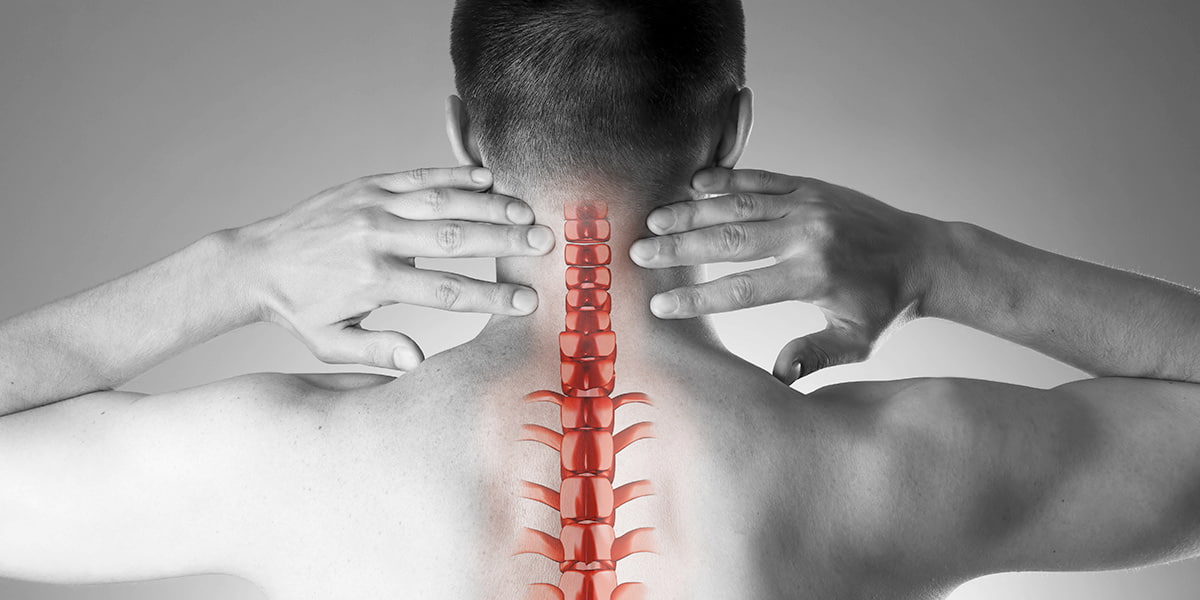
In the field of upper cervical chiropractic care, the goal is alignment and adjustment of the top two vertebrae in your spine which are called the atlas (C1) and axis (C2). These two vertebrae are extremely important because this is where your brainstem is located, which is a crucial hub for communication between your brain and the rest of your body. Therefore, if these two vertebrae in your spine become misaligned, even slightly, the communication between your brain and the rest of your body can be weakened which in turn leads to a host of health issues from chronic pain to neurological dysfunction.
Upper cervical chiropractors can help to resolve such issues, as they undergo specialized training which enables them to specifically target and correct misalignments. They are extremely precise when adjusting your spine to ensure that they restore the alignment and function of your atlas and axis correctly. As a result, patients leave with a healthier body that is more equipped to heal itself.
Benefits Beyond Pain Relief: Holistic Wellness
One of the main benefits of going to an upper cervical chiropractor is their holistic approach to wellness. They address misalignments in your body at the root cause, rather than just treating symptoms. Because of this, patients usually experience improvements in various aspects of their health. For example, many individuals have experienced improvements or full healing from things like chronic headaches, migraine and neck pain which can all be attributed to the alleviation of pressure on the surrounding nerves and tissues. This in turn allows for improved blood flow and nerve function.
In addition, optimizing spinal alignments and nervous system function often leads to an improvement in patients’ immune response, sleep quality and cognitive function. This is due to better communication between the brain and the body following spine re-alignment, allowing the body to operate more efficiently and effectively.
Moreover, upper cervical chiropractic care has something to offer for individuals of all ages and health conditions as a result of its gentle and non-invasive approach. Perhaps you’re seeking help for a specific ailment or maybe you just want to enhance your overall weel-being? Why not consider visiting upper cervical chiropractor – they can develop a plan that is tailored to your personal needs.
Unlocking the Power of Your Spine: Exploring the Transformative Effects
There are so many benefits associated with cervical chiropractic care, from being a natural and holistic approach to wellness, to offering a solution for individuals of all ages and ailments. Simply by addressing misalignments in your upper cervical spine, these practitioners work wonders by restoring function and balance in your body, improving your overall quality of life.
Did you find this helpful? Check out our other helpful articles on our website.
Read Also
- Hair Transplant vs Non-Surgical Hair Restoration: How Clinics Decide the Right Approach
 Hair loss treatment is no longer limited to choosing between medication and surgery. Modern hair restoration clinics offer several options, including medical treatment, platelet-based procedures, laser therapy, scalp treatments and hair transplantation. Having more options can be helpful, but it can also make the decision confusing. A person with early thinning may assume that a… Read more: Hair Transplant vs Non-Surgical Hair Restoration: How Clinics Decide the Right Approach
 - The Role of Prosthodontics in Modern Restorative DentistryRestorative dentistry brings together patient care and smart office management. Dental offices today face more requests for full-mouth fixes and cosmetic work. Adding advanced repair skills helps teams handle tough cases with more success. Dental groups that build these skills can offer more to their patients. This shift grows skills and keeps patients coming back.… Read more: The Role of Prosthodontics in Modern Restorative Dentistry
- Day Treatment for Mental Health in Pasadena: A Vital ResourceKey Takeaways In Pasadena, day treatment programs offer a flexible alternative to hospitalization, with approaches tailored to enhance recovery based on the needs of each individual. By focusing on personal strengths and vulnerabilities, personalized care strategies can significantly improve treatment outcomes. This active participation in treatment planning empowers clients in their recovery journeys. Participants in… Read more: Day Treatment for Mental Health in Pasadena: A Vital Resource
- Childhood Allergies and Asthma: Signs, Triggers, and When to See a PediatricianAllergies and asthma are two of the most common chronic conditions of childhood, and they often travel together. For parents, the challenge is that their signs — coughing, congestion, itchy eyes, wheezing — overlap with ordinary colds, which makes it easy to under-recognize a pattern that deserves attention. Understanding what to watch for helps you… Read more: Childhood Allergies and Asthma: Signs, Triggers, and When to See a Pediatrician
- Newborn Care in the First Weeks: A Practical Guide for New ParentsBringing a newborn home is one of life’s great joys — and, for most parents, one of its most disorienting stretches. The first few weeks are a blur of feeding, diapering, and very little sleep, punctuated by a hundred small questions. A little grounding in the basics makes those weeks less overwhelming and helps you… Read more: Newborn Care in the First Weeks: A Practical Guide for New Parents
- Achilles Tendon Pain: From Tendinitis to Rupture and When to Get HelpThe Achilles is the strongest tendon in the body, and it takes an enormous load with every step, jump, and push-off. It’s also one of the most commonly injured — ranging from a nagging tendinitis that builds over weeks to a sudden, dramatic rupture. Understanding where your pain falls on that spectrum, and when it… Read more: Achilles Tendon Pain: From Tendinitis to Rupture and When to Get Help
- Diabetic Foot Care: Protecting Your Feet and Preventing Serious ComplicationsFor most people, a small blister or a minor cut on the foot is a non-event. For someone living with diabetes, that same small problem can become a serious one — quietly, and faster than expected. Diabetic foot care isn’t about anxiety; it’s about a few consistent habits and knowing which warning signs to never… Read more: Diabetic Foot Care: Protecting Your Feet and Preventing Serious Complications
- Weekend Warrior Injuries: When That Ache Is More Than a StrainThere’s a lot to admire about the weekend warrior — the person who spends the week at a desk and the weekend on the trail, the court, or the field. But squeezing a week’s worth of activity into two days, often without much warm-up, is exactly how injuries happen. The trick is knowing which aches… Read more: Weekend Warrior Injuries: When That Ache Is More Than a Strain