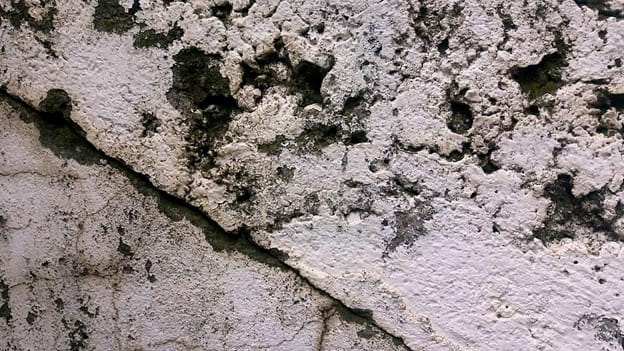
Although I’m not a doctor, having lived through enough post-hurricane mold outbreaks to know which symptoms send people to the ER in Miami, Fort Lauderdale, and West Palm Beach—and which ones linger for years.
Immediate Reactions (hours to days)
Allergic-type response (most common): Runny nose, red itchy eyes, sneezing, sinus pressure that feels like a permanent cold. Down here it hits fast because the spore count after a flood can be 50–100× higher than normal outdoor air. People think they have “cedar fever” until they leave the house for two days and suddenly breathe fine.
Asthma attacks: If you already have asthma or your kid does, toxic black mold (Stachybotrys) and certain Aspergillus species are triggers that can put you in the ambulance. I’ve watched neighbors who “never had asthma” end up on nebulizers after sleeping in a house that sat wet for a week.
Skin rashes: Direct contact with wet drywall or belongings can cause red, itchy welts—especially on kids who are crawling around cleaning up.
Longer-Term or Severe Exposure (weeks to months)
Chronic sinus infections that won’t go away: ENT doctors in South Florida see this constantly after storms. Fungal balls (mycetomas) form in the sinuses; some people end up needing surgery.
Hypersensitivity pneumonitis (“mold lung”): It’s rare, but very real. Feels like walking pneumonia that never quite clears. Farmers get it from hay; we get it from houses that weren’t dried properly. Symptoms: shortness of breath, fatigue, low-grade fever, dry cough.
Immune suppression and weird infections: Heavy, prolonged black mold exposure (think sleeping in a heavily contaminated bedroom for months) can make you catch everything that goes around. Some Aspergillus and Penicillium species produce mycotoxins that suppress white blood cell function.
Toxic effects (the controversial one): Stachybotrys chartarum (the infamous “black mold”) produces mycotoxins like trichothecenes. Most healthy adults clear them without issue, but infants, elderly, and chemo patients can get very sick—nosebleeds, memory problems, headaches, dizziness, and in extreme documented cases, pulmonary hemorrhage in babies. Doctors argue about how common this is, but every pediatric pulmonologist in Miami knows not to mess around with Stachybotrys in a nursery.
Who’s Actually at Risk
High-risk groups down here:
- Infants under 12 months
- Anyone on chemotherapy or immunosuppressants
- Elderly with COPD or heart failure
- Uncontrolled asthmatics
- People with chronic sinus issues or cystic fibrosis
If you’re a healthy 35-year-old, you’ll probably just feel miserable for a while. If you’re in one of the groups above, even moderate black mold exposure can land you in the hospital.
Real Life Experience with Black Mold Exposure
I’ve never met anyone who “got used to” living with visible mold in their home. The illness symptoms always get worse, never better. The fastest way to feel human again is to get out of the house until it tests clean. Hotels, family, FEMA trailers—whatever it takes. Breathing well is non-negotiable for your health and peace of mind—always.
If someone in your house suddenly can’t shake a cough, wheezes at night, or a baby keeps getting unexplained nosebleeds after a storm, do not wait. Get them out and get the house tested by an actual industrial hygienist, not just the mold remediation company (they might have a conflict of interest).
Your lungs and overall health will thank you big time for many years to come.
Were you satisfied with the information in this article? If yes, our blog offers even more valuable resources.
Read Also
- Trust Signals Families and Referrals Expect in Home-Based Care
 Choosing a home-based care provider is rarely a simple decision. For families, it is often emotional and urgent. For referral sources, it is operational, clinical, and reputational. Both groups want the same outcome: a safe, dependable care setting that supports the individual’s needs without creating unnecessary risk, confusion, or disruption. Trust is the deciding factor.… Read more: Trust Signals Families and Referrals Expect in Home-Based Care
 - IVF in Later Life: Opportunities, Risks, and Modern Strategies for SuccessIs it worth considering IVF after age 40? In today’s world, the boundaries of reproductive age are gradually shifting, adapting to social changes. More and more women aged 40 and older are making a conscious decision to become mothers once they have achieved career stability, established a solid financial foundation, and attained deep psychological maturity.… Read more: IVF in Later Life: Opportunities, Risks, and Modern Strategies for Success
- How to Choose a Pediatrician: What Parents Should Look For Before the First VisitChoosing a pediatrician is one of the first major healthcare decisions parents make — and one of the most important. Your child’s doctor will be a consistent presence through well-child visits, illnesses, developmental milestones, and sometimes difficult conversations. Getting this choice right from the start sets the foundation for your child’s long-term health. Start Looking… Read more: How to Choose a Pediatrician: What Parents Should Look For Before the First Visit
- Ankle Injuries in Athletes: When to Push Through and When to See a SpecialistAnkle injuries are among the most common in sports, from weekend warriors to competitive athletes. The challenge is that the ankle’s complexity means what feels like a simple sprain might actually involve a fracture, torn ligament, or cartilage damage beneath the joint. Knowing when to rest at home versus when to seek professional evaluation can… Read more: Ankle Injuries in Athletes: When to Push Through and When to See a Specialist
- What to Expect When Seeing an Orthopedic Surgeon for Knee or Joint PainKnee and joint pain affects millions of Americans each year, ranging from minor discomfort after exercise to debilitating conditions that limit daily movement. Knowing when to see a specialist — and what to expect when you do — can make the entire experience less intimidating and more productive. When Should You See an Orthopedic Surgeon?… Read more: What to Expect When Seeing an Orthopedic Surgeon for Knee or Joint Pain
- Real Health Risks of Mold Exposure in South Florida HomesAlthough I’m not a doctor, having lived through enough post-hurricane mold outbreaks to know which symptoms send people to the ER in Miami, Fort Lauderdale, and West Palm Beach—and which ones linger for years. Immediate Reactions (hours to days) Allergic-type response (most common): Runny nose, red itchy eyes, sneezing, sinus pressure that feels like a… Read more: Real Health Risks of Mold Exposure in South Florida Homes
- Discover the Benefits of Secure Dental for Your Oral HealthThe Undeniable Link Between Oral Health and Overall Well-Being Oral health is much more than just a hygiene issue; it plays a crucial role in your overall health. Research has repeatedly shown that what happens in your mouth can significantly influence your body as a whole. The mouth is the gateway to the rest of… Read more: Discover the Benefits of Secure Dental for Your Oral Health
- The Role of Ingredients in Your Skincare: What to Look ForSkincare works best when you understand what goes into the products you use daily. Ingredients form the foundation of every formula and determine how the skin reacts over time. Each cream, cleanser, or serum has its own role, determined by its ingredients. Learning what to look for helps you pick products that help skin and… Read more: The Role of Ingredients in Your Skincare: What to Look For