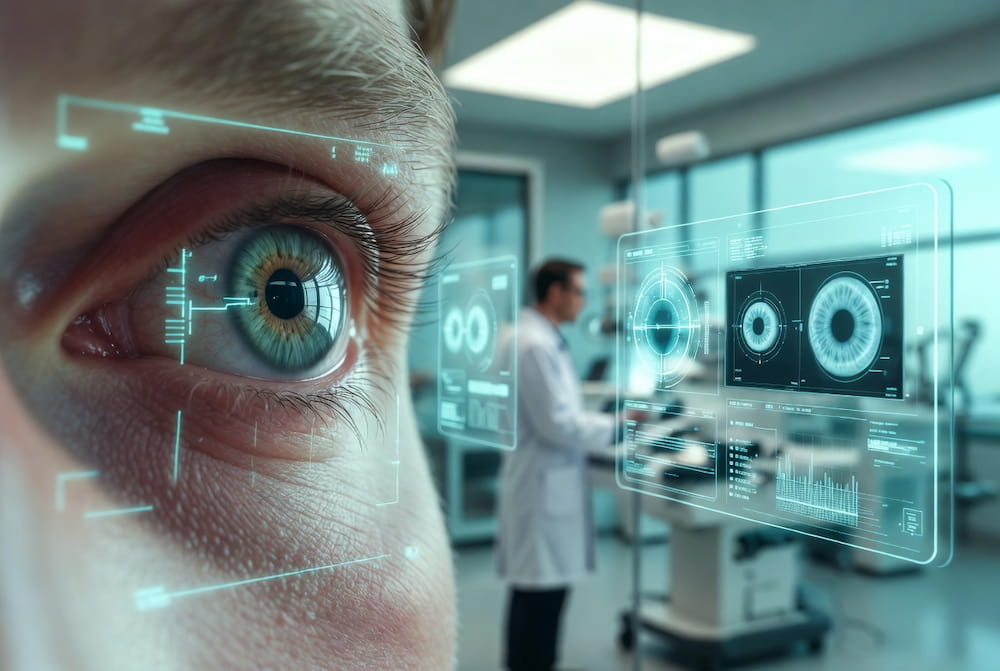
Protecting your eyesight isn’t optional—it’s essential. Modern eye care has evolved far beyond basic exams, offering advanced diagnostics, personalized treatments, and surgical innovations that keep vision sharp for life. A leading example is Intermountain Eye Center, home to specialists like Dr Fishburn Boise, where patients receive comprehensive, high-level vision care designed to preserve long-term eye health through cutting-edge technology and individualized treatment plans.
What Does “Advanced Vision Care” Actually Mean?
“Advanced vision care” isn’t just a marketing phrase. It usually combines three big pillars:
- Comprehensive care under one roof
From routine eye exams and glasses to laser vision correction, cataract surgery, and disease management for glaucoma, retinal and corneal conditions, advanced centers aim to treat almost everything eye-related in a coordinated way. - Modern technology and techniques
This includes high-resolution imaging, laser-assisted surgery, premium intraocular lenses, minimally invasive glaucoma procedures, and more – all designed to improve outcomes, comfort, and recovery times. - Personalized treatment plans
No two eyes are the same. Advanced practices emphasize tailored care based on your age, lifestyle, work, hobbies, and long-term health, not just your prescription.
Intermountain Eye Center embodies this model: with multiple locations across Boise, Eagle, Meridian, and Nampa, they bring together fellowship-trained, board-certified ophthalmologists and a broad menu of services, so patients don’t have to bounce between disconnected clinics.
From Routine Exams to Complex Disease: Why Comprehensive Matters
A lot of serious eye diseases are “silent” at first. You don’t feel pain, and your vision may still seem fine while damage is already happening. That’s why it’s powerful when one practice can monitor your eyes over time and quickly escalate care if something changes.
At Intermountain Eye Center, this continuum of care includes:
- Primary eye care & annual exams
Detecting refractive errors (nearsightedness, farsightedness, astigmatism), checking eye pressure, screening for cataracts, macular degeneration, and diabetic eye disease. - Medical management of eye disease
Ongoing care for conditions like glaucoma, diabetic retinopathy, uveitis, and corneal disease using drops, injections, and other non-surgical treatments. - Surgical and laser procedures
For cataracts, glaucoma, corneal issues, and certain retinal conditions, coordinated by surgeons who work closely with your primary eye doctor.
Having primary care, subspecialists (like retina and cornea experts), and surgeons in the same network reduces gaps in communication and improves continuity of care over years or decades.
LASIK, PRK, and ICL: Modern Options to Reduce Dependence on Glasses
Laser vision correction is one of the most recognizable parts of advanced vision care – but there’s more than one way to reshape the eye.
Intermountain Eye Center offers several refractive options, including:
- LASIK (Laser-Assisted in Situ Keratomileusis)
A flap is created in the cornea, then a laser reshapes the underlying tissue to correct nearsightedness, farsightedness, and astigmatism. Many patients experience rapid visual recovery and reduced dependence on glasses. - PRK (Photorefractive Keratectomy)
Instead of creating a flap, the surface layer of the cornea is gently removed and the laser reshapes the cornea directly. This can be better for patients with thinner corneas or certain occupations and sports. - ICL (Implantable Collamer Lens)
For patients who may not be ideal candidates for LASIK or PRK, an implantable lens can be placed inside the eye (similar to a permanent contact lens) to correct high prescriptions.
What makes these treatments “advanced” isn’t just the lasers – it’s the personalized diagnostic workup before surgery, the choice of technique based on corneal thickness and eye health, and careful follow-up afterward.
Modern Cataract Surgery: Clear Vision, Customized
Cataracts are incredibly common with age, but today’s cataract surgery is far more than simply “removing the cloudy lens.” Advanced centers like Intermountain Eye Center use updated surgical techniques and a wide range of intraocular lens (IOL) options to tailor vision outcomes.
Key advances include:
- Small-incision, ultrasound-based removal for faster healing and less discomfort.
- Premium IOLs that can correct astigmatism (toric lenses) and reduce dependence on reading glasses (multifocal or extended depth-of-focus lenses).
- Pre-surgical imaging that maps the eye in detail to choose the best lens power and design.
For many patients, cataract surgery has become an opportunity not only to restore clarity, but also to dramatically improve how they see the world day to day.
Glaucoma, Retina, and Cornea: Subspecialty Care That Protects Sight
Advanced vision care centers typically house specialists for the eye’s most delicate structures – exactly the approach Intermountain Eye Center takes with its glaucoma, retina, and cornea services.
Glaucoma Management
Glaucoma slowly damages the optic nerve, often without early symptoms. Modern care may include:
- Detailed optic nerve imaging and visual field testing
- Customized medical therapy with newer eye-drop regimens
- Laser treatments and minimally invasive glaucoma surgery (MIGS) in appropriate patients
The goal is straightforward: lower eye pressure and stabilize the disease before significant vision loss occurs.
Retina Services
Retinal diseases such as diabetic retinopathy, macular degeneration, or retinal tears can cause permanent vision damage if untreated. Advanced retinal care uses:
- Optical coherence tomography (OCT) imaging
- Retinal photography and angiography
- In-office injections for macular degeneration or diabetic eye disease
- Surgical repair when needed
Cornea & Ocular Surface
From corneal dystrophies and keratoconus to severe dry eye and infections, the cornea specialists focus on the “front window” of the eye with tools like:
- Corneal cross-linking (for certain conditions)
- Transplants and partial-thickness grafts
- Specialty contact lenses and advanced dry eye treatments
This subspecialty depth is what separates basic eye care from full-spectrum, advanced vision care.
Beyond Prescriptions: Optical, Contact Lenses, and Lifestyle Vision
Advanced eye centers don’t stop at the medical side — they also pay attention to how you actually use your eyes day to day.
At Intermountain Eye Center, patients can access:
- Optical services for high-quality frames and lenses, including progressive lenses, blue light options, and specialty coatings.
- Contact lens fitting for standard soft lenses, toric lenses for astigmatism, multifocal contacts, and more specialized designs.
This matters because a well-fitted pair of lenses or contacts is part of eye health, not just fashion. Poorly chosen optics can strain your eyes, worsen headaches, and reduce visual comfort at work and on screens.
Personalized Care: The Human Side of High-Tech Vision
Technology is impressive, but what patients remember most is how they were treated.
Intermountain Eye Center emphasizes:
- Board-certified, many fellowship-trained physicians with subspecialty expertise
- Ongoing training and certification for clinical staff
- A long history in the Treasure Valley (serving the region for around 60 years and growing into one of Idaho’s largest multi-specialty eye clinics)
That combination – experience, advanced tools, and an emphasis on compassion – is what turns a standard appointment into genuinely advanced care.
How to Choose an Advanced Vision Care Provider
Whether you’re in Idaho or elsewhere, here are practical criteria to look for when evaluating an eye care center:
- Range of services
Do they handle routine exams and complex conditions? Can they manage cataracts, glaucoma, retina, and cornea issues, or will you be referred out for everything? - Credentials and subspecialties
Are the ophthalmologists board certified? Are there fellowship-trained specialists on staff? - Technology and treatment options
Do they offer modern imaging, laser procedures, updated cataract lens options, and multiple refractive surgery choices (LASIK, PRK, ICL)? - Continuity of care
Is there a clear path from initial consultation to surgery and follow-up with the same team or practice? - Patient-centered approach
Do they take time to explain options, listen to your lifestyle needs, and involve you in decisions?
Intermountain Eye Center checks these boxes for patients in Boise, Eagle, Meridian, and Nampa, providing a template of what advanced, integrated vision care can look like in practice.
Protecting Your Vision in the Long Run
Advanced vision care isn’t just for people facing surgery or serious disease – it’s for anyone who wants to protect their eyesight proactively.
A simple starting plan:
- Schedule regular comprehensive exams (every 1–2 years, or as advised)
- Tell your doctor about your work and lifestyle (screens, night driving, sports, hobbies)
- Ask specific questions about prevention, from UV protection and dry eye management to disease risk if you have diabetes or a family history of glaucoma
If you’re in the Treasure Valley and want a center that combines high-end diagnostics, surgical expertise, and long-term care under one umbrella, Intermountain Eye Center is a strong example of what modern, advanced vision care can offer.
Read Also
- What to Expect When Seeing an Orthopedic Surgeon for Knee or Joint Pain
 Knee and joint pain affects millions of Americans each year, ranging from minor discomfortafter exercise to debilitating conditions that limit daily movement. Knowing when to see aspecialist — and what to expect when you do — can make the entire experience lessintimidating and more productive. When Should You See an Orthopedic Surgeon? Not every ache… Read more: What to Expect When Seeing an Orthopedic Surgeon for Knee or Joint Pain
 - Real Health Risks of Mold Exposure in South Florida HomesAlthough I’m not a doctor, having lived through enough post-hurricane mold outbreaks to know which symptoms send people to the ER in Miami, Fort Lauderdale, and West Palm Beach—and which ones linger for years. Immediate Reactions (hours to days) Allergic-type response (most common): Runny nose, red itchy eyes, sneezing, sinus pressure that feels like a… Read more: Real Health Risks of Mold Exposure in South Florida Homes
- Discover the Benefits of Secure Dental for Your Oral HealthThe Undeniable Link Between Oral Health and Overall Well-Being Oral health is much more than just a hygiene issue; it plays a crucial role in your overall health. Research has repeatedly shown that what happens in your mouth can significantly influence your body as a whole. The mouth is the gateway to the rest of… Read more: Discover the Benefits of Secure Dental for Your Oral Health
- The Role of Ingredients in Your Skincare: What to Look ForSkincare works best when you understand what goes into the products you use daily. Ingredients form the foundation of every formula and determine how the skin reacts over time. Each cream, cleanser, or serum has its own role, determined by its ingredients. Learning what to look for helps you pick products that help skin and… Read more: The Role of Ingredients in Your Skincare: What to Look For
- Your Guide to Finding a Trusted DentistChoosing the right dentist in Sandgate or your area is crucial for maintaining good oral health and achieving a confident smile. With countless dental practices to choose from, patients may find the task daunting. Data from the American Dental Association indicates that there are over 200,000 practicing dentists in the United States, highlighting the importance… Read more: Your Guide to Finding a Trusted Dentist
- Achieving a Defined, Balanced Facial Contour in SingaporeA well-defined jawline and a gently tapered lower face — commonly referred to as a V-shaped face — is a look many people aspire to. In Singapore’s beauty and aesthetic scene, treatments that help refine facial contours have grown in popularity as more individuals seek subtle, natural enhancements that boost confidence and balance facial features.… Read more: Achieving a Defined, Balanced Facial Contour in Singapore
- The Wellness Blueprint: How Your DNA Holds the AnswerGenetic testing is revolutionizing preventive healthcare by offering insights into individual health risks. By analyzing DNA, these tests provide a personalized health blueprint that can guide lifestyle and medical decisions. This approach, often referred to as DNA wellness testing, helps to optimize health naturally and prevent potential diseases. In recent years, genetic testing has become… Read more: The Wellness Blueprint: How Your DNA Holds the Answer
- Exploring the Benefits of Infusion Therapy in OKC: The Ultimate GuideUnderstanding Infusion Therapy: A Deep Dive into Its Purpose and Process What exactly is Infusion Therapy? Infusion therapy is an advanced medical treatment that delivers medication and nutrients directly into the bloodstream through a vein, typically via an IV (intravenous) line. This method is particularly beneficial for patients who require a concentrated dose of medication,… Read more: Exploring the Benefits of Infusion Therapy in OKC: The Ultimate Guide