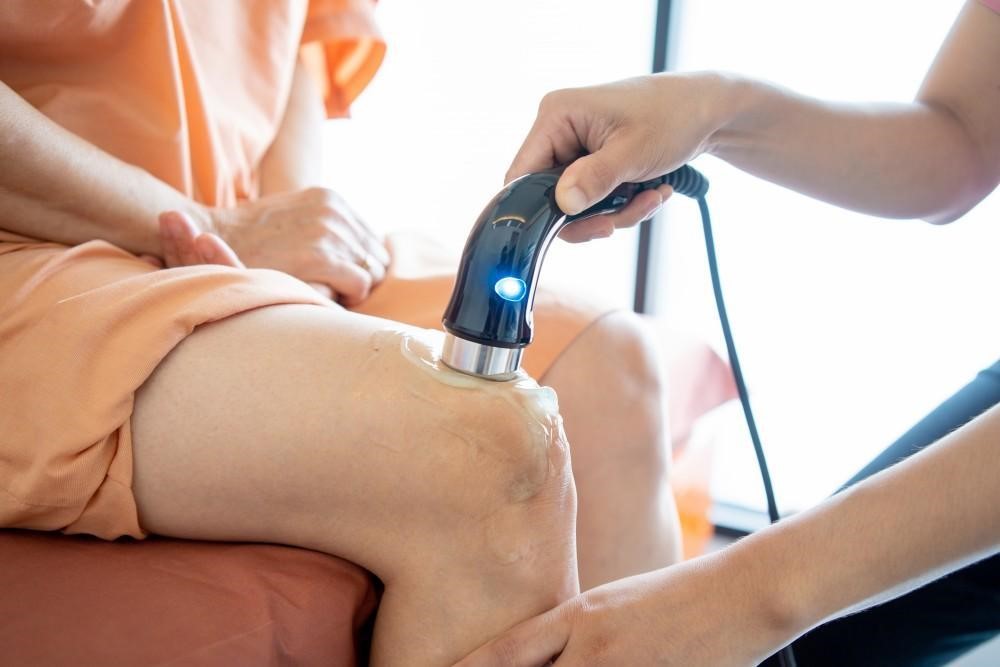
Laser therapy seems like something from a sci-fi film, but in reality, it is effective and commonly used in many branches of medicine nowadays. For patients experiencing ongoing pain, mobility issues due to an injury, or people who wish to enhance the quality of their skin without surgery or medication, laser therapy is a beneficial option. How amazing is that?
Here are the most common benefits related to this procedure:
Pain Relief Without Meds
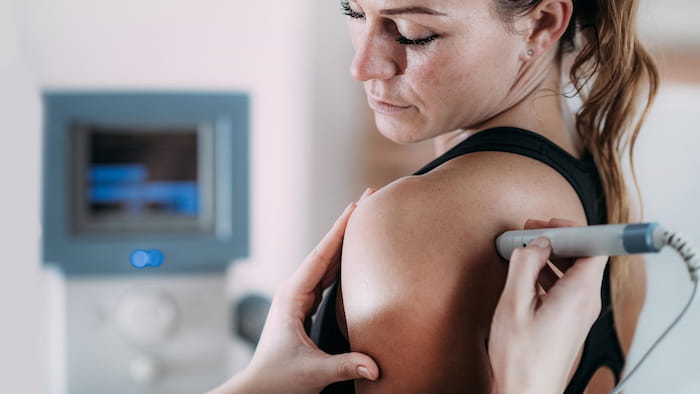
Laser therapy is one of the treatment approaches that can effectively alleviate pain without the use of drugs. This can be a lifesaver for those patient who live with constant pain due to arthritis, lower back pains or injuries. It is effective in the management of pain because it helps to diminish the seriousness of the inflammation, and increase the supply of blood in the affected area.
This drug-free approach is particularly helpful for those who are opposed to taking pain medication or are at risk of developing dependency. Laser therapy is especially helpful since it allows you to control your pain and by-pass the need for medication. Pretty cool, right?
Sped Up Healing and Tissue Repair
In case you are injured, your body automatically starts the healing process and this can sometimes be very slow and discouraging. Laser therapy can help increase the number of cells in the affected tissues and can help the tissues heal faster. The laser light goes through the skin layer to muscles, tendons and bones where it increases ATP – adenosine triphosphate which is a source of energy in the cells.
This increase in cellular energy means that the body can heal itself much faster. This is applicable to injuries such as sprains, strains, and even post-surgical wounds. It is beneficial for anyone who needs to get back into shape as soon as possible or any person just willing to get well. Check out this link for more https://www.medicaldesignandoutsourcing.com/laser-therapy-hits-a-home-run-in-professional-baseball/.
Reduced Inflammation and Swelling
Inflammation is one of the body’s usual reactions to injury or sickness, but it can be painful and last longer than needed. Laser is also used to reduce inflammation since it helps in increasing blood flow together with promoting lymphatic drainage in the area that receives the therapy. It not only reduces swelling but also eliminates toxins and waste products that cause inflammatory response in the body.
Laser therapy is a safe and effective way of treating arthritis, tendinitis, and other conditions related to chronic inflammation and pain.
Improved Circulation
Circulation is an essential component of the healing process since maintains the flow of oxygen and nutrients to the parts or tissues that require them. Laser therapy increases the blood circulation by expanding the blood vessels and thus increasing the supply of blood to the treated area. This enhanced circulation not only aids in the faster healing process but also keeps the tissues healthy and fine.
Enhanced blood flow can help a variety of ailments, including chronic ulcers, diabetic ulcers and sore muscles and vascular diseases. This procedure improves the circulation and oxygenation of blood and helps your body heal faster than letting the fresh air in.
Non-Invasive and Painless
The beauty of laser therapy is that it is non-invasive and doesn’t cause the patient any discomfort as opposed to most operations that require patients to be cut open and heal longer. The treatment involves using a handheld device that has light capability and is used to place the light over the affected area.
Moreover, during this procedure, most patients say it feels like a mild heat touching their skin and after the session no further treatment is needed. You are able to go back to your normal routine soon.
Minimal Side Effects
Unlike many medical treatments that come with a long list of potential side effects, laser therapy has minimal to no side effects. Since it’s a non-invasive procedure, there’s no risk of infection or complications that are often associated with surgeries. Some people may experience mild redness or warmth in the treated area, but these effects are usually temporary and resolve quickly.
This safety profile makes this procedure an excellent option for individuals of all ages, including those with pre-existing health conditions who may not be candidates for more aggressive treatments. Find out more interesting info on this page.
Complementary to Other Treatments
Laser therapy doesn’t have to be a stand-alone treatment. It can be used in conjunction with other therapies, such as physical therapy, chiropractic care, or medication. For example, if you’re undergoing physical therapy for an injury, adding laser therapy to your regimen can enhance your results and speed up recovery.
Because it works on a cellular level, it can complement other treatments by addressing underlying issues like inflammation and poor circulation, making your overall treatment plan more effective.
Did you find this helpful? Check out our other helpful articles on our website.
Read Also
- Where to Find Reliable Mental Health Support for Teens
 Have you noticed changes in your teen’s mood, sleep, or behavior that leave you worried? Growing up can bring stress from school, friends, family, and new demands. Some teens may struggle to share their feelings or ask for help, even when they need support. Finding the right mental health support for teens can help them… Read more: Where to Find Reliable Mental Health Support for Teens
 - Top Trends Shaping the Future of Mental Health CareMental health care is moving fast to meet daily human needs. People want direct care that fits modern life. Clinics respond by creating flexible options that make healing easier to reach. Providers look past rigid habits to give people solid care. From smart tools to body wellness, these changes help people find relief when life… Read more: Top Trends Shaping the Future of Mental Health Care
- Full-Arch Dental Tourism: Why UK Patients With Severe Bone Loss Are Looking AbroadDental implants have become one of the fastest-growing segments of private dentistry. Within that market, one patient group behaves very differently from the rest: people who have been told they do not have enough upper jawbone for conventional implants. For these patients, the choice is rarely between one clinic and another. It is between a… Read more: Full-Arch Dental Tourism: Why UK Patients With Severe Bone Loss Are Looking Abroad
- Levels of Mental Health Care and When to Seek SupportMental health care can range from occasional outpatient appointments to 24-hour hospital treatment. The appropriate level depends on safety, symptom severity, daily functioning, medical needs, available support, treatment history and personal preferences. A licensed clinician should assess these factors rather than relying on a symptom list alone. Need help now? In the United States, call… Read more: Levels of Mental Health Care and When to Seek Support
- How to Choose a Shilajit Brand Based on the ResearchIn a randomized trial published in the Journal of the International Society of Sports Nutrition in 2019, 63 active men took 250 mg of standardized shilajit, 500 mg, or a placebo every day for eight weeks, and the benefit for strength retention after a fatiguing workout appeared only at 500 mg. For anyone choosing a… Read more: How to Choose a Shilajit Brand Based on the Research
- How to Incorporate Relaxation into Your Busy ScheduleFinding balance when you have a packed daily agenda often feels out of reach. Between work duties, family obligations, and personal projects, personal rest usually gets pushed to the bottom of the list. Small, intentional shifts in daily habits can help restore calm without requiring hours of extra free time. Continue reading to discover everything… Read more: How to Incorporate Relaxation into Your Busy Schedule
- Red Light Therapy for Skin and Wellness: Meet Vital Red Light TherapyModern wellness is not always about complicated treatments or long routines. Many people are now looking for simple, convenient ways to support their skin, recovery, and overall wellness at home. One technology getting more attention is red light therapy. Red light therapy uses specific wavelengths of red and near-infrared light to support the body’s natural… Read more: Red Light Therapy for Skin and Wellness: Meet Vital Red Light Therapy
- Managing Shock Loss After a Hair Transplant: The Financial and Clinical Imperative of Post-Op CareIn the rapidly evolving landscape of private healthcare, executive leadership within cosmetic and restorative surgery clinics faces a dual challenge: maintaining strict clinical standards while maximizing patient lifetime value (LTV) and brand advocacy. As the global medical tourism and elective procedure markets expand, clinical outcome quality alone is no longer the sole differentiator for premium… Read more: Managing Shock Loss After a Hair Transplant: The Financial and Clinical Imperative of Post-Op Care