Dental implants have transformed the landscape of modern dentistry, offering a permanent solution for missing teeth that closely mimics natural dental structures. This innovative approach to tooth replacement has given millions of people renewed confidence in their smiles and improved oral health. Let’s explore the world of dental implants, their benefits, and what you can expect from the procedure.
Understanding Dental Implants
Dental implants are artificial tooth roots that provide a strong foundation for fixed or removable replacement teeth. They are designed to blend seamlessly with your natural teeth, offering a long-lasting solution to tooth loss.
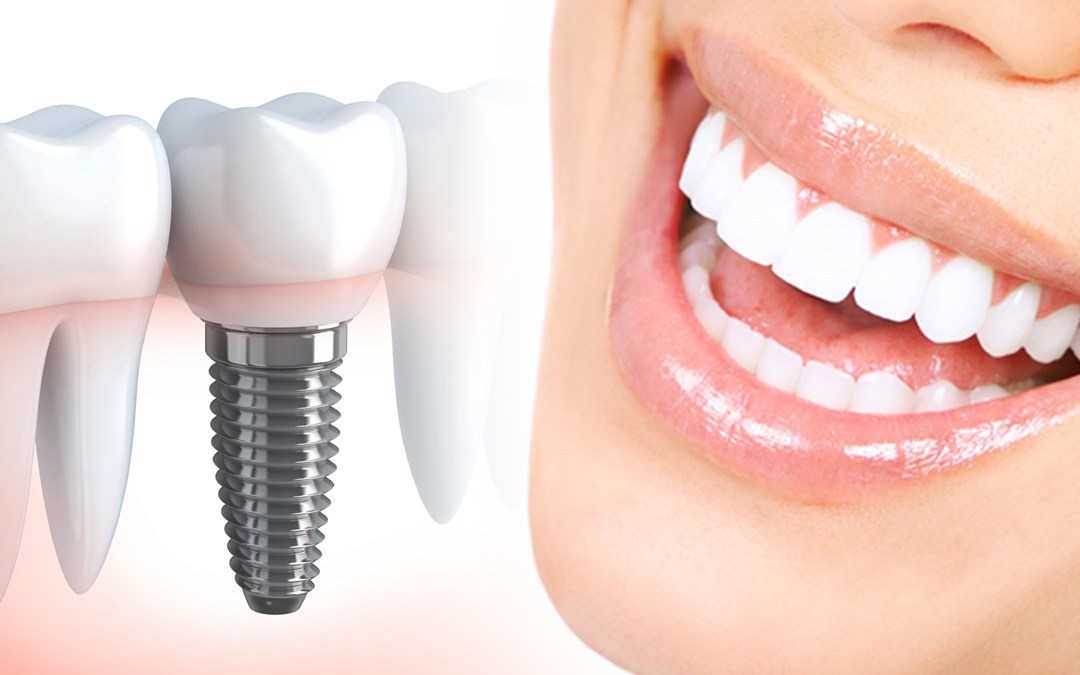
The Anatomy of a Dental Implant
A typical dental implant consists of three main components:
1- The implant: A titanium post that is surgically placed into the jawbone
2- The abutment: A connector that supports and holds the replacement tooth
3- The crown: The visible part of the tooth that is custom-made to match your natural teeth
Benefits of Choosing Dental Implants
Dental implants offer numerous advantages over traditional tooth replacement options:
– Improved appearance and self-esteem
– Enhanced comfort and speech
– Easier eating and improved nutrition
– Durability and longevity
– Preservation of jawbone structure
– Protection of surrounding teeth
The Dental Implant Process
The journey to a new smile with dental implants typically involves several steps:
Initial Consultation and Planning
Your dentist will conduct a thorough examination, which may include X-rays and 3D images. They will review your medical history and develop a tailored treatment plan.
Implant Placement
The dental implant is surgically placed into the jawbone. This procedure is often performed under local anesthesia and is generally well-tolerated by patients.
Healing and Osseointegration
After placement, the implant needs time to integrate with the bone, a process called osseointegration. This typically takes several months.
Abutment Placement
Once the implant has fused with the bone, the abutment is attached. In some cases, this may be done simultaneously with the implant placement.
Crown Placement
Finally, your custom-made crown is attached to the abutment, completing your new tooth.
Candidacy for Dental Implants
While many people are suitable candidates for dental implants, certain factors can affect eligibility:
– Adequate bone density
– Healthy gums
– Good overall health
– Non-smoker status (or willingness to quit)
– Commitment to oral hygiene
During your consultation, your dentist will assess these factors to determine if dental implants are right for you.
Caring for Your Dental Implants
Proper care is essential for the longevity of your dental implants. Here are some tips:
– Brush twice daily with a soft-bristled toothbrush
– Floss daily, paying special attention to the area around the implant
– Use an antimicrobial mouthwash
– Avoid hard or sticky foods that could damage the implant
– Regular dental check-ups and professional cleanings
The Cost of Dental Implants
The cost of dental implants can vary widely depending on factors such as:
– Number of implants needed
– Type of implant and materials used
– Additional procedures (e.g., bone grafting)
– Geographic location
– Dentist’s expertise
While dental implants may seem costly initially, their durability and long-term benefits often make them a cost-effective solution compared to other tooth replacement options.
Innovations in Dental Implant Technology
The field of dental implants continues to evolve, with new technologies improving outcomes and patient experiences:
– Computer-guided implant placement
– 3D printing for precise implant components
– Immediate load implants
– Zirconia implants for metal-free options
These advancements are making dental implants more accessible and efficient than ever before.
Addressing Common Concerns
Many people have questions about dental implants. Here are some common concerns:
Pain and Discomfort
Most patients report that the discomfort associated with dental implant surgery is less than expected and easily managed with over-the-counter pain medications.
Success Rates
Dental implants have a high success rate, typically over 95% when performed by experienced professionals.
Insurance Coverage
While coverage varies, some dental insurance plans are beginning to offer partial coverage for implants. It’s worth checking with your provider.
Finding the Right Dental Implant Provider
Choosing the right provider is crucial for the success of your dental implant procedure. Look for:
– Extensive experience in implant dentistry
– Positive patient reviews and testimonials
– Advanced technology and techniques
– Clear communication and patient education
For those seeking dental implants St George Utah offers highly skilled professionals who can guide you through the process with expertise and care.
Embracing Your New Smile
Dental implants offer a chance to reclaim your smile and oral health. Proper care and maintenance can last a lifetime, providing you with the confidence and functionality you deserve.
Remember, each individual’s journey to a restored smile is unique. Consult a qualified dental professional to determine if dental implants are the right choice for you and develop a personalized treatment plan that meets your specific needs and goals.
Did you find this helpful? Check out our other helpful articles on our website.
Read Also
- Full-Arch Dental Tourism: Why UK Patients With Severe Bone Loss Are Looking Abroad
 Dental implants have become one of the fastest-growing segments of private dentistry. Within that market, one patient group behaves very differently from the rest: people who have been told they do not have enough upper jawbone for conventional implants. For these patients, the choice is rarely between one clinic and another. It is between a… Read more: Full-Arch Dental Tourism: Why UK Patients With Severe Bone Loss Are Looking Abroad
 - Levels of Mental Health Care and When to Seek SupportMental health care can range from occasional outpatient appointments to 24-hour hospital treatment. The appropriate level depends on safety, symptom severity, daily functioning, medical needs, available support, treatment history and personal preferences. A licensed clinician should assess these factors rather than relying on a symptom list alone. Need help now? In the United States, call… Read more: Levels of Mental Health Care and When to Seek Support
- How to Choose a Shilajit Brand Based on the ResearchIn a randomized trial published in the Journal of the International Society of Sports Nutrition in 2019, 63 active men took 250 mg of standardized shilajit, 500 mg, or a placebo every day for eight weeks, and the benefit for strength retention after a fatiguing workout appeared only at 500 mg. For anyone choosing a… Read more: How to Choose a Shilajit Brand Based on the Research
- How to Incorporate Relaxation into Your Busy ScheduleFinding balance when you have a packed daily agenda often feels out of reach. Between work duties, family obligations, and personal projects, personal rest usually gets pushed to the bottom of the list. Small, intentional shifts in daily habits can help restore calm without requiring hours of extra free time. Continue reading to discover everything… Read more: How to Incorporate Relaxation into Your Busy Schedule
- Red Light Therapy for Skin and Wellness: Meet Vital Red Light TherapyModern wellness is not always about complicated treatments or long routines. Many people are now looking for simple, convenient ways to support their skin, recovery, and overall wellness at home. One technology getting more attention is red light therapy. Red light therapy uses specific wavelengths of red and near-infrared light to support the body’s natural… Read more: Red Light Therapy for Skin and Wellness: Meet Vital Red Light Therapy
- Managing Shock Loss After a Hair Transplant: The Financial and Clinical Imperative of Post-Op CareIn the rapidly evolving landscape of private healthcare, executive leadership within cosmetic and restorative surgery clinics faces a dual challenge: maintaining strict clinical standards while maximizing patient lifetime value (LTV) and brand advocacy. As the global medical tourism and elective procedure markets expand, clinical outcome quality alone is no longer the sole differentiator for premium… Read more: Managing Shock Loss After a Hair Transplant: The Financial and Clinical Imperative of Post-Op Care
- Transform Your Skin Health: Premier Gluta IV Therapy in DubaiThis comprehensive guide explores how modern intravenous wellness treatments can help revitalize your complexion, boost immune function, and support overall cellular health. By incorporating modern IV therapy Dubai services into a routine health regimen, individuals can achieve direct nutrient absorption for optimal results. Selecting a customized gluta IV drip Dubai treatment provides targeted antioxidant defense,… Read more: Transform Your Skin Health: Premier Gluta IV Therapy in Dubai
- The Evolution of Dental Prosthetics: Innovation in Oral HealthDental replacements have improved a lot over time. Smiling, chewing, and speaking depend on having healthy teeth. When teeth break or go missing, today’s options can restore both function and confidence. Modern techniques make these replacements feel and look completely natural. Ancient Roots Of Tooth Replacement People have tried to replace lost teeth for thousands… Read more: The Evolution of Dental Prosthetics: Innovation in Oral Health